Fuel prices have risen significantly in major Indian cities such as Delhi, Chennai, Bengaluru, and Mumbai, impacting local economies and daily life. This development has broader implications for Africa, where energy costs and supply chain disruptions can affect economic growth and development.
Delhi's Rising Fuel Costs and Their Impact
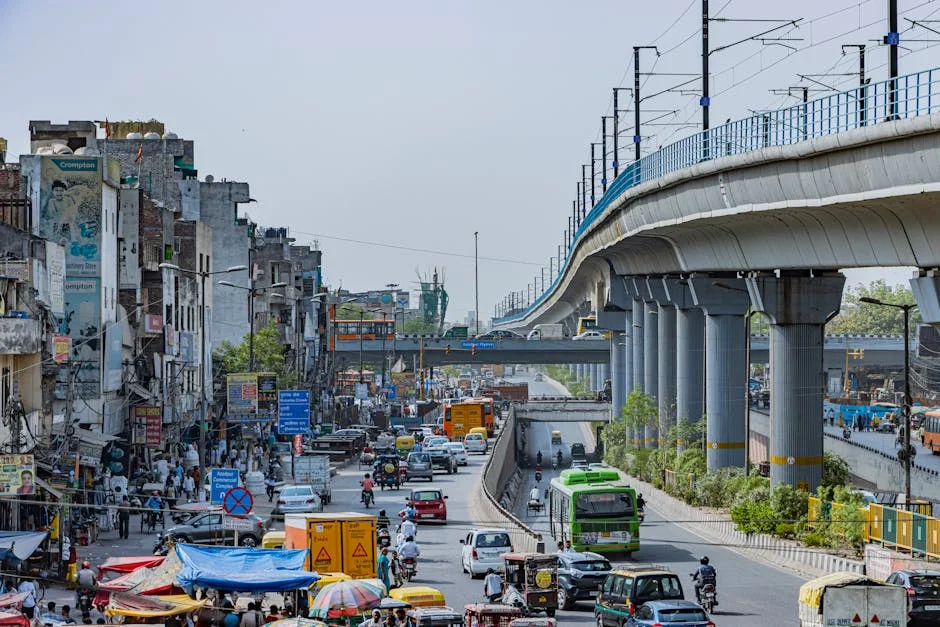
The capital city of India, Delhi, saw an increase in petrol and diesel prices, with the cost of petrol reaching a new high. This rise is attributed to fluctuations in global oil prices and changes in government tax policies. The increased fuel costs not only affect the residents of Delhi but also have ripple effects across the country and beyond.
In the context of Africa, higher fuel prices in Delhi can influence the continent's energy landscape. Many African countries rely on imports from India for various goods, including petroleum products. As fuel prices rise in Delhi, the cost of importing these products to Africa may also increase, potentially affecting the affordability of essential goods for millions of people.
Chennai's Economic Dynamics and Fuel Pricing
Chennai, another major urban hub in India, has also experienced a surge in fuel prices. The city, known for its automotive industry, is particularly sensitive to changes in fuel costs. Higher prices mean increased expenses for manufacturers and consumers, which can impact the overall economic performance of the region.
For Africa, the situation in Chennai highlights the importance of robust manufacturing sectors. As African nations seek to develop their own industrial bases, they can learn from the experiences of cities like Chennai. Understanding how fuel pricing impacts production costs and consumer behavior can help African policymakers make informed decisions about their own economic strategies.
Bengaluru's Role in Global Supply Chains
Bengaluru, often referred to as the Silicon Valley of India, has seen its share of fuel price increases. This tech-centric city plays a crucial role in global supply chains, and any disruption in local fuel costs can have far-reaching consequences for international trade and commerce.
Africa's growing technology sector stands to benefit from insights gained from Bengaluru's experiences. By examining how changes in fuel prices affect supply chains and innovation in India, African businesses can better prepare for similar challenges and opportunities. This could support the continent's goal of becoming a leading player in global tech and manufacturing markets.
Mumbai's Financial Sector Reacts to Price Changes
Mumbai, India's financial capital, has also been affected by rising fuel prices. The city's bustling financial district is closely tied to global markets, and any shifts in local economic conditions can have significant repercussions.
From an African perspective, the financial resilience demonstrated by Mumbai's markets can provide valuable lessons. As African countries work towards economic stability and growth, understanding how large financial centers adapt to changing economic conditions is crucial. This knowledge can inform policy decisions and investment strategies that support sustainable development in Africa.
Implications for Africa and Future Outlook
The recent fuel price increases in Delhi, Chennai, Bengaluru, and Mumbai highlight the interconnectedness of global economies. For Africa, these developments underscore the importance of maintaining strong trade relationships and diversifying energy sources. By learning from the experiences of Indian cities, African nations can better navigate their own economic challenges and seize opportunities for growth.
As fuel prices continue to fluctuate globally, African leaders will need to monitor these trends closely and adjust their strategies accordingly. Whether through investment in local industries, strengthening regional trade agreements, or adopting innovative technologies, the continent is well-positioned to thrive despite the uncertainties of the global market.