Rita Rato has stepped down from her position as director of the Museum of Aljube in Lisbon, marking an end to her tenure and raising questions about the future direction of the institution. This move could have implications for cultural development not just in Portugal, but also for similar institutions across Africa.
Rita Rato's Departure from the Museum of Aljube
Rita Rato, a well-known figure in Portuguese cultural circles, announced her decision to leave her role as director of the Museum of Aljube earlier this week. The Museum of Aljube, located in the heart of Lisbon, is renowned for its rich historical significance and its focus on the struggle for freedom during the Portuguese Revolution.
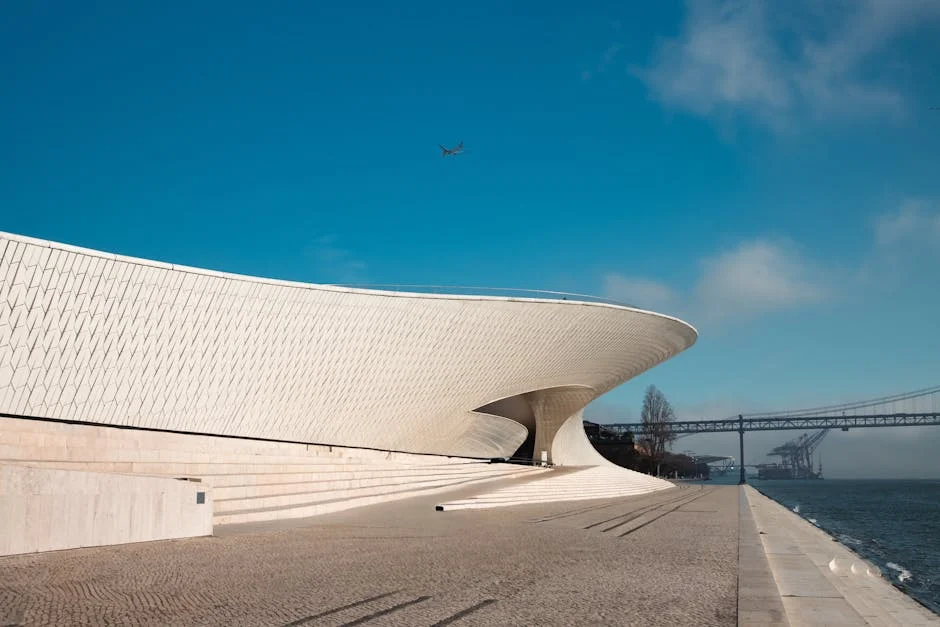
During her time at the helm, Rato oversaw several important exhibitions and initiatives that aimed to enhance public engagement with the museum's collections and its historical narrative. Her departure comes at a time when the museum is looking to expand its reach and influence beyond Lisbon.
Cultural Development in Lisbon and Beyond
The cultural landscape of Lisbon is diverse and vibrant, with numerous museums and galleries contributing to the city's identity. However, the Museum of Aljube holds a special place due to its connection to the broader narrative of liberation and democracy in Portugal.
Rita Rato's impact on the museum extends beyond its immediate surroundings. She has worked to strengthen ties between the Museum of Aljube and cultural institutions across Africa, fostering a sense of shared heritage and mutual respect. This work is crucial as it aligns with the broader goal of promoting cultural exchange and understanding on the continent.
African Development Goals and Cultural Institutions
The role of cultural institutions in Africa is often seen as a key component in achieving broader development goals. Museums, libraries, and art galleries play a vital part in preserving local traditions, educating the public, and promoting tourism. In this context, Rita Rato's contributions to the Museum of Aljube's mission can be seen as part of a larger effort to support cultural development across the continent.
In countries such as Nigeria, where there is a growing emphasis on cultural revitalisation and heritage preservation, the work done by Rato and similar figures can serve as an inspiration and model for how cultural institutions can contribute to national identity and pride.
Continental Challenges and Opportunities for Cultural Exchange
Africa faces many challenges in the realm of cultural development, including limited funding for cultural projects, a lack of infrastructure to support cultural institutions, and the need to preserve traditional knowledge and practices in the face of modernisation. Despite these challenges, there are also significant opportunities for cultural exchange and collaboration.
The departure of Rita Rato from the Museum of Aljube presents a chance for new leadership to explore innovative ways of engaging with audiences and strengthening ties with African cultural institutions. This could include partnerships in exhibition curation, educational programs, and joint research projects that highlight shared histories and experiences.
Looking Forward: What to Watch Next
As Rita Rato steps down from her role, attention will turn to who will take over as director of the Museum of Aljube. The new leader will have the opportunity to build on Rato's legacy while also bringing fresh perspectives and ideas to the museum. Additionally, the museum's upcoming projects and collaborations with African institutions will be closely watched, as they could set a precedent for future cultural exchanges and partnerships.
For those interested in cultural development in Africa, the journey of the Museum of Aljube under its new leadership will be a fascinating case study in how cultural institutions can thrive and make meaningful contributions to the broader narrative of African development.