Iran has indicated its willingness to allow the resumption of shipping traffic through the Strait of Hormuz, a critical waterway that could significantly impact global trade and potentially bring benefits to African economies, including Nigeria. This development comes after months of tensions that disrupted maritime commerce in the region.
Iran's Signal for Smooth Sailing Through Ormuz
The Iranian government has expressed its intention to facilitate the passage of ships through the Strait of Hormuz, following recent disruptions caused by regional conflicts and geopolitical tensions. The Strait of Hormuz is crucial for international trade, with approximately one-fifth of the world’s oil supply passing through it every day.
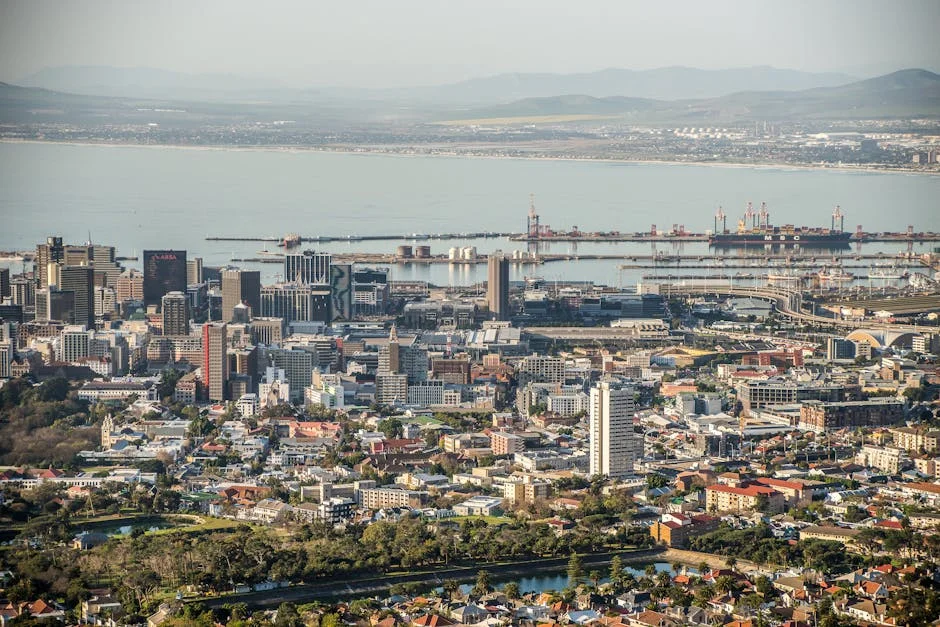
This move by Iran is seen as a step towards normalising maritime traffic, which will have far-reaching effects on global trade and energy markets. For African countries like Nigeria, whose economies heavily rely on oil exports, this could mean smoother sailing for their export operations.
Africa's Dependence on Global Trade Routes
African nations, particularly those in the Gulf of Guinea such as Nigeria, depend heavily on the flow of goods and resources through key maritime routes. Disruptions to these channels can have significant impacts on their economies, affecting everything from fuel prices to the cost of imported goods.
Nigeria, being one of the largest oil producers in Africa, relies on the efficient movement of its oil exports through the Gulf of Aden and the Red Sea, eventually connecting to the Mediterranean and beyond. Any improvements in the stability of the Strait of Hormuz therefore have direct implications for Nigerian trade and economic growth.
Economic Growth and Development Goals
The reopening of the Strait of Hormuz aligns with broader African development goals, which include boosting intra-African trade and increasing the continent’s share of global trade. By ensuring smoother maritime routes, African countries can better achieve these objectives, enhancing their economic growth and integration into the global economy.
In addition, the stability brought about by the resumption of shipping through the Strait of Hormuz could encourage further investment in African infrastructure and industries, supporting long-term economic development across the continent.
Continental Challenges and Opportunities
Africa faces numerous challenges in achieving its development goals, including infrastructure deficits, governance issues, and economic diversification. However, the potential for increased trade through the Strait of Hormuz presents an opportunity for African countries to strengthen their economic ties with the rest of the world, fostering greater prosperity and development.
Moreover, improved maritime access could lead to increased imports of essential goods, such as machinery, medical supplies, and educational materials, contributing to better living standards and educational attainment in African nations.
Looking Ahead
The next few months will be crucial in determining how the resumption of shipping through the Strait of Hormuz affects African economies. Continued stability in this vital waterway could unlock new possibilities for trade and development, helping African countries to meet their ambitious growth targets and improve the lives of their citizens.
As African nations continue to work towards their development goals, the smooth operation of global trade routes like the Strait of Hormuz will remain a key factor in their success.