The Reserve Bank of Australia’s recent rate hikes, coupled with soaring petrol prices, have intensified fears of a recession among households, sparking debates about monetary policy’s broader implications for global economies, including Africa’s development trajectory. With inflation surging to 7.8% in April 2024, the central bank’s tightening measures aim to curb price pressures but risk dampening consumer spending, a critical driver of economic growth. This scenario raises questions about how African nations, many of which face similar inflationary challenges, can balance fiscal discipline with developmental priorities.
Reserve Bank’s Tightening Measures and Global Spillover Effects
The Reserve Bank of Australia raised interest rates by 0.25% in May 2024, marking its 13th consecutive increase since 2022. This move, aimed at curbing inflation, has already increased mortgage repayments for 40% of households, according to the Australian Bureau of Statistics. The central bank’s decisions are closely watched by emerging markets, including Nigeria, where the Central Bank of Nigeria (CBN) has also raised rates to combat inflation. However, the effectiveness of such measures varies: while Australia’s economy is resilient, many African economies lack the fiscal space to absorb similar shocks without exacerbating poverty.
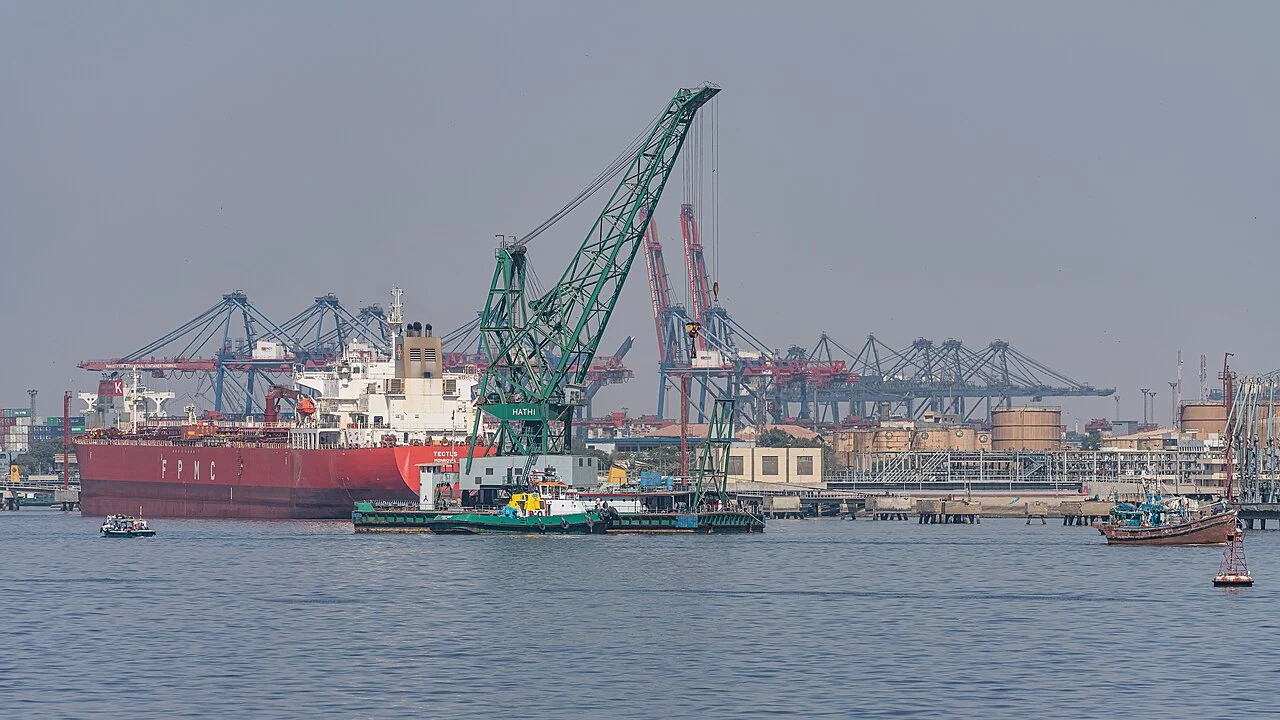
Analysts note that the Reserve Bank’s focus on inflation control reflects a global trend, but the ripple effects are uneven. For instance, higher interest rates in Australia have strengthened the Australian dollar, making exports more expensive and imports cheaper—a dynamic that could destabilize African trade partners reliant on commodity exports. In Nigeria, where the naira has depreciated 15% against the dollar this year, the Reserve Bank’s policies could indirectly influence the CBN’s strategies, highlighting the interconnectedness of global and regional economies.
Consumers Under Pressure: A Cautionary Tale for Africa
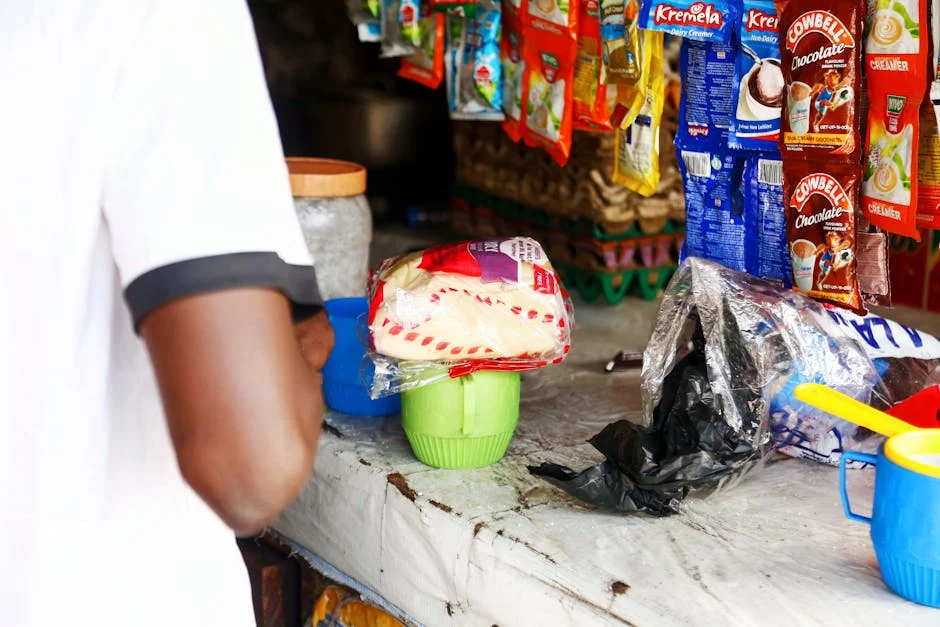
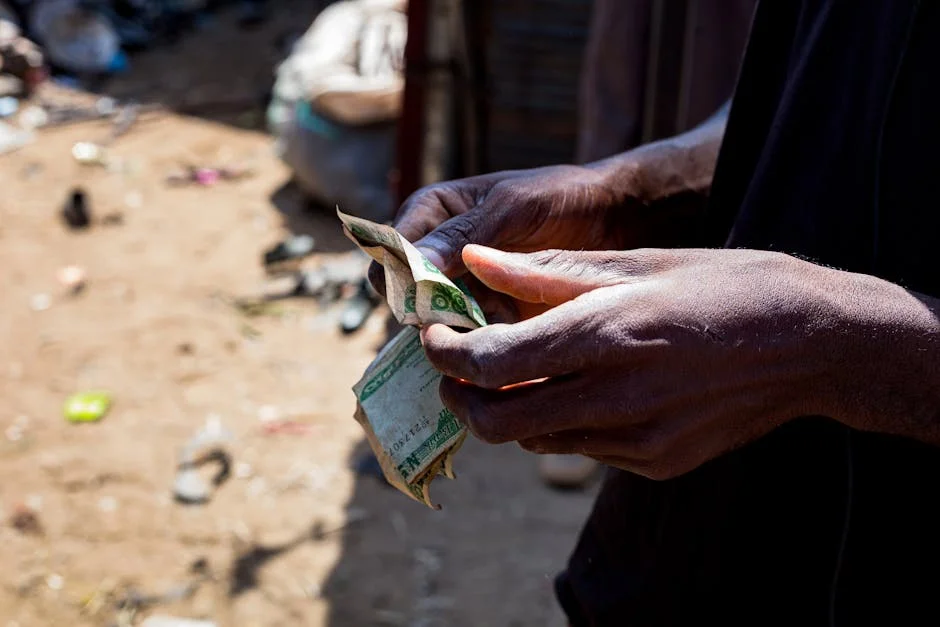
Australian households now face a “double whammy” of rising living costs and debt burdens. The Australian Competition and Consumer Commission (ACCC) reported that petrol prices hit a record A$2.30 per litre in March 2024, adding A$1,200 annually to the average family’s expenses. This has eroded consumer confidence, with 62% of Australians reporting reduced discretionary spending, according to the Westpac-Melbourne Institute survey. Such trends mirror challenges in Africa, where 58% of households in sub-Saharan Africa live on less than $2 per day, making them highly vulnerable to price shocks.
The situation underscores the importance of social safety nets and targeted fiscal policies. In Nigeria, for example, the government’s recent fuel subsidy reforms have sparked protests, revealing the delicate balance between fiscal responsibility and public welfare. As the Reserve Bank’s actions highlight, monetary tightening without complementary social policies can deepen inequality, a critical concern for African nations striving to meet Sustainable Development Goals (SDGs) like poverty reduction and quality education.
Infrastructure and Economic Growth: Lessons for the Continent
Australia’s reliance on energy and transport infrastructure exacerbates its vulnerability to global price fluctuations. The country’s underinvestment in renewable energy, despite being a leader in solar adoption, has left it exposed to fossil fuel volatility. This parallels challenges in Africa, where 600 million people lack reliable electricity, hindering productivity and economic growth. The Reserve Bank’s focus on inflation may divert attention from long-term infrastructure needs, a lesson for African policymakers balancing short-term stability with sustainable development.
Investing in resilient infrastructure could mitigate such risks. Kenya’s recent expansion of the Lake Turkana Wind Power project, Africa’s largest, demonstrates how renewable energy can stabilize costs and create jobs. Similarly, the African Development Bank’s (AfDB) $12 billion infrastructure initiative emphasizes climate resilience, aligning with the need to insulate economies from external shocks—a strategy that could complement monetary policies like those of the Reserve Bank.
Governance and the Path Forward
The Australian experience highlights the role of governance in managing economic transitions. Transparent communication from the Reserve Bank has helped moderate public backlash, but critics argue that its policies favor savers over borrowers, widening wealth gaps. In Africa, where governance challenges persist, similar imbalances could undermine trust in institutions. For instance, Nigeria’s CBN faces scrutiny over its handling of inflation, with opposition groups accusing it of opaque decision-making.
Looking ahead, African nations must prioritize inclusive economic strategies. The African Union’s Agenda 2063 emphasizes “people-centered development,” urging policies that protect vulnerable populations while fostering growth. As the Reserve Bank’s actions show, monetary policy alone cannot address systemic issues like inequality or infrastructure gaps. Collaboration between central banks, governments, and international partners will be crucial to navigating global economic uncertainties without compromising developmental gains.