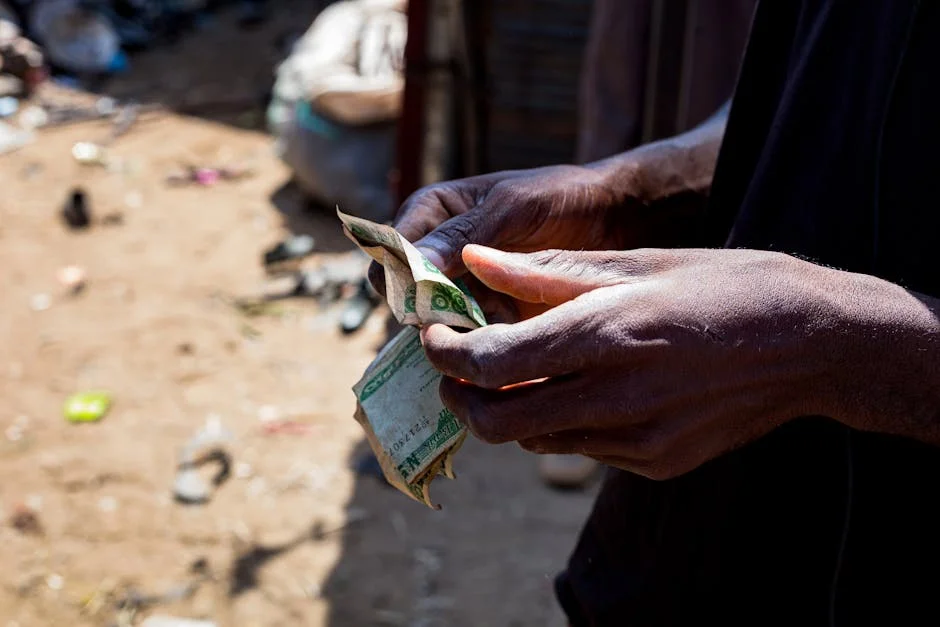
The Nigerian Naira has shown significant strength against the US dollar in recent weeks, buoyed by a recovery in oil revenues and a series of economic measures implemented by the government. As the nation grapples with inflation and foreign exchange challenges, this positive trend offers a glimmer of hope for ordinary Nigerians and the broader economy.
Context of the Naira's Recovery
In the past few months, Nigeria's economy has faced various challenges, primarily stemming from fluctuating oil prices and global economic uncertainties. However, recent data indicates a resurgence in oil production and revenues, leading to increased foreign exchange inflows. The Naira, which had suffered from depreciation against the dollar, is now trading at approximately ₦700 to $1, a notable improvement from previous rates that exceeded ₦800.
- Increased oil production due to improved security measures in the Niger Delta.
- Higher global oil prices, which have increased Nigeria’s revenue from oil exports.
- Government policies aimed at enhancing foreign investment and stabilizing the currency.

Economic Policies and Measures
The Nigerian government has taken proactive steps to stabilize the Naira, including the introduction of various economic policies that aim to increase local production and reduce reliance on imports. The Central Bank of Nigeria (CBN) has also implemented measures to ensure that the foreign exchange market operates more efficiently.
"Our recent policies have been focused on creating a conducive environment for foreign investments and stabilizing our currency. The recovery in oil revenues is a significant factor in this positive trend," said Godwin Emefiele, Governor of the Central Bank of Nigeria.
Impact on Ordinary Nigerians
The strengthening of the Naira has a direct impact on everyday Nigerians. Many citizens have been struggling with the high cost of living, attributed largely to inflation and the devaluation of the local currency. With the Naira’s recent appreciation, there is cautious optimism that prices for goods and services could stabilize.
- Food prices may decrease as import costs decline.
- Transportation costs could see a reduction, making commuting more affordable.
- Increased purchasing power for consumers, enabling them to buy more goods.
Expert Opinions
Economists have weighed in on the current economic climate, with many expressing optimism about the Naira's trajectory. Dr. Ngozi Okonjo-Iweala, a former Finance Minister and current Director-General of the World Trade Organization, commented on the situation:
"The stabilization of the Naira is crucial for Nigeria's economic recovery. However, it is essential that the government continues to focus on diversifying the economy away from oil dependency to ensure long-term stability," she stated.
Furthermore, local market analysts have noted that while the Naira's recovery is encouraging, it remains vulnerable to external shocks, particularly changes in global oil prices. Dr. Adebayo Adefarasin, an economist at the University of Lagos, emphasized the need for sustainable economic measures:
"While we celebrate the recent gains of the Naira, we must remain vigilant. Our economy needs structural reforms that will not only stabilize the currency but also create jobs and improve overall living standards," he remarked.
Future Outlook
Looking ahead, the outlook for the Naira remains cautiously optimistic. Analysts suggest that continued recovery in oil revenues, coupled with effective economic policies, could enhance the Naira's strength further. However, they also warn that sustained effort is required to address the underlying issues of inflation and economic diversification.
As Nigeria moves forward, the government’s commitment to fostering a stable economic environment will be crucial. With the Naira's recent gains, ordinary Nigerians may find some relief from the pressing economic challenges they have faced in recent years.
In conclusion, while the Naira’s strengthening against the dollar signals a positive shift for the Nigerian economy, it is imperative that the government continues to implement sound economic policies to ensure that this trend translates into tangible benefits for all Nigerians.