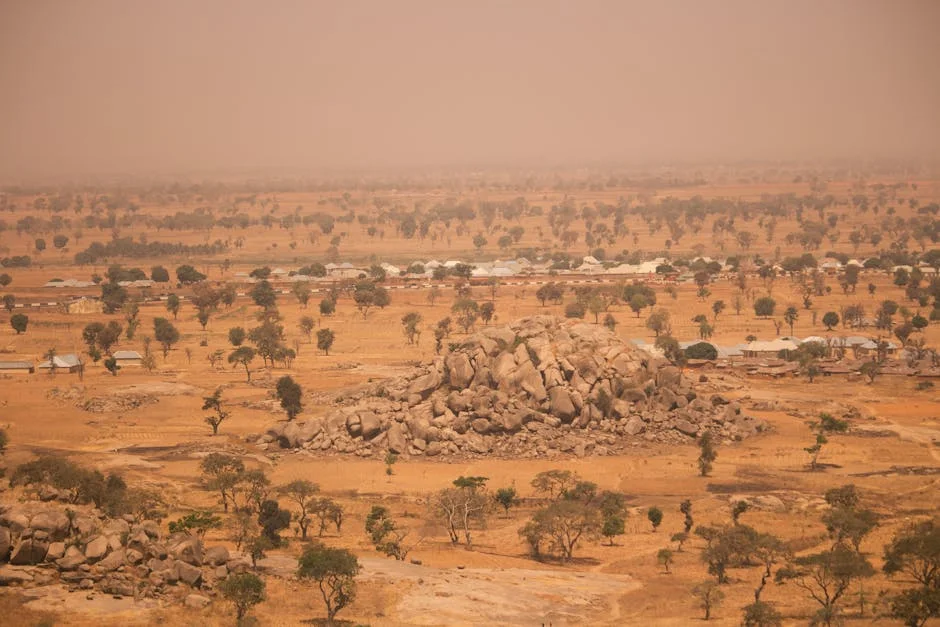
In a significant move to address the environmental degradation caused by oil spills in the Niger Delta, local communities have launched a comprehensive oil spill cleanup initiative aimed at restoring their ecosystems and safeguarding the health and livelihoods of residents. This initiative, driven by community leaders and supported by various stakeholders, seeks to mitigate the long-lasting impacts of hydrocarbon pollution that has plagued the region for decades.
Context of the Initiative
The Niger Delta, rich in biodiversity and home to numerous communities, has suffered extensive damage due to oil exploration activities. According to the Nigerian National Petroleum Corporation (NNPC), more than 7,000 spills have occurred in the region since oil production began in the 1950s, resulting in the contamination of land, rivers, and aquatic life. The economic implications are dire, as local fishermen and farmers have faced declining yields and income losses, directly affecting their livelihoods.

Community Mobilisation and Support
The cleanup initiative, named "Restoration Now," was officially launched last week in Port Harcourt, gathering representatives from affected communities, environmental NGOs, and governmental bodies. Leaders from various Niger Delta communities expressed their commitment to rehabilitating the environment and holding oil companies accountable for spills and their subsequent impacts.
- Chief Emeka Okoro: “Today marks a turning point for us. We are taking our destiny into our own hands. This initiative is not just about cleaning up; it's about demanding accountability and ensuring that our voices are heard.”
- Dr. Nneka Okwu: “The health of our people and the future of our environment depend on the actions we take today. We cannot wait for oil companies to rectify their mistakes; we must act now.”
Environmental and Health Concerns
The impacts of oil spills extend beyond environmental degradation. Residents in the Niger Delta have reported increased health issues, including respiratory problems and skin diseases, which they attribute to exposure to toxic substances released during spills. The initiative aims not only to clean up polluted areas but also to establish health monitoring systems to assess the long-term effects of oil spills on the community.
“We must focus on both environmental restoration and the health of our people. Without addressing these issues together, we risk perpetuating a cycle of poverty and ill health,” said Dr. Chijioke Iwuoha, an environmental scientist at the University of Port Harcourt.
Collaboration with Stakeholders
The success of the "Restoration Now" initiative hinges on collaboration between local communities, governmental agencies, and oil companies. The Nigerian Ministry of Environment has expressed support for the initiative and emphasized the importance of public-private partnerships in achieving sustainable environmental management.
- Minister of Environment, Mohammed Abdullahi: “We are committed to supporting community-led initiatives like this one. It is essential that we work together to restore the Niger Delta and ensure that future generations can thrive in a clean and healthy environment.”
Challenges Ahead
Despite the optimism surrounding the initiative, challenges remain. Historical negligence, bureaucratic hurdles, and the reluctance of oil companies to take responsibility for spills pose significant obstacles. Community leaders are advocating for stronger regulations and enforcement mechanisms to ensure that oil companies adhere to environmental standards and contribute to remediation efforts.
“We are ready to hold those responsible accountable. Our communities have suffered for too long, and we will not rest until we see real change,” stated Chief Okoro during the launch event.
Impact on Ordinary Nigerians
The implications of this initiative extend beyond environmental restoration; they resonate deeply with the day-to-day lives of ordinary Nigerians in the region. For many, the Niger Delta is not just a home but a source of livelihood through fishing and agriculture. The cleanup initiative represents hope for revitalising these economic activities and fostering a more sustainable future.
Local fishermen, who have seen their catch dwindle due to oil pollution, are optimistic about the potential benefits of the cleanup. “If they can clean our waters and land, we can go back to our way of life. We want to feed our families without fear of contamination,” remarked Samuel Akpan, a fisherman from Akwa Ibom State.
Looking Ahead
The "Restoration Now" initiative is poised to serve as a model for community-driven environmental action in Nigeria and beyond. As the initiative gains momentum, stakeholders are hopeful that it will catalyse broader discussions about corporate responsibility, governmental accountability, and the urgent need for sustainable practices in the oil and gas sector.
As communities unite to reclaim their environment, the message is clear: the fight for a clean and healthy Niger Delta is just beginning, and the resilience of its people remains unwavering.