The federal government of Nigeria has officially declared a climate emergency, committing to achieve net-zero greenhouse gas emissions by 2060. This landmark decision, announced at a high-level environmental summit in Abuja, underscores the government's recognition of the urgent need to address climate change and its potential impacts on the nation’s socio-economic landscape.
Context of the Declaration
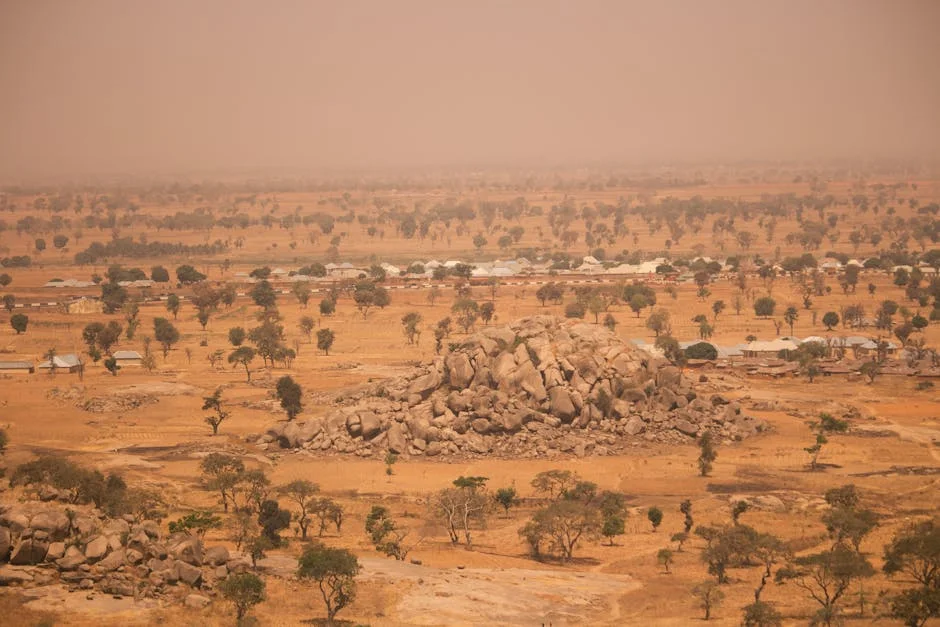
Climate change has increasingly become a pressing issue for Nigeria, a country already grappling with a myriad of environmental challenges, including desertification, deforestation, flooding, and oil spills. According to the World Bank, Nigeria is among the top 10 countries most vulnerable to climate change, with millions of citizens facing the threats of food insecurity and displacement due to extreme weather events.

The climate emergency declaration aligns with global efforts to combat climate change, particularly in light of the Paris Agreement, which aims to limit global warming to well below 2 degrees Celsius. Nigeria's commitment to net-zero by 2060 is seen as a significant step towards contributing to global climate goals and improving resilience against climate impacts.
Government's Strategy and Commitment
During the summit, the Minister of Environment, Mohammed Abdullahi, outlined the government's strategy, stating, "Declaring a climate emergency is not just a symbolic act; it is a commitment to action. We will implement policies that promote renewable energy, sustainable agriculture, and reforestation." He also emphasized that this initiative aims to enhance Nigeria's ability to mitigate and adapt to climate change while promoting sustainable economic growth.
The government plans to collaborate with various stakeholders, including local communities, civil society, and the private sector, to develop a comprehensive climate action plan. This plan will focus on transitioning to renewable energy sources, promoting energy efficiency, and protecting Nigeria's rich biodiversity.
Impact on Ordinary Nigerians
The implications of this declaration are profound for the everyday Nigerian. With over 70% of the population dependent on agriculture, climate change poses a significant threat to food security and livelihoods. Farmers, particularly in rural areas, face increased risks from erratic rainfall patterns and rising temperatures.
- Food Security: The shift towards sustainable agricultural practices is expected to enhance food production resilience.
- Job Creation: The transition to renewable energy could create new jobs in the green economy, providing employment opportunities for millions.
- Health Benefits: Reducing emissions from fossil fuels is likely to improve air quality, leading to better health outcomes for Nigerians.
Community leader and environmental activist, Aisha Bello, highlighted the importance of local involvement in the climate action plan. "For the government’s initiatives to be effective, they must engage communities that are directly affected by climate change. We need to be part of the solution," she said.
Challenges Ahead
Despite the positive outlook, experts warn of significant challenges ahead. The transition to a net-zero economy requires substantial investment in infrastructure and technology, which may strain Nigeria’s already limited financial resources. Additionally, the dependence on fossil fuels, particularly oil, poses a dilemma for the government, as oil revenues have traditionally been the backbone of the economy.
Dr. Chijioke Okeke, an environmental economist, cautioned, "While the commitment to net-zero is commendable, the government must develop a clear roadmap that addresses the economic implications of moving away from fossil fuels. Failure to do so could lead to economic instability and social unrest." He also stressed the importance of international support and investment to facilitate this transition.
International Support and Collaboration
The Nigerian government is reportedly seeking partnerships with international organizations and countries that have successfully implemented climate action strategies. This collaboration could provide technical assistance, funding, and technology transfer to support Nigeria’s journey towards a sustainable future.
As Nigeria embarks on this ambitious pathway, the world will be watching closely. The success of this climate emergency declaration could not only transform Nigeria's environmental landscape but also serve as a model for other nations grappling with similar challenges.
"Nigeria's commitment to a climate emergency is a bold step in the right direction. It signifies a recognition of the climate crisis and an intention to take responsibility," remarked Dr. Ify Nwankwo, a climate policy expert.
In conclusion, Nigeria's climate emergency declaration marks a critical juncture in its environmental policy and governance. As the nation navigates the complexities of climate change, the government's commitments will be tested in the years to come, with the potential to significantly alter the lives of ordinary Nigerians and the health of the planet.