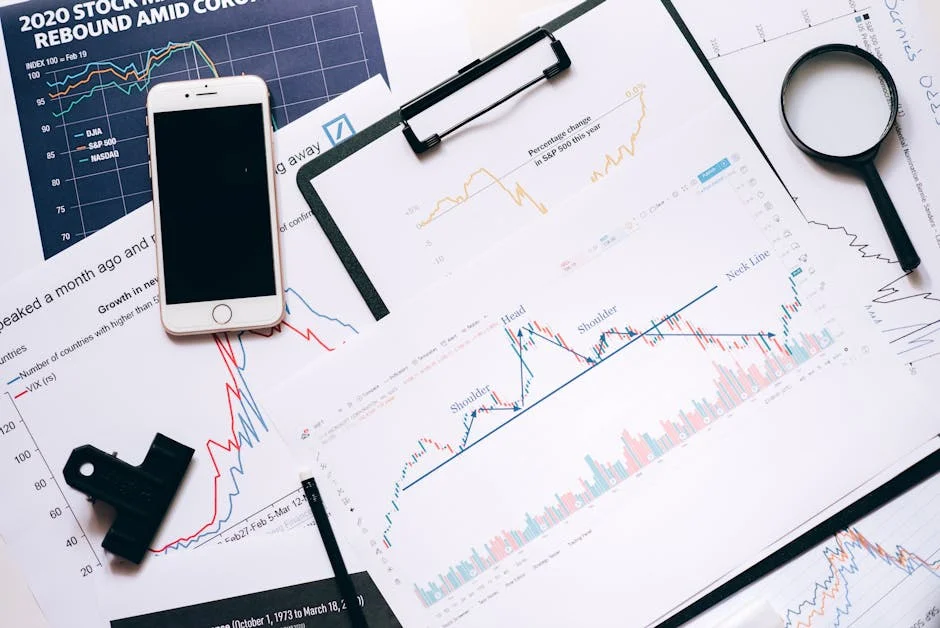
Wall Street closed with mixed results today, as conflicting signals from the Strait of Hormuz cast a shadow over global markets. The Nasdaq Composite Index saw slight losses, reflecting uncertainty stemming from geopolitical tensions in the Middle East.
Nasdaq Closes With Slight Losses
The Nasdaq Composite Index ended the trading day down by 0.4%, closing at 11,850. This dip was driven by a mix of factors, including the ongoing trade tensions between the US and China and heightened concerns about the stability of oil supply routes through the Strait of Hormuz. Despite the downturn, the broader S&P 500 index managed to close marginally higher, indicating a degree of resilience among larger companies.
Geopolitical Tensions in the Middle East
The Strait of Hormuz, located between Iran and Oman, has become a focal point of global concern due to recent incidents involving oil tankers. The region's strategic importance is underscored by its role as a major conduit for oil shipments, which account for approximately one-fifth of all seaborne oil traded globally. Any disruption to this vital artery could have far-reaching implications for energy prices and global economic stability.
economy-business · Nasdaq Slams Closes as Mixed Signals from Ormuz Threaten Global Markets - Full Story
Implications for Africa and Nigeria
For African nations, particularly Nigeria, the situation in the Strait of Hormuz poses significant risks. Nigeria, the largest economy in Africa, relies heavily on oil exports for revenue and foreign exchange earnings. A spike in global oil prices resulting from any disruption in the Strait could exacerbate inflationary pressures and negatively impact the country’s fiscal position. Moreover, increased volatility in financial markets could affect Nigerian investors' confidence and investment flows into the country.
Opportunities Amidst Challenges
While the current situation presents considerable challenges, there are also potential opportunities for African countries to diversify their economies. Nigeria, for instance, has been working towards reducing its dependency on oil revenues by fostering growth in other sectors such as technology, agriculture, and manufacturing. The recent push towards renewable energy sources could also provide a buffer against fluctuations in global oil prices.
Global Market Reactions
Markets across the globe are closely monitoring developments in the Strait of Hormuz. Analysts suggest that any sustained disruption could trigger a flight to safety, potentially benefiting gold and other safe-haven assets. For Nigeria and other African nations, this could mean an increased demand for their sovereign bonds, albeit at potentially higher yields to compensate for the perceived risk.
Looking Ahead
As tensions in the Strait of Hormuz continue to simmer, African nations, including Nigeria, will need to remain vigilant and proactive in managing their exposure to external shocks. Diversification of economic activities and robust financial planning will be crucial in mitigating the adverse effects of global market volatility. Additionally, strengthening regional cooperation and infrastructure projects can enhance resilience and foster sustainable development across the continent.