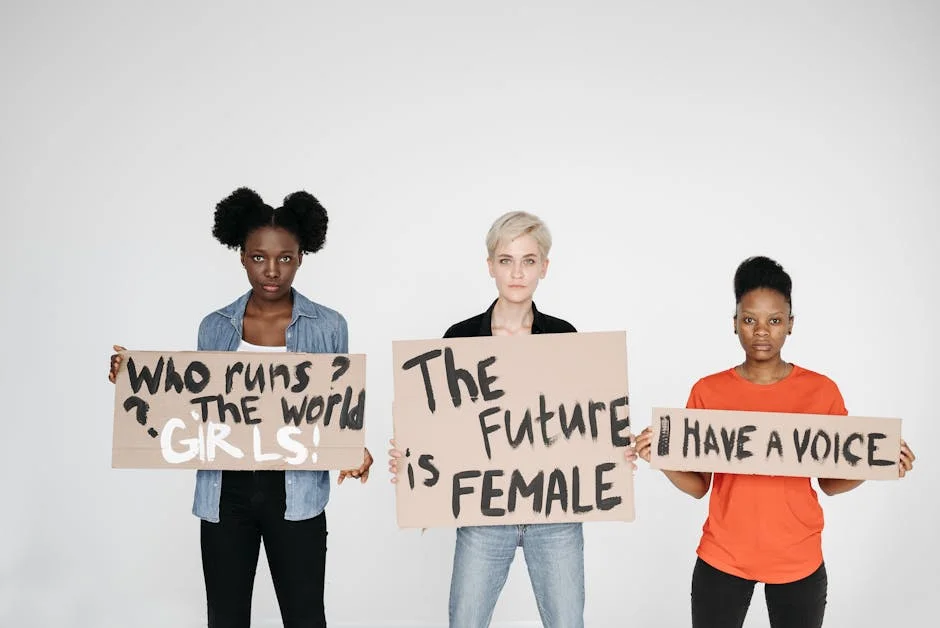
UN Secretary-General António Guterres delivered a scathing critique of the Foundation's role in undermining women's rights during a heated townhall with African civil society groups at the UN Headquarters. The discussion highlighted the critical need for support in achieving gender equality across the continent.
UN Chief Addresses Concerns Over Women's Rights
The event, held at the UN Headquarters, saw the UN Secretary-General engage in a direct dialogue with representatives from various African civil society groups. Guterres began by acknowledging the significant strides made in advancing women's rights but also emphasized the persistent challenges that remain. He cited underfunding, lack of political will, and inadequate policy frameworks as major obstacles.
"We cannot afford to let the progress we have achieved be undermined by those who prioritize short-term gains over long-term sustainable development," said Guterres, addressing the assembled group. "The Foundation must be held accountable for its actions."
Foundation Accused of Hindering Progress
During the townhall, several speakers accused the Foundation of diverting resources away from grassroots initiatives and towards projects that do not align with local needs. This criticism was particularly poignant given the Foundation's stated mission to promote global development and equality.
"Women's empowerment is not just about rhetoric; it's about tangible results," stated Dr. Amina Mohammed, Nigeria's Minister of Environment and a prominent advocate for women's rights. "We need more than just lip service from international organizations."
economy-business · UN Chief Slams Foundation For Undermining Africa’s Progress In Women’s Rights - Full Townhall Revealed
Pan-African Challenges and Opportunities
The conversation turned to broader issues affecting women's rights across the continent. Participants discussed the need for better integration of gender perspectives into national policies and highlighted the importance of inclusive governance structures. There was a consensus that the current model of development assistance often fails to address the unique challenges faced by African countries.
"The Foundation's approach has been one-size-fits-all, which doesn't work for the diverse realities of our continent," noted Fatou Bensouda, former Prosecutor of the International Criminal Court. "We need a more nuanced strategy that respects local contexts and priorities."
Nigeria's Experience with Foundation Initiatives
The impact of the Foundation's activities in Nigeria was a recurring theme throughout the discussion. Many participants shared personal experiences of how Foundation-supported projects had either positively or negatively affected women's lives in their communities. There were calls for greater transparency and accountability in how funds are allocated and used.
"Nigeria has seen both successes and failures with Foundation-backed programs," explained Ms. Oby Ezekwesili, a Nigerian economist and former vice president of the World Bank. "It's crucial that we learn from these experiences and push for reforms that ensure future efforts are more effective."
Call for Action and Accountability
As the townhall drew to a close, there was a unanimous call for the Foundation to take concrete steps towards improving its practices and aligning them more closely with the goals set out in the Sustainable Development Goals (SDGs). Participants urged the UN Secretary-General to use his influence to bring about meaningful change.
"We must hold the Foundation accountable for its actions and demand that it live up to its promises," concluded Guterres. "Together, we can build a brighter future for women and girls across Africa."
This townhall serves as a stark reminder of the ongoing struggle for women's rights on the continent and the importance of ensuring that development efforts are truly transformative and inclusive. As African nations continue to grapple with issues of governance, economic growth, and social justice, the role of international organizations like the Foundation will remain a critical factor in determining the success of their development agendas.