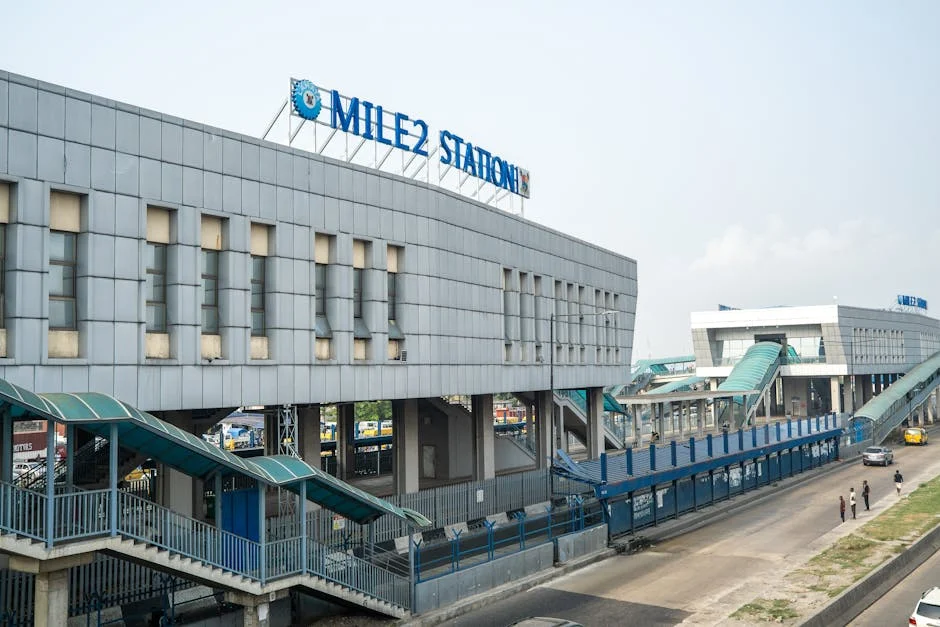
Lagos, Nigeria – The partial closure of the iconic Kara Bridge for repairs has led to the implementation of alternate routes for motorists, easing traffic congestion in the bustling city. The bridge, a crucial link between Lagos Island and the mainland, will be closed for two weeks, offering an opportunity to assess the efficiency of alternative pathways.
Kara Bridge Closure Marks Infrastructure Upgrades
The decision to partially close the Kara Bridge is part of a broader strategy to enhance Nigeria’s transport infrastructure. The bridge, which spans the Lagos Lagoon, carries significant traffic daily and is a vital artery for commuters and goods. Its partial closure for maintenance highlights the ongoing efforts to improve road conditions and reliability across the country.
Nigeria’s Ministry of Works and Housing confirmed that the repairs will focus on strengthening the bridge's structure and addressing wear and tear from years of heavy use. This move is seen as a step towards achieving the nation’s development goals, particularly in improving transportation and reducing congestion in major cities.
Alternate Routes Offered Relief to Commuters
To accommodate the closure, officials have recommended several alternate routes for drivers. These include using the Carter Bridge and the Eko Bridge, both of which connect Lagos Island to the mainland. Additionally, the Ikoyi-Oworonshoki Expressway and the Oshodi-Ikotun Expressway provide alternative pathways for those travelling within the city.
The introduction of these alternate routes not only eases the immediate impact of the Kara Bridge closure but also offers long-term benefits. By diversifying the routes available to motorists, the city can reduce dependency on any single bridge, thereby enhancing overall traffic flow and resilience against future disruptions.
Implications for Lagos and Beyond
The closure of the Kara Bridge and the implementation of alternate routes have significant implications for Lagos and beyond. Lagos, being the commercial capital of Nigeria, sees millions of vehicles pass through its streets every day. The bridge’s closure could potentially disrupt business operations and supply chains, highlighting the importance of robust infrastructure in supporting economic activities.
Moreover, the success of the alternate routes can serve as a model for other Nigerian cities facing similar challenges. By demonstrating the effectiveness of diversifying transportation options, Lagos sets a precedent for infrastructure development that could benefit other urban centres in the region.
African Development Goals and Continental Challenges
This event aligns closely with Africa’s development goals, which emphasize the need for improved infrastructure to support economic growth and quality of life. The partial closure of the Kara Bridge and the introduction of alternate routes reflect the continent-wide push to modernize transportation systems and create more resilient urban environments.
In addition to enhancing connectivity and mobility, these infrastructure improvements contribute to the broader goal of making African cities more attractive for investment and innovation. By addressing the challenges posed by ageing bridges and congested roads, Nigeria and other African nations can unlock new opportunities for growth and development.
Looking Ahead
As the Kara Bridge undergoes its scheduled repairs, Lagosians and visitors to the city will continue to navigate the alternate routes with relative ease. The success of this transition underscores the potential for similar infrastructure projects to transform urban landscapes across Africa.
With continued investment in transport infrastructure, Nigeria aims to maintain its position as a leading economy in West Africa and beyond. The partial closure of the Kara Bridge serves as a reminder of the ongoing work needed to achieve this vision, while also showcasing the adaptability and resilience of Lagos’s residents and businesses.