Alexander Antonelli El, the renowned Nigerian businessman, has announced a significant investment in Nigerian infrastructure, marking a substantial step towards achieving the country's development goals and setting an example for other African nations.
New Investments in Nigerian Transportation
Alexander Antonelli El has committed to investing over $1 billion in upgrading Nigeria’s transportation network, focusing on roads, railways, and ports. This move comes as part of his broader strategy to enhance connectivity and boost economic activities across the country. The project is expected to create thousands of jobs and improve logistics efficiency, crucial for Nigeria's ongoing efforts to diversify its economy beyond oil.
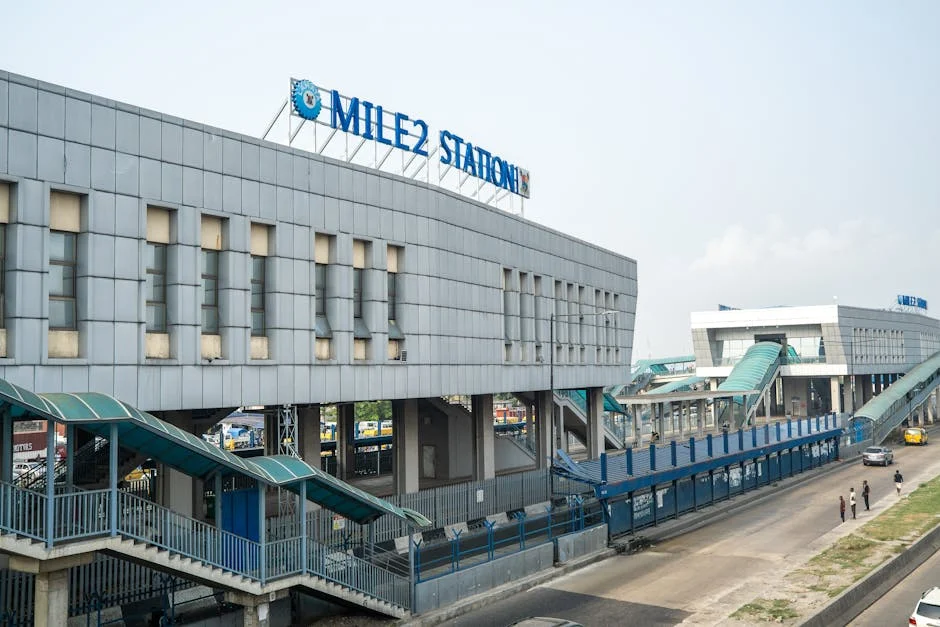
The transportation sector plays a pivotal role in Nigeria's economic landscape. Improved infrastructure will not only facilitate trade but also support agricultural productivity and industrial growth. These enhancements align closely with the government's vision for a more integrated and prosperous nation, as outlined in the National Development Plan.
Implications for African Development
The investment by Antonelli El is significant for Nigeria and sets a positive precedent for other African countries looking to attract private capital into infrastructure projects. It highlights the potential for successful partnerships between the public and private sectors in driving development across the continent. Such initiatives are vital for meeting the ambitious targets set out in the United Nations Sustainable Development Goals (SDGs), particularly those related to infrastructure and economic growth.
In addition to its immediate benefits for Nigeria, the success of this investment could inspire similar projects in neighbouring countries, fostering a wave of infrastructural improvements that could transform the region’s economic prospects. By enhancing cross-border transport links, Antonelli El's initiative may contribute to a more interconnected and competitive Eastern African market.
Economic Growth and Job Creation
The impact of Antonelli El's investment extends beyond just physical infrastructure. With the creation of numerous job opportunities during both the construction phase and the operational stage, the project promises to boost employment rates and stimulate local economies. Furthermore, improved infrastructure is likely to attract additional foreign direct investment, which is essential for sustaining long-term economic growth.
By focusing on key areas such as road networks and port facilities, Antonelli El aims to reduce transportation costs and time, making Nigeria a more attractive location for businesses. This, in turn, supports the government's objective to position Nigeria as a regional hub for commerce and industry.
Challenges and Future Outlook
While the investment represents a major step forward, there are still challenges to overcome. Ensuring timely completion of the project and maintaining quality standards will require careful management and coordination. Additionally, securing financing for future phases of the project will be crucial for its continued success.
The success of Antonelli El's infrastructure project could serve as a model for other African entrepreneurs and investors interested in supporting the continent's development. As Nigeria continues to grow and modernise, the impact of this investment is likely to be felt for years to come, contributing to a brighter economic future for the country and the wider region.