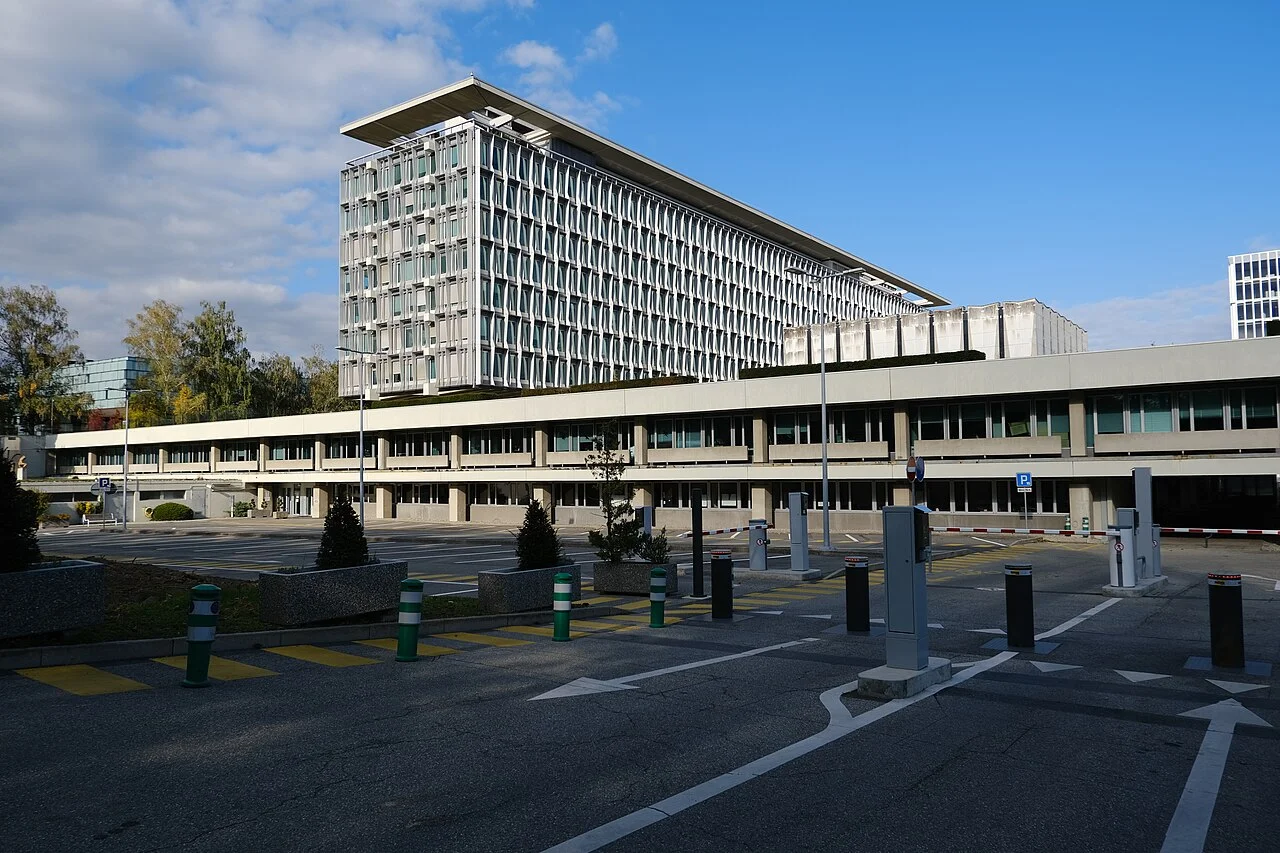
The Governo of Portugal has announced plans to raise €17.9 million from its inaugural public auction of state-owned properties in Avenidas Novas, Lisbon, scheduled for later this month. This initiative aims to bolster public finances while addressing the pressing need for infrastructure development and efficient land utilisation.
Fundraising Efforts Amid Economic Recovery
The auction, set to feature several properties across the bustling Avenidas Novas district, is part of a broader strategy to generate funds following years of economic struggles exacerbated by the COVID-19 pandemic. With Portugal's economy gradually recovering, the Governo's move is seen as a significant step towards revitalising public finances and supporting essential services.
Linking Property Development to African Growth Goals
This initiative has broader implications, particularly for African nations like Nigeria, where public-private partnerships in real estate can stimulate economic growth. The auction reflects a critical understanding of asset management and development that aligns with the African Union's Agenda 2063, which seeks to foster economic growth and sustainable development across the continent.
Infrastructure Investment: A Pan-African Perspective
Infrastructure remains a pivotal challenge for many African countries, including Nigeria, where inadequate facilities hamper growth. By successfully auctioning these properties, the Governo could set a precedent for similar initiatives across Africa, showcasing how effective management of state assets can lead to enhanced infrastructure development. The revenue generated could be redirected towards education, health, and governance, addressing some of the continent's most pressing challenges.
Economic Opportunities and Governance Challenges
While the auction is expected to raise substantial funds, it also raises questions about governance and transparency in the management of state assets. Observers argue that for such initiatives to truly benefit the public, there must be clear accountability measures in place. This is particularly relevant for Nigeria, where concerns about corruption and mismanagement of public resources often undermine development efforts.
What to Watch For Next: Implications for Nigeria
Nigerians and other African nations should closely monitor the outcomes of the Governo's auction. The strategies employed could inform similar initiatives in Nigeria, where land management and property development are critical for urbanisation and economic expansion. As the auction unfolds, stakeholders will be keen to see if the revenue generated translates into tangible improvements in infrastructure and public services, ultimately serving as a model for African development.