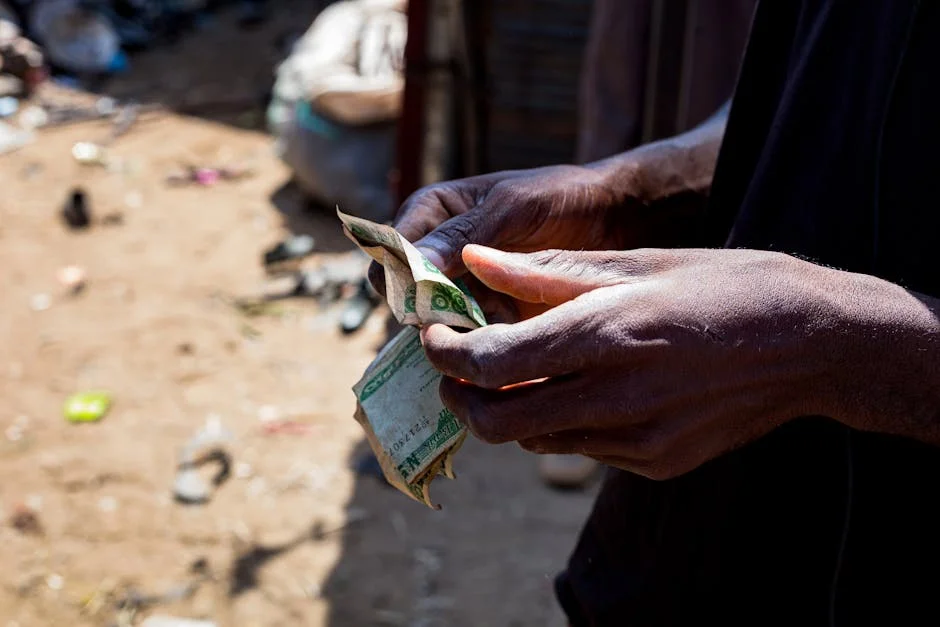
The adoption of the Central Bank of Nigeria's (CBN) digital currency, eNaira, has surged notably across northern states, marking a significant shift in the financial habits of Nigerians. As the country increasingly embraces digital transactions, recent statistics reveal that the eNaira wallet downloads have skyrocketed, indicating a growing acceptance of this innovative financial instrument among residents in the northern region.
Context of eNaira Adoption
Launched in October 2021, eNaira was introduced to promote financial inclusion, enhance the efficiency of payment systems, and facilitate cross-border transactions. Initially met with skepticism, the digital currency has gradually gained traction, particularly in northern Nigeria, where traditional banking has often been less accessible.

According to the CBN, over 1 million users have registered for the eNaira wallet, with a notable percentage of these new adopters coming from northern states, including Kano, Kaduna, and Bauchi. This increase is attributed to several factors, including increased awareness campaigns and the growing penetration of mobile technology in these regions.
Factors Driving Adoption
- Awareness Campaigns: The CBN has engaged in a series of awareness initiatives aimed at educating the public about the benefits and functionalities of eNaira.
- Mobile Technology: The proliferation of smartphones and mobile internet has made it easier for individuals to access digital financial services.
- Government Support: Local governments and community leaders have endorsed the use of eNaira, helping to foster trust in the digital currency.
Impact on Ordinary Nigerians
The rise in eNaira adoption is not merely a statistic; it has tangible implications for the everyday lives of Nigerians. For many, eNaira has simplified transactions, reduced the need for cash, and provided a safer alternative for conducting business.
A resident of Kano, Fatima Abubakar, expressed her satisfaction with eNaira: "I used to worry about carrying cash, especially when going to the market. With eNaira, I can make payments quickly and securely on my phone, making my shopping experience much easier." This sentiment is echoed by many, particularly among traders, who find digital transactions more efficient.
Official Perspectives
Officials from the CBN have noted the positive trends in digital currency adoption. The Director of the CBN's Payment System Management Department, Dr. Musa Junaid, stated, "Our goal has always been to enhance financial inclusion across all regions of Nigeria. The increasing adoption of eNaira in the north is a testament to our efforts and the willingness of the people to embrace modern financial solutions."
Moreover, financial analysts believe that the rise of eNaira could contribute significantly to the economy. Economic expert, Dr. Chika Ibe, remarked, "The eNaira has the potential to streamline transactions, reduce transaction costs, and foster an inclusive economy. The northern states, with their unique economic activities, can greatly benefit from adopting digital currency."
Challenges Ahead
Despite the positive outlook, challenges remain. Issues such as inadequate digital literacy, limited access to stable internet services, and concerns over cybersecurity still pose threats to the widespread adoption of eNaira in northern Nigeria. Many potential users are hesitant to fully embrace the digital currency due to fears of fraud and technical difficulties.
Dr. Junaid acknowledged these concerns: "We understand that there are hurdles to overcome, particularly in terms of digital literacy and cybersecurity. The CBN is committed to working with stakeholders to address these issues and ensure that eNaira is a safe and viable option for all Nigerians."
Looking Ahead
The CBN's strategy to promote eNaira includes further collaborations with local governments, educational institutions, and the private sector to boost digital literacy and build trust in the digital currency. As the landscape of finance continues to evolve, the central bank aims to position eNaira as a cornerstone of Nigeria's digital economy.
"The future is digital, and Nigeria cannot afford to be left behind. eNaira is a step towards that future," said Dr. Ibe, emphasizing the importance of embracing technological advancements in banking.
In conclusion, the surge in eNaira adoption across Nigeria's northern states signifies a promising shift toward a more digitized economy. While challenges remain, the commitment from both the CBN and the local populace indicates a shared vision for a financially inclusive future in Nigeria.