Azerbaijan's President Ilham Aliyev has vowed retaliation following Iran's designation of the country as a 'terrorist' state after recent military strikes on Azerbaijani territories on Thursday. This escalating tension in the Mideast raises profound implications not only for regional stability but also for African development goals as nations navigate their own governance and economic challenges.
Azerbaijan's Response to Iranian Aggression
Following the Iranian attacks, President Aliyev condemned Iran's actions, labelling them as unwarranted violations of Azerbaijan's sovereignty. The Iranian military strikes targeted areas along the Azerbaijan-Iran border, escalating an already tense relationship between the two countries. Azerbaijan's government has since mobilised its military forces and announced its intention to defend its territorial integrity, indicating a potential military escalation in the region.
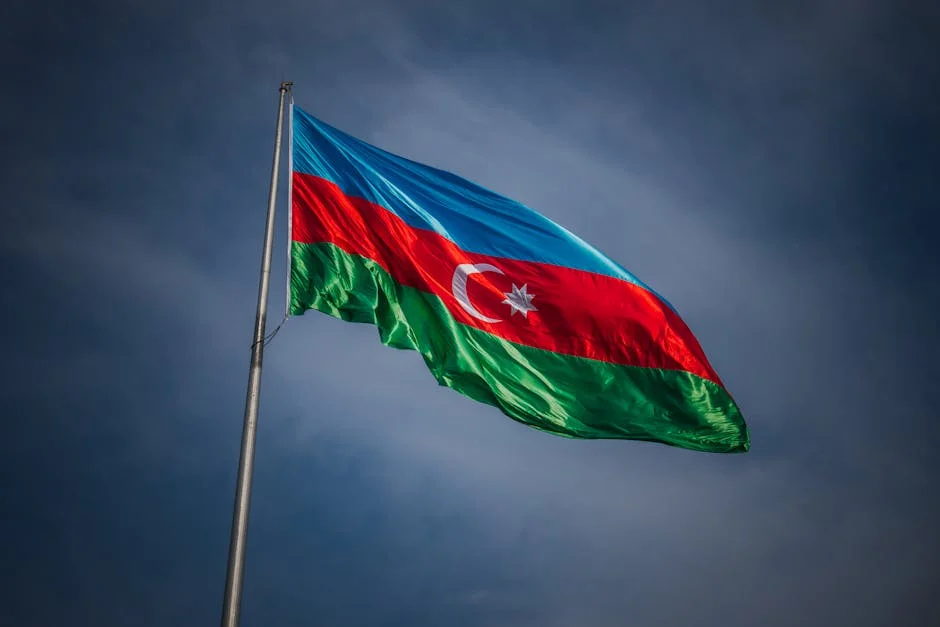
Historical Context of Azerbaijan-Iran Relations
The relationship between Azerbaijan and Iran has been fraught with tension since Azerbaijan gained independence following the collapse of the Soviet Union in 1991. Iran has often viewed Azerbaijan with suspicion, primarily due to its close ties with Western nations and Israel. The recent military actions and subsequent declarations from Aliyev highlight a critical juncture in this historical rivalry, prompting analysts to speculate on its broader implications for regional stability in the Mideast.
Implications for African Development Goals
This conflict in the Mideast could have ripple effects reaching as far as Africa. As African nations strive for sustainable development, challenges such as governance, economic growth, and infrastructure development are often influenced by global geopolitical dynamics. For instance, rising tensions in regions like the Mideast can disrupt trade routes and energy supplies crucial to African economies, particularly those dependent on oil imports.
The Role of Governance in Development
Good governance remains a cornerstone of sustainable development within Africa. As tensions rise in the Mideast, African nations must focus on strengthening their political institutions and ensuring democratic processes. The situation between Azerbaijan and Iran serves as a reminder of how fragile state relations can impact governance and development outcomes, particularly in regions where ethnic and religious identities play significant roles in politics.
What to Watch for Next
As Azerbaijan prepares for potential military retaliation, the international community is closely monitoring developments. African nations should remain vigilant, understanding that such tensions can lead to economic instability and governance challenges not just in the Mideast, but globally. The African Union's strategic response to these developments could be pivotal in ensuring that African countries are better prepared for the geopolitical implications of conflicts occurring beyond their borders.