The African Football Confederation (CAF) has announced the last-minute postponement of the Women's Africa Cup of Nations (AFCON), initially set for March 2024 in Morocco. This decision, made public on March 1, has sent shockwaves through the football community and raised concerns about the future of women's sports on the continent.
Unexpected Postponement Raises Questions
The postponement comes just weeks before the tournament was due to commence. CAF cited logistical challenges and insufficient preparation time as the reasons behind this unexpected decision. Football associations across Africa, particularly those of the participating nations, expressed their disappointment and concern. The tournament, which was expected to showcase the growing talent of African women in football, now leaves many players and fans in limbo.
Impact on Women's Sports Development in Africa
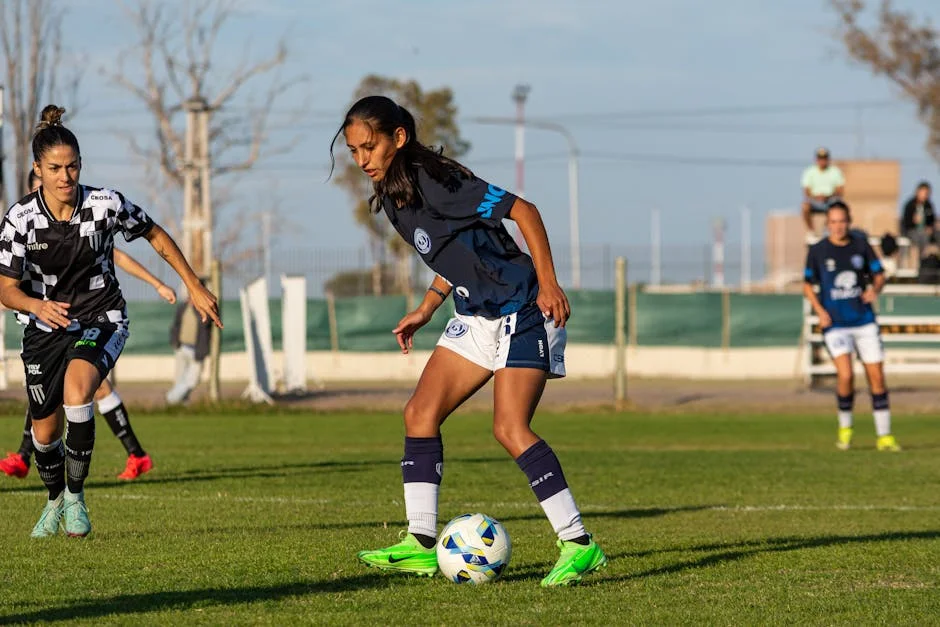
This postponed tournament is not just a setback for the players involved; it highlights the ongoing challenges faced by women in sports across the African continent. Despite significant strides in promoting women’s sports, barriers such as underfunding, lack of infrastructure, and insufficient media coverage persist. The Women's AFCON was viewed as an opportunity to elevate women's football, inspire future generations, and drive investment into female sports. Now, this setback may hinder progress that had been made.
The Broader Implications for African Development Goals
The postponement of the Women's AFCON resonates deeply with the African Union’s Agenda 2063, which aims to promote gender equality and empower women across various sectors, including sports. Sports can serve as a powerful platform for social change, and the visibility of women's football could have helped foster greater support for women’s rights and gender equality initiatives in Africa. The delay casts a shadow over these development goals, raising questions about the commitment to empowering women in all fields.
What Comes Next for Women in African Football?
As the football community grapples with this postponement, stakeholders are calling for increased investment in women's sports. Football associations are urged to re-evaluate their commitment to developing women's teams and ensuring that they receive adequate training and resources. The need for a consolidated effort to advocate for women's sports has never been more critical. As fans and players await updates on the rescheduled tournament, the conversation around the importance of women in sports continues to gain momentum.
Looking Ahead: Opportunities for Growth
While the postponement of the Women's AFCON presents undeniable challenges, it also opens the door for dialogue and advocacy. This moment could catalyse increased support for women’s sports, pushing governments and private sectors to invest more in women's leagues and infrastructure. The focus must remain on creating sustainable opportunities for women athletes in Africa, ensuring that their voices are heard and their contributions celebrated.