As global power dynamics shift, African nations are pressing for greater representation on the world stage, addressing historical inequities in governance and economics. This movement comes amid increasing calls for unity and collaboration across the continent to tackle pressing challenges.
Africa's Quest for Representation in Global Governance
In recent months, African nations have intensified their push for a more significant role in global governance structures, including the United Nations and the G20. This demand is driven by a desire to rectify historical imbalances and ensure that African voices are not merely an afterthought in global decision-making. Leaders from various countries have united to advocate for reforms that would allow for permanent representation of African nations in these influential bodies.
Continental Challenges: Economic Growth and Infrastructure Development
Despite its vast resources, Africa continues to grapple with significant developmental challenges, including inadequate infrastructure, limited access to healthcare, and educational disparities. According to the African Development Bank, the continent needs to invest over $170 billion annually to close the infrastructure gap. With the global economic landscape evolving, the urgency for African governments to create robust growth strategies has never been more critical. The African Continental Free Trade Area (AfCFTA) offers a unique opportunity to enhance intra-African trade and bolster economic resilience.
Health and Education: The Pillars of African Development Goals
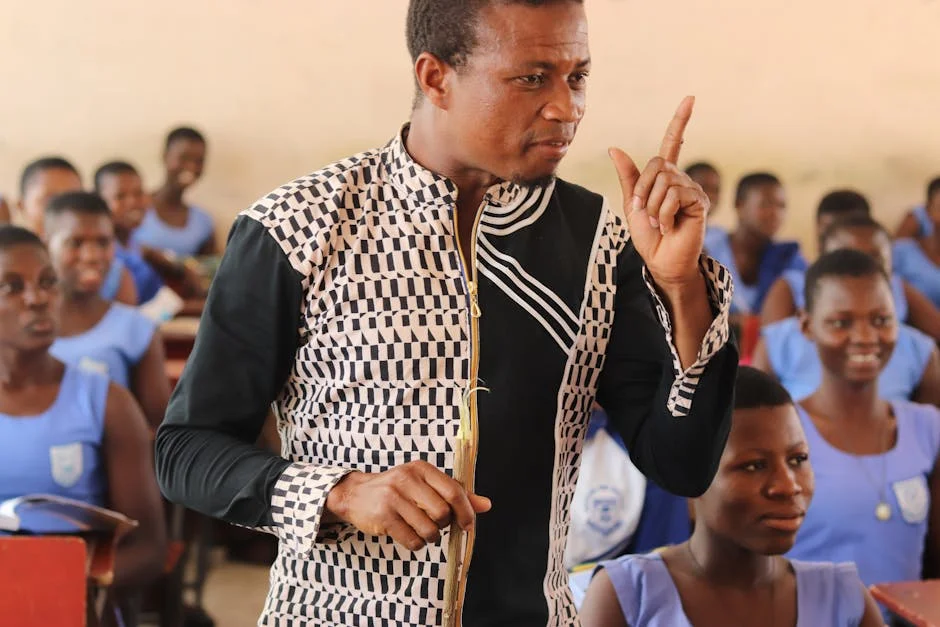
Health and education remain pivotal in achieving the United Nations' Sustainable Development Goals (SDGs) in Africa. The COVID-19 pandemic has exacerbated existing challenges, leaving many countries struggling to maintain healthcare services and educational access. As nations navigate recovery, investing in health systems and educational infrastructure is essential. For instance, initiatives aimed at improving maternal health and increasing school enrolment rates directly contribute to long-term economic growth and stability.
Governance and Political Stability: Key to Progress
Effective governance is fundamental to Africa's development ambitions. Ongoing political instability in several regions poses a significant barrier to achieving sustainable growth. With the rise of authoritarianism and a decline in democratic practices in some countries, there is a pressing need for a renewed commitment to good governance. Civil society and regional organisations are pivotal in holding governments accountable and fostering democratic practices that empower citizens.
Embracing Opportunities in the New World Order
The current geopolitical climate presents both challenges and opportunities for Africa. As Western nations reassess their foreign policies and focus on strategic partnerships, African countries can leverage their resources and young populations to attract investment. The emerging global emphasis on sustainable development and climate resilience provides a platform for African nations to advocate for their interests and participate actively in shaping the global agenda.
The path forward requires a collective effort from African leaders to not only demand a seat at the table but also ensure that their interests are represented effectively. This is a crucial moment for Africa as it navigates the complexities of the new world order.