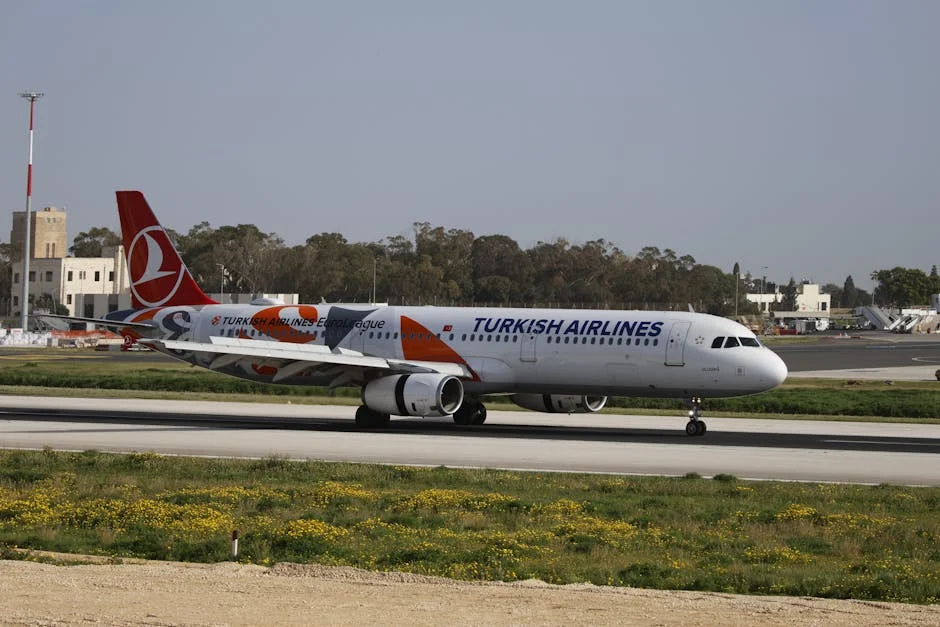
In a recent statement, South African Minister of Forestry, Fisheries and the Environment, Barbara Creecy, confirmed that the government is ‘closely watching’ the impact of soaring oil prices and jet fuel costs on the economy. This comes amid rising inflation and economic uncertainty affecting many African nations.
Rising Jet Fuel Prices and Economic Pressure
The price of jet fuel has surged over the past few months, prompting concerns from various sectors, including aviation and logistics. Creecy's remarks highlight the government's proactive approach to managing potential fallout from these rising costs, which could lead to increased airfares and a slowdown in tourism—a sector vital to South Africa's economy.

The Broader Implications for Africa's Development Goals
This situation not only affects South Africa but resonates across the continent. With many African nations relying heavily on tourism for economic growth, the escalating costs of travel could hinder progress towards the United Nations’ Sustainable Development Goals (SDGs), particularly Goal 8, which promotes sustained economic growth and decent work for all. Creecy's vigilance reflects an understanding of how interconnected African economies are, especially in the context of the African Continental Free Trade Area (AfCFTA).
Creecy's Role in Government Politics and Economic Strategy
As South Africa navigates its post-pandemic recovery, Creecy's role is pivotal. Her statements signal the government's commitment to monitoring economic indicators closely, which is vital for making informed policy decisions. The government’s focus on addressing rising fuel prices aligns with broader strategies aimed at improving governance and ensuring economic resilience in the face of global challenges.
What to Watch for Next: Potential Policy Changes
As the situation evolves, stakeholders should keep an eye on potential policy responses from the South African government. Analysts suggest that measures may be introduced to alleviate the burden on consumers and businesses. This could include subsidies or incentives aimed at the aviation industry, which would reflect a broader commitment to fostering economic growth while addressing immediate fiscal pressures.
Conclusion: A Crucial Moment for Governance
Creecy’s warnings serve as a timely reminder of the delicate balance governments must strike between managing immediate challenges and pursuing long-term development goals. For Nigeria and other African nations, the implications of rising fuel prices extend beyond economics; they touch upon governance, infrastructure development, and the overall pursuit of sustainable growth. The coming months will be critical in determining how effectively African nations can respond to these challenges and seize potential opportunities for collaborative growth.