DJ Speedsta, a well-known figure in the South African music scene, has opted to stay out of the highly charged public debate on illegal immigration. His decision comes amid increasing pressure from other celebrities to take a stand on the contentious issue. Speedsta revealed his stance in a recent social media post, explaining his choice to focus on his music rather than engaging in political commentary.
Speedsta's Stance on Immigration Commentary
The immediate revelation from DJ Speedsta caught many fans and fellow celebrities by surprise. Known for his candidness, Speedsta took to Twitter to express his reluctance to join the ongoing discussions about illegal immigration in South Africa. He stated that his energies are better spent on his artistic pursuits rather than delving into political discourses.
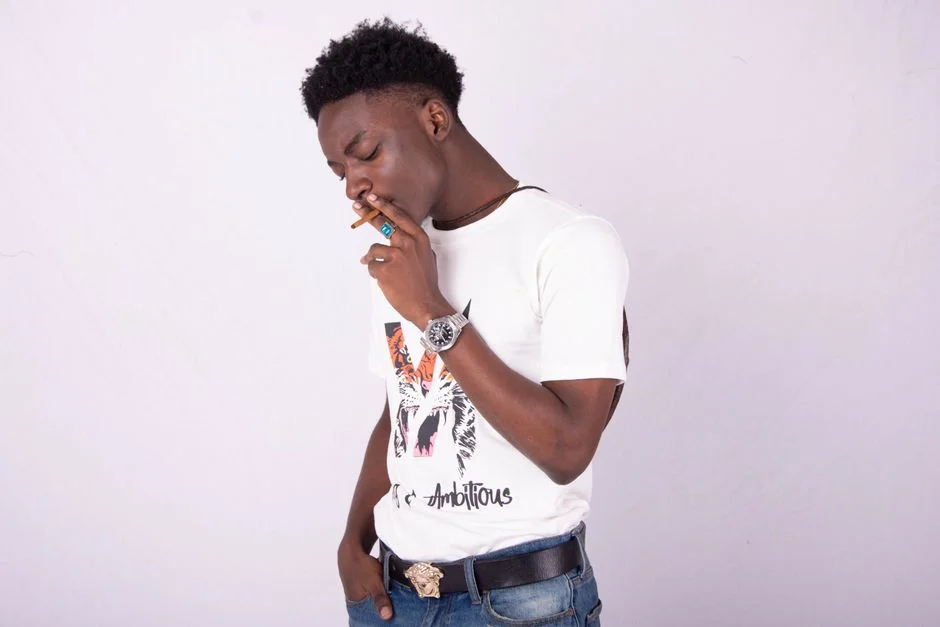
Speedsta's position contrasts sharply with that of several other public figures who have been vocal about immigration policies. He noted that while he respects the opinions of his peers, he believes each individual should decide independently whether to engage in such debates. This decision underscores his prioritization of personal focus over social media pressure.
Background on South African Immigration Issues
Illegal immigration has been a hot-button issue in South Africa for many years. The country, known for its economic potential and diverse culture, has been a destination for many seeking better opportunities. However, this has also led to tensions, particularly when it comes to the availability of jobs and public services.
The historical context of South African immigration policies is complex, with previous government regimes adopting varying approaches. During the apartheid era, strict segregationist policies impacted immigration heavily. Post-apartheid, policies have fluctuated between more open approaches and tighter controls depending on economic conditions and public sentiment.
Why Speedsta's Decision Matters
Speedsta's decision to refrain from commenting on immigration has implications for his image and influence. As a prominent figure, his choice highlights the broader debate about the role of celebrities in political and social issues. In a world where public figures are often expected to leverage their platforms for advocacy, Speedsta's decision invites discussion about personal boundaries and public expectations.
Moreover, it raises questions about the impact of celebrity endorsements on public opinion and policy. While some argue that celebrities have a duty to speak out on societal issues, others believe their primary role is entertainment, and advocacy should be a personal choice.
Key Players in the Immigration Debate
Several key players influence the immigration discourse in South Africa. The government plays a pivotal role through its policies and enforcement actions. Political parties often use immigration as a campaign issue, influencing public perception and policy direction. Non-governmental organizations (NGOs) also play a crucial role in advocating for migrants' rights and providing support to affected communities.
In addition, media and public figures, including celebrities, greatly shape the narrative around immigration. The perspectives and discussions they bring to the forefront can significantly influence public opinion, underscoring Speedsta's notable absence in this dialogue.
Reactions from Different Stakeholders
The reactions to Speedsta's stance have been mixed. Supporters of his decision applaud his focus on music and respecting personal choice in political engagement. Some fans appreciate his honesty and the courage to steer clear of a polarizing topic.
Conversely, critics argue that as a public figure, Speedsta has a responsibility to engage in significant national debates. They believe that his influence could help bring attention to the challenges faced by both citizens and immigrants in the country.
Broader Implications for South African Culture
Speedsta's decision fits into a larger conversation about the role of artists and entertainers in societal issues. This incident feeds into discussions on how public figures balance their personal beliefs with public expectations. It also touches on the broader cultural dynamics in South Africa, where issues of identity, belonging, and socio-economic challenges are ever-present.
The choice to remain apolitical could influence other artists who may feel pressured to comment on social issues, potentially leading to a more diversified approach to celebrity advocacy in the country.
What Comes Next for Speedsta and Public Discourse
As Speedsta continues to focus on his music, his decision will likely be a reference point in future discussions about celebrity involvement in political issues. The ongoing immigration debate in South Africa will evolve, with campaigns and policies likely to shift in response to economic and social pressures.
For observers, the key will be to watch how other celebrities choose to engage with or distance themselves from public discourses, potentially setting new precedents for public figures globally. The immigration issue itself will remain a critical topic in South Africa, impacting governmental policies and public sentiment in the months and years to come.
See Also
- Ondo Police Rescue Kidnapped Woman in Akure
- South Africa Delays World Cup Journey—Visa Issues Leave Fans in Limbo
Some fans appreciate his honesty and the courage to steer clear of a polarizing topic.Conversely, critics argue that as a public figure, Speedsta has a responsibility to engage in significant national debates. The immigration issue itself will remain a critical topic in South Africa, impacting governmental policies and public sentiment in the months and years to come.