Kira Africa, a Nigerian talking drummer, brought the rhythmic traditions of West Africa to the Scottish town of Paisley last week in an event celebrating African cultural heritage. The performance drew audiences eager to experience the distinctive talking drum, an instrument central to Yoruba musical culture for centuries. Organisers described the evening as an opportunity to bridge cultures through shared sonic experiences.
A Talking Drum Performance Rooted in Tradition
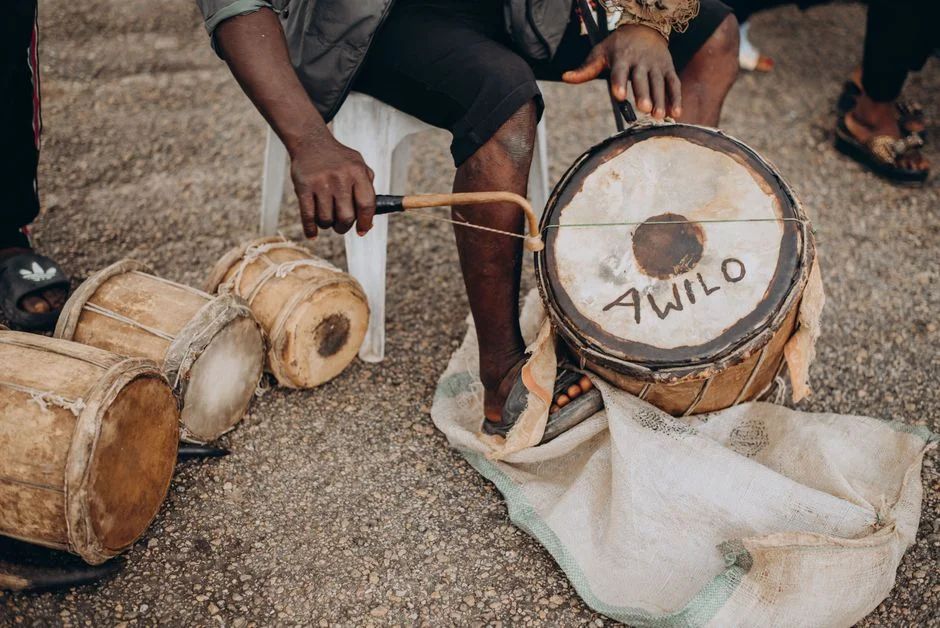
Kira Africa took the stage at the Paisley venue with a talking drum held against the body at a forty-five-degree angle, using subtle pressure on the strings to produce melodies that mimicked the tonal patterns of the Yoruba language. The drum, shaped like an hourglass and covered in a goatskin head, produced sounds that seemed to converse with the audience rather than simply accompany it. Each rhythmic phrase carried meaning, as the instrument has done in West Africa since the Kingdom of Benin first developed it centuries ago.
Community Response in Paisley
Esther Akintade, who helped coordinate the event, said she hoped the performance would give Scottish audiences a window into Nigerian cultural life. "The talking drum speaks," she told attendees after the performance. "When you hear it, you understand something about how we communicate, how we celebrate, how we mourn." The audience in Paisley responded with sustained applause, with many remaining in their seats to speak with Kira Africa after the formal programme ended.
Interest in African Cultural Events Grows
Scots attending the event said they had limited prior exposure to talking drum traditions. Several audience members asked questions about the mechanics of the instrument and its role in Nigerian ceremonies. The event space, typically used for local community gatherings, was filled to capacity, suggesting appetite for international cultural programming in the region. Organisers confirmed they received requests to host similar performances in other Scottish towns.
Connecting West Africa to Scottish Audiences
The performance formed part of a broader effort to present authentic African cultural expressions in Scotland, moving beyond the conventional imagery that often dominates coverage of the continent. Kira Africa performed alone on stage, accompanied only by his own percussion, relying entirely on the instrument's range to engage listeners. The minimalist approach contrasted with typical festival programming and forced audiences to focus closely on nuances of tone and rhythm that might otherwise go unnoticed.
Economic Development and Cultural Exchange
While the event itself was not structured as a commercial enterprise, cultural promoters argue that such performances create ripple effects for economic development in West African communities. When Nigerian artists perform internationally, demand for instruments, recordings, and cultural education often follows. The talking drum Kira Africa played was crafted by hand in Nigeria, and several audience members inquired about purchasing similar instruments. Organisers said they plan to explore partnerships with Nigerian craft makers to supply growing Scottish interest.
What Happens Next
Kira Africa is scheduled to return to Scotland for additional performances in the coming months, according to coordinators. The team behind the Paisley event said they aim to build a recurring programme that brings Nigerian and broader West African performers to Scottish venues on a regular basis. A date for the next performance has not yet been announced. Those interested in attending can follow local cultural listings for updates. The success of the Paisley event has already prompted inquiries from venues in Edinburgh and Glasgow about hosting future shows.
See Also
- TotalEnergies Secures Morocco U-17 AFCON — What It Means for Nigerian Football
- Why South Africa's Blue Baboon Spider Is Disappearing Into Private Collections