The Chief of Air Staff has ordered a comprehensive improvement in safety management practices during both the planning and execution phases of air operations in Nigeria. The directive, announced in Abuja, comes amid ongoing efforts to strengthen operational standards across the Nigerian Air Force. Officials confirmed the order affects all units involved in air operations planning and execution.
Safety Review Targets Planning and Execution Phases
The order specifically addresses safety protocols during two critical phases of air operations: the planning stage and the execution stage. According to the directive, all Air Staff units must review and enhance their existing safety management frameworks. Linus Aleke, speaking on behalf of the Air Force command, emphasised that safety improvements are not optional but mandatory across all operational units. The review process will examine current procedures, identify gaps, and implement corrective measures.
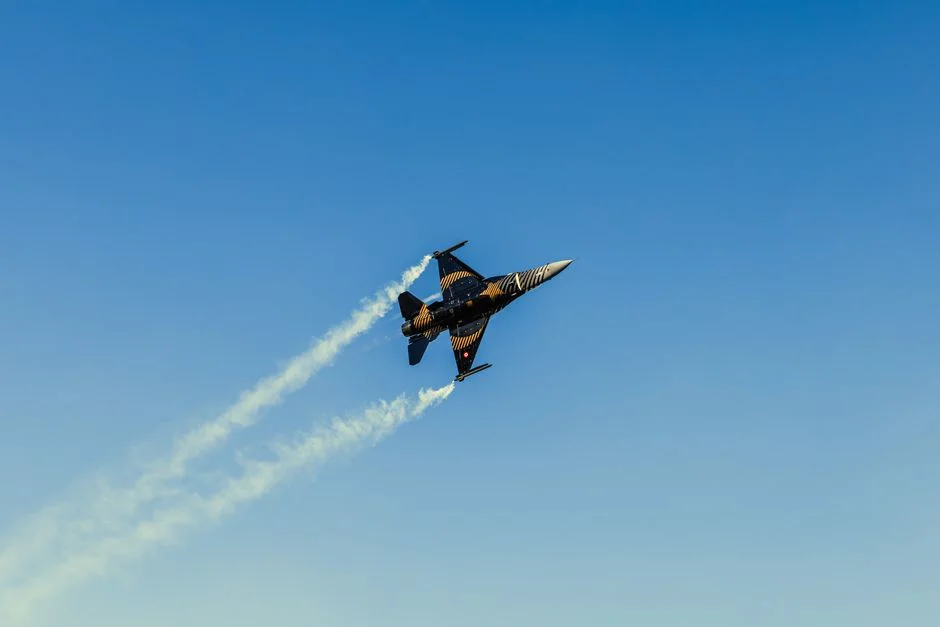
The directive requires unit commanders to submit compliance reports within a set timeframe. Each operational unit must demonstrate how it will integrate enhanced safety checks into its standard operating procedures. This includes pre-flight briefings, risk assessments, and post-operation safety reviews. The move signals a renewed focus on preventing operational incidents through systematic safety management.
Why Safety Management Standards Matter
Air operations involve significant risks, and safety management during planning stages can prevent accidents before they occur. The Air Force has maintained that operational effectiveness and safety standards must advance together. By targeting both planning and execution phases, the directive aims to create a continuous safety loop throughout every mission. This approach aligns with international best practices adopted by air forces worldwide.
Implementation Expected Across Nigerian Air Force Units
All Air Staff departments have been directed to begin immediate implementation of the new safety requirements. The process will involve training updates, procedural changes, and regular audits to ensure compliance. Commanders at every level bear responsibility for embedding safety management into daily operations. The order applies whether units are conducting training flights or active operations.
Observers note that such directives typically require several months for full implementation across a large organisation. The Air Force will need to balance operational demands with the time required to properly train personnel on updated safety protocols. Monitoring and evaluation mechanisms will track progress and identify units that need additional support.
What Comes Next for Air Force Personnel
Pilot crews, ground staff, and support personnel will all experience changes stemming from this directive. New safety checklists and verification procedures will become standard during mission preparation. Execution teams must confirm safety protocols have been completed before any air operation proceeds. Failure to comply with the new standards will carry administrative consequences.
The Air Force has indicated that follow-up inspections will verify whether units have successfully integrated the required safety improvements. Senior officers will conduct assessments at regular intervals throughout the implementation period. Personnel found to be non-compliant may face remedial training or disciplinary measures.
Watch for further announcements from Air Force headquarters in Abuja regarding specific timelines and compliance benchmarks. Units across Nigeria are expected to report initial progress within the coming months.
See Also
- France Beats Senegal with Second-Half Stunner at World Cup 2026
- Lagos Schools Launch Safety Ambassadors to Curb Daily Risks