South African authorities have rolled out updated foot-and-mouth disease management protocols designed to shield livestock producers from trade losses that have plagued the sector in recent years. The Department of Agriculture announced the revised framework on Thursday, introducing stricter movement controls and enhanced surveillance at border zones known for high volumes of cross-border animal traffic.
What the New Measures Require
The updated management plan mandates colour-coded zoning across South Africa's nine provinces. Zones classified as infected or suspect will face quarantine restrictions lasting a minimum of 28 days after the last confirmed case, compared to the previous 21-day standard. Farmers operating within these boundaries must obtain electronic movement permits before transporting any cloven-hoofed animals, including cattle, goats, and pigs.
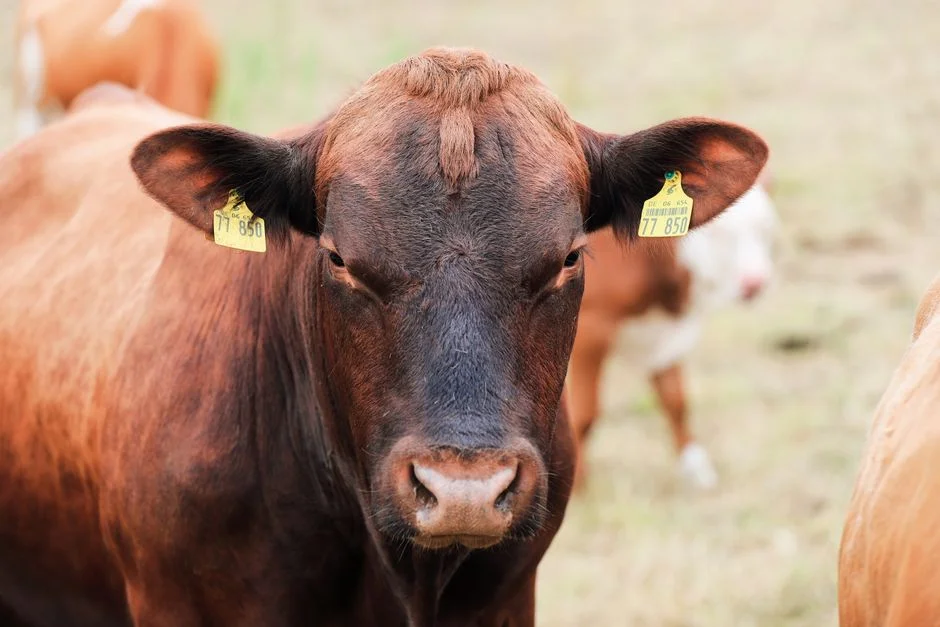
Veterinary officials will deploy GPS-tracked ear tags on all livestock crossing provincial boundaries. The system allows real-time monitoring and faster containment when outbreaks occur. Roadblocks near major abattoirs in Gauteng and Mpumalanga will operate around the clock during the initial rollout phase.
Enforcement and Penalties
Non-compliance carries steeper penalties under the revised Animal Diseases Act. Producers caught moving animals without permits face fines of up to 50,000 rand and possible confiscation of their livestock. Repeat offenders may receive jail sentences of up to two years. The government has allocated 120 additional veterinary inspectors to high-risk areas along the Mozambican and Botswana borders.
Why the Timing Matters
The new framework arrives after a 2023 outbreak cost South Africa's red meat industry an estimated 2.1 billion rand in lost export revenue. Neighboring Namibia suspended beef imports following detections in KwaZulu-Natal, while Botswana imposed a temporary ban on live cattle from affected regions. Small-scale farmers in rural communities bore the heaviest burden, with herd losses pushing several families into financial distress.
South Africa supplies roughly 265,000 tonnes of beef annually to international markets, with the European Union and Middle East representing key destinations. Any disruption triggers immediate pressure on rural livelihoods tied to commercial farming. The Department of Agriculture estimates that approximately 5,000 commercial farms and 30,000 emerging producers depend heavily on uninterrupted market access.
Industry Groups React
The South African Veterinary Association welcomed the stricter protocols, calling them long overdue. Dr. Ané Botha, a livestock specialist based in Bloemfontein, told reporters that previous zoning systems contained gaps exploited by informal traders moving animals through unpoliced pathways. Red Meat Producers Organisation representatives echoed support but urged faster compensation mechanisms for farmers forced to cull healthy animals during containment sweeps.
Emerging farmers expressed mixed feelings. While they recognise the need for disease control, many lack resources to afford the electronic tagging equipment. The Agricultural Development Agency pledged to distribute subsidised tags to registered smallholders in Limpopo and Eastern Cape over the next six months.
Impact on Cross-Border Trade
Mozambique and Zambia rely on South African livestock imports for local consumption and processing. The new permit system adds administrative steps that could delay shipments by 48 to 72 hours, according to freight operators at the Kopfontein border post. Namibia's meat industry board confirmed it is negotiating bilateral protocols to maintain beef flows while respecting South Africa's enhanced controls.
Live animal auctions in Kimberley and Bloemfontein will require sellers to present clean health certificates dated within 14 days of the sale, down from the previous 30-day window. Auctioneers have adjusted scheduling to accommodate the tighter timeline, with some venues extending operating hours on weekends.
What Comes Next
The phased implementation begins in KwaZulu-Natal, where the 2023 outbreak originated, before expanding nationwide by October. Authorities will publish weekly compliance reports on the department's website, allowing producers to track regional infection statuses. A mid-year review will assess whether the GPS tagging programme reduces outbreak detection times by at least 40 percent compared to 2022 levels.
International trading partners will evaluate South Africa's compliance with World Organisation for Animal Health standards during an audit scheduled for early next year. Passage of that review could unlock suspended export agreements with China, which currently accounts for roughly 8 percent of South African beef shipments. Farmers should monitor departmental advisories for zone reclassifications and movement restriction updates, particularly during the winter dry season when animals congregate near water sources.
See Also
- Democratic Republic of Congo Cuts Aid — What It Means for Ebola in Ituri
- Gold Mines Become Ebola Flashpoints — Remote Sites Fuel Transmission Risks
The Agricultural Development Agency pledged to distribute subsidised tags to registered smallholders in Limpopo and Eastern Cape over the next six months.Impact on Cross-Border TradeMozambique and Zambia rely on South African livestock imports for local consumption and processing. Red Meat Producers Organisation representatives echoed support but urged faster compensation mechanisms for farmers forced to cull healthy animals during containment sweeps.Emerging farmers expressed mixed feelings.