Nyesom Wike, Nigeria's former governor of Rivers State, has publicly expressed outrage after the Super Eagles failed to secure qualification for the upcoming FIFA World Cup. The absence marks a significant setback for Nigerian football, which has not missed a World Cup tournament in recent decades. Wike's comments come as fans across Nigeria grapple with the news that their national team will not feature at the global showpiece.
Super Eagles Fall Short in Qualification Race
The Super Eagles' qualification campaign ended in disappointment after a series of difficult results in the African qualifying rounds. Nigeria, a nation with a proud footballing heritage, found itself unable to book a place at the tournament co-hosted by the United States, Canada, and Mexico. The team finished outside the qualification spots in their group, marking one of the darkest moments in the nation's football history. This marks only the second time Nigeria has failed to reach the World Cup finals.
Wike's Public Outrage Over the Failure
Speaking in Abuja, Wike did not hold back his frustration over the Super Eagles' failure. He described the non-qualification as a national embarrassment that demanded accountability from football administrators. The former governor called for a thorough investigation into what went wrong during the qualification process. His comments reflect widespread anger among Nigerian citizens who expected the team to secure their place at the tournament.
Fan Reactions Across Nigeria
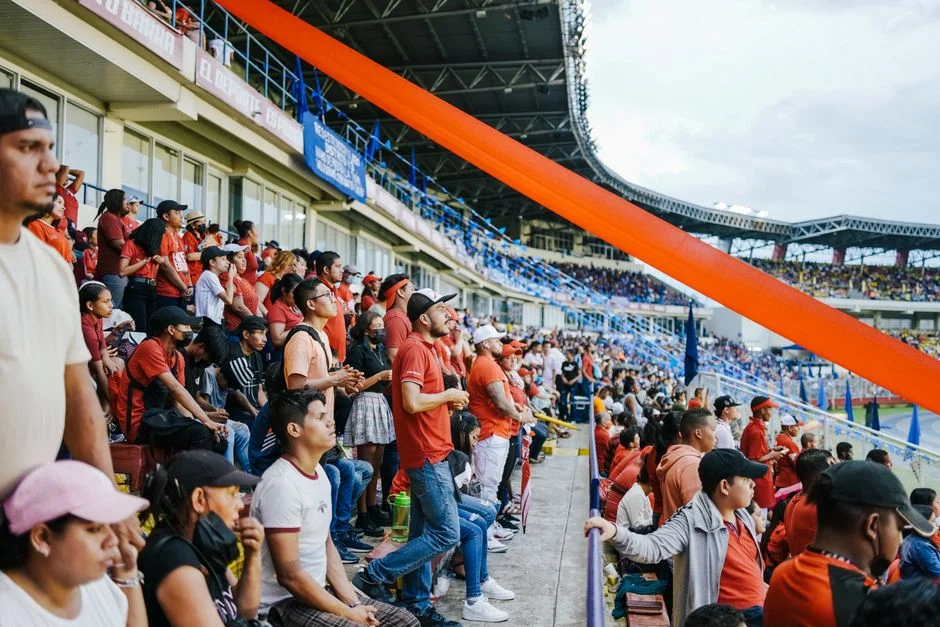
Supporters across major cities including Lagos, Abuja, and Port Harcourt have voiced their disappointment since the elimination was confirmed. Social media platforms have been flooded with criticism directed at the Nigeria Football Federation. Many fans are calling for structural reforms within the national team setup to prevent similar failures in future qualification campaigns.
What This Means for Nigerian Football
The consequences extend beyond missing one tournament. Sponsors have already begun reassessing their commitments to the national team programme. Young footballers in Nigeria now face the prospect of growing up without the inspiration of watching their country compete at the world's biggest stage. The economic impact on sports-related businesses in Lagos and other commercial hubs is expected to be substantial.
Structural Problems Behind the Crisis
Football analysts point to systemic issues within Nigerian football governance as key factors in the qualification failure. Inadequate preparation for crucial matches, inconsistent team selection, and administrative disputes have plagued the federation in recent years. The lack of a stable coaching setup has also contributed to the team's inability to perform under pressure during qualification fixtures.
Regional Context and Rivalries
Nigeria's absence will be felt particularly in West African football circles. Rival nations like Ghana, Cameroon, and Senegal will represent the continent without Nigeria's participation. The void creates a significant gap in African representation at a tournament that Nigeria has historically helped to illuminate with their performances, including their memorable run to the round of 16 in the 1994 and 2018 editions.
What Comes Next for Nigerian Football
The Nigeria Football Federation faces immediate pressure to rebuild and plan for the 2030 World Cup qualification cycle. Wike and other political figures have suggested that fundamental changes are needed in how the sport is managed domestically. The focus now shifts to whether reforms can be implemented quickly enough to restore Nigerian football to its former standing on the continental and global stage. Fans will be watching closely to see if accountability measures translate into actual improvements within the federation's structure.
See Also
- Ignore false alarm on insecurity – Kogi Govt. urges citizens, travellers
- Nigeria ‘ll emerge stronger from current challenges- Abdusalami
The economic impact on sports-related businesses in Lagos and other commercial hubs is expected to be substantial.Structural Problems Behind the CrisisFootball analysts point to systemic issues within Nigerian football governance as key factors in the qualification failure. The void creates a significant gap in African representation at a tournament that Nigeria has historically helped to illuminate with their performances, including their memorable run to the round of 16 in the 1994 and 2018 editions.What Comes Next for Nigerian FootballThe Nigeria Football Federation faces immediate pressure to rebuild and plan for the 2030 World Cup qualification cycle.