For decades, Ayetoro earned its nickname. The coastal settlement on Nigeria's Atlantic shore bustled with fishermen, traders, and families who built schools, churches, and markets along a strip of land that seemed permanent. Today, the ocean is taking it back. Entire neighbourhoods have vanished beneath rising waters, forcing roughly 10,000 residents to abandon homes their grandparents constructed.
The sea advanced metres in a single storm season. Roads that once connected households now sit underwater. Children who learned to swim in nearby shallows now attend classes in temporary shelters kilometres inland.
A Community Built on Sand and Hope
Ayetoro—colloquially called Happy City—sat along a low-lying coastal plain in Lagos State, where the Atlantic meets a network of lagoons and marshland. The settlement grew organically over generations, its residents drawn by fishing opportunities and trade routes that connected Lagos to neighbouring communities.
Local fishermen sold catch daily at markets that supplied surrounding villages. A primary school served children from at least three surrounding districts. The community organised itself around a traditional council of elders, with land passed down through families for more than 60 years, according to accounts from long-term residents.
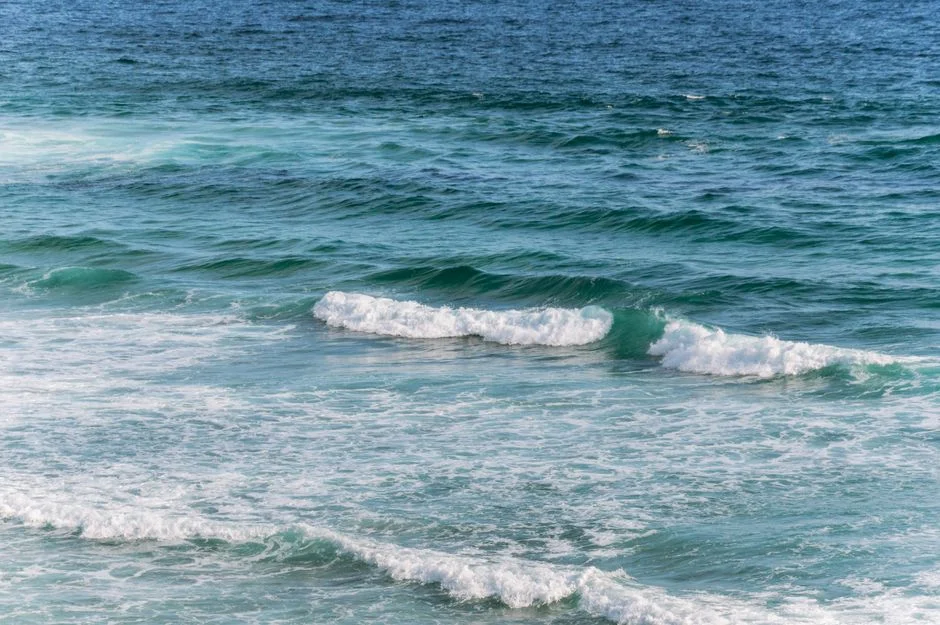
That inheritance is disappearing. What was once a 200-metre buffer between households and the shoreline has eroded to almost nothing. In places, the ocean now reaches within 15 metres of structures that were considered safely inland when they were built.
The Ocean's Relentless Advance
Coastal erosion has plagued this stretch of Nigeria's shoreline for years, but residents and local officials say the pace has accelerated dramatically since 2019. Satellite imagery reviewed by local media outlets shows significant coastline retreat between 2020 and 2024.
The Nigerian Meteorological Agency has documented increased storm intensity along the Atlantic coast during this period. Warmer sea surface temperatures, linked to broader climate patterns, have intensified coastal storm surges that batter the region each rainy season.
Local government officials in the area confirmed that at least 47 households lost structures to erosion between January and September this year alone. The rate of loss exceeds anything recorded in previous decades, according to the Ojo Local Government Area secretariat.
Residents Describe the Destruction
"The sea took everything away," said Mercy Adeyemi, 54, who fled Ayetoro last month with her four grandchildren. She spoke from a relative's compound in the town of Badagry, roughly 12 kilometres from her former home. "We woke up and the wall of our house had collapsed into the water. By evening, the foundation was gone."
Adeyemi is not alone. The International Organisation for Migration reported that internal displacement from coastal communities in Lagos State has increased by 23 percent over the past two years, driven primarily by erosion and flooding.
Other residents described watching the process unfold helplessly. Concrete foundations that once supported family homes now sit isolated in shallow water, accessible only by canoe. In one documented case, a family returned from visiting relatives to find their entire plot submerged.
The Human Cost Beyond Property
The loss of structures is inseparable from the loss of livelihood. Fishing crews who operated from Ayetoro's shore have been forced to relocate to informal sites further inland, reducing their access to boats and equipment. Market traders who depended on daily foot traffic now serve a fraction of their former customer base.
The primary school that once enrolled 180 pupils now has fewer than 40 students enrolled, according to the Lagos State Universal Basic Education Board. Teachers have transferred to schools in safer areas. The remaining children attend classes in a community hall that floods during heavy rains.
Health services have similarly contracted. A mobile health clinic that visited monthly ceased operations after roads became impassable. Pregnant women in the remaining households must travel 18 kilometres to reach the nearest functional antenatal clinic.
Government Response Falls Short
The Lagos State Government has allocated funds for coastal protection works in selected areas, but Happy City has not been among the beneficiaries. State emergency management officials cited competing priorities across a coastline that stretches more than 180 kilometres.
Community leaders submitted a formal petition to the state government in March, requesting either coastal defence infrastructure or organised relocation assistance. Six months later, they have received no official response, according to the Ayetoro Development Association.
Federal authorities have acknowledged the broader problem. The Ministry of Environment recently announced a national coastal vulnerability assessment, with results expected next year. But critics say the timeline offers little comfort to families watching their homes dissolve into the Atlantic.
Relocation Plans Remain Uncertain
Some residents have taken matters into their own hands, packing belongings into trucks and relocating to informal settlements along the Lagos-Badagry corridor. These sites lack basic services—running water, consistent electricity, and reliable road access—but they sit above the flood line.
The Lagos State Emergency Management Agency stated that it has provided temporary shelter supplies to 134 families displaced from coastal communities this year. However, the agency acknowledged that longer-term housing solutions require coordination across multiple government agencies and remain under discussion.
Non-governmental organisations operating in the region have stepped in where government has not. At least two charities have established temporary learning centres for displaced children, while a local faith-based group distributes food supplies weekly to families sheltering in the Badagry area.
What Comes Next for Those Who Remain
For the estimated 600 households still living in Ayetoro, decisions cannot wait for bureaucratic timelines. The rainy season typically intensifies in September, bringing higher storm surges that historically cause the worst erosion damage. Many families are weighing whether to stay one more season or cut losses now.
Those who remain are building makeshift barriers—stacked sandbags, repurposed shipping containers—against water that has already proven it will not stop. Local masons report brisk business constructing elevated foundations for new structures, a futile gesture in the view of many engineers.
What happens to Happy City will likely be determined in the next six months. Either the sea takes it, or the state intervenes with the kind of massive infrastructure project that has protected other coastal areas. For residents like Mercy Adeyemi, watching from 12 kilometres away, the outcome feels predetermined.
"We built something there," she said. "Generations of people lived and died in that place. Now it is just fish and water."
See Also
- Audacious Mastery Launches Johnnie Walker Blue Society with Exclusive Dinner in Lagos
- Visakhapatnam Biodiversity Park Celebrates 25 Years: What This Means for Africa
State emergency management officials cited competing priorities across a coastline that stretches more than 180 kilometres. But critics say the timeline offers little comfort to families watching their homes dissolve into the Atlantic.