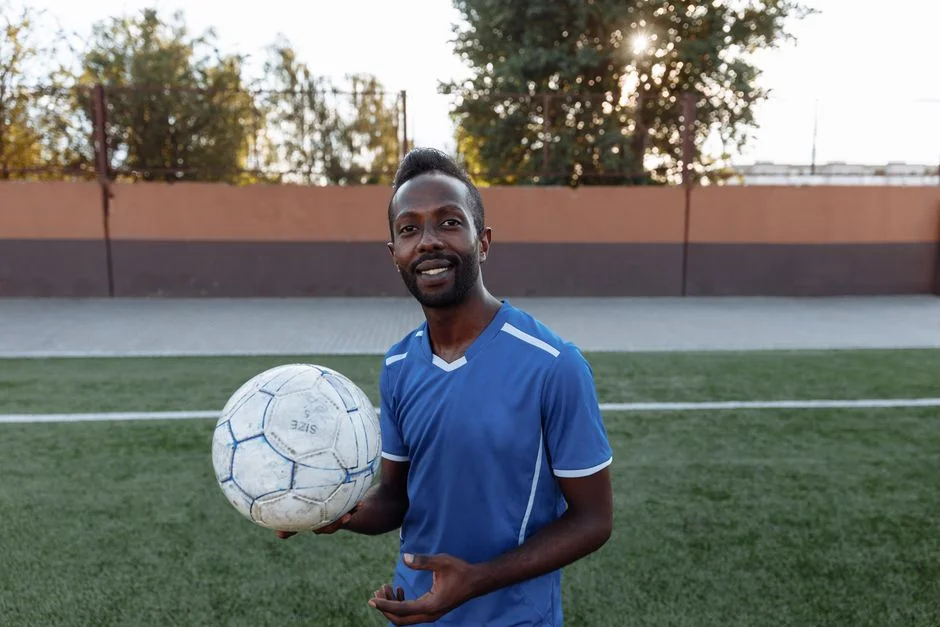
The question has haunted African football for decades. Despite producing some of the world's most talented players and investing millions into domestic leagues, national teams from the continent have repeatedly failed to advance beyond the quarter-finals at FIFA World Cup tournaments. Now, with the 2026 World Cup qualification cycle underway, analysts are asking whether this generation of African squads can finally end that drought.
The Quarter-Final Wall
No African team has ever reached the World Cup semi-finals. Cameroon came closest in 1990, losing to England in the last eight. Ghana reached the same stage in 2010 but was eliminated by Uruguay in a penalty shootout. Since then, the continent's representatives have struggled to replicate that feat, with most bowing out in the group stages or round of 16.
The statistics tell a sobering story. Across 22 World Cup tournaments, African nations have combined for just eight quarter-final appearances. Contrast that with European and South American teams, which have amassed hundreds of last-eight finishes between them. This disparity has sparked widespread debate about whether African football infrastructure, coaching standards, or tournament experience explains the gap.
Qualification Race Heats Up
As qualification for the 2026 World Cup continues, several African nations are positioning themselves as strong contenders. South Africa's Bafana Bafana, despite their historic 2010 campaign as hosts, face an uphill battle through the competitive CAF qualification process. Meanwhile, traditional powerhouses like Senegal, Morocco, and Cameroon have begun assembling squads capable of deeper runs.
Regional Competition Intensifies
Each qualification zone in CAF allocates a limited number of spots, forcing traditional powers to battle against rising challengers. Burkina Faso, Tunisia, and Algeria have all shown they can compete at the highest level, making the path to the World Cup even more congested for established nations.
What Sets Top African Teams Apart
Scouts and coaches who have worked across both African and European football point to several factors that distinguish the continent's strongest sides. Mental fortitude in high-pressure knockout matches often emerges as the most significant hurdle. Many African players perform brilliantly in group stages but struggle when elimination becomes a real possibility.
Tactical discipline also plays a role. While African clubs have invested heavily in foreign coaching expertise, national team setups sometimes lack the consistent preparation time their European counterparts enjoy. With players scattered across European leagues, coaches have limited windows to implement complex systems.
Scouting the Next Generation
Grassroots development programmes across Nigeria, Ghana, South Africa, and Kenya are beginning to show results. Young talents emerging from these systems are attracting attention from major European clubs at increasingly early ages. The hope is that earlier exposure to professional environments will produce players better equipped for World Cup pressure.
Nigeria's youth development system has produced several players currently featuring in top European leagues. These athletes, if properly integrated into the national team setup, could provide the creative spark needed to finally breach the quarter-final barrier.
Opposition Scouting
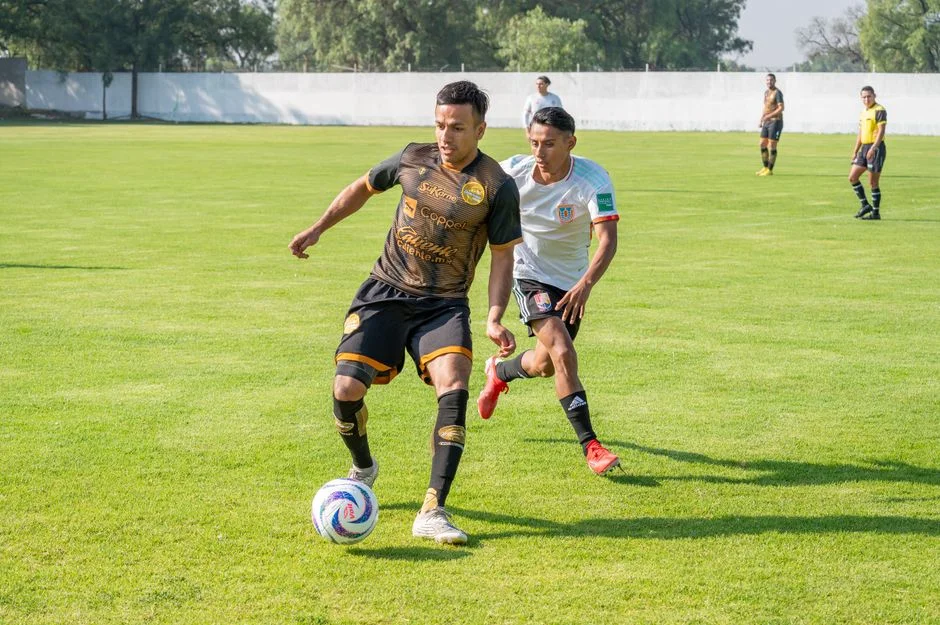
For teams like South Africa, understanding their potential opponents becomes crucial. In past tournaments, African sides have sometimes struggled against technically superior but less physically imposing opponents. Matches against teams from CONCACAF, including Mexico, have historically produced mixed results for African nations.
Mexico, in particular, represents the kind of opponent that can expose tactical weaknesses. Their fluid attacking style and tournament experience make them dangerous for any African side drawn against them in the knockout rounds.
What Comes Next
The CAF qualification schedule will determine which African nations earn their place at the 2026 World Cup. Fans across the continent will be watching closely as traditional powers navigate their groups. The real test, however, will come when the tournament begins and those teams face the moment they have been building toward for years.
Whether 2026 marks the end of Africa's quarter-final curse or another near-miss will depend on factors ranging from squad selection to in-game management. For now, supporters can only wait and assess which nations appear best positioned when qualification concludes next year.
See Also
- Yoruba Culture Revives Abula Game — Local Communities Rally for Support
- Microsoft Bets on Edge Data Centres Across Africa — And Nigeria Stands to Gain