Research from Stellenbosch University shows Africa's Marine Protected Areas are delivering measurable gains for both coastal communities and ocean ecosystems. Dr Francis Vorhies, an economist at the university's African Wildlife Economy Institute, led an analysis examining how these designated ocean zones function as economic engines while preserving marine biodiversity.
What the Research Found
The study analysed marine zones across sub-Saharan Africa and found that protected areas correlate with improved fish stocks in surrounding waters. Communities living adjacent to these zones reported more stable catches over multiple seasons. Dr Vorhies described the dual benefit as a model other regions could replicate.
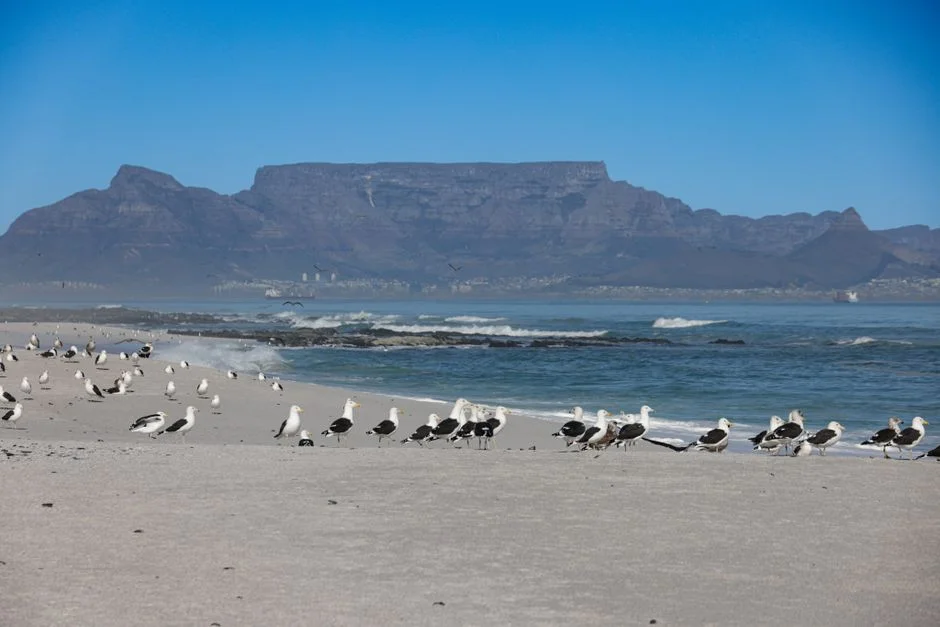
Marine Protected Areas work by restricting industrial fishing in core zones while allowing small-scale artisanal fishing in designated buffer areas. This approach keeps ecosystems intact while giving local fisherfolk a sustainable source of income.
Coastal Communities Depend on Healthy Oceans
Millions of Africans living along coastlines rely on fishing for their daily sustenance and income. Depleted fish stocks from overfishing threaten these livelihoods directly. The Stellenbosch research shows that protecting key ocean areas can reverse this trend within a decade.
Artisanal fishing communities face constant pressure from commercial fleets operating without restrictions. When ocean habitats degrade, small-scale fishers bear the heaviest burden. They lack the capital to travel further offshore or invest in new equipment. Marine Protected Areas give these waters a chance to recover.
The Science Behind Ocean Recovery
Marine Protected Areas function by allowing ecosystems to regenerate naturally. Fish populations inside fully protected zones grow larger and more numerous. These healthy populations spill over into adjacent waters, boosting catches for nearby fishers.
Dr Vorhies noted that the economic value of this spillover effect often exceeds what was lost to fishing restrictions. His analysis calculated that coastal communities adjacent to well-managed marine zones see average catch increases of 30 percent within five years of establishment.
Balancing Conservation and Livelihoods
Not all Marine Protected Areas succeed equally. The research identified several factors separating effective zones from those that fail. Successful areas have clear boundaries, adequate enforcement, and genuine community involvement in management decisions.
Zones imposed without consulting local fishers often face resistance and illegal fishing. Communities that participate in planning and receive a share of tourism revenue become guardians rather than opponents of conservation.
Funding Remains a Challenge
Many African nations lack resources to patrol vast ocean territories effectively. Stellenbosch researchers pointed to successful models where community ranger programmes combined with satellite monitoring have reduced illegal fishing significantly.
International conservation funding has increased for marine protection in recent years. However, researchers argue that domestic investment will determine long-term sustainability. Building local economies around sustainable fishing and marine tourism creates incentives for protection that external funding cannot match.
What Comes Next
Several African governments are expanding their marine protection networks following positive results from early adopters. Tanzania recently extended its marine park boundaries, while Kenya strengthened enforcement in existing reserves.
Dr Vorhies and his team plan to publish follow-up research examining specific country case studies. They will focus on how Marine Protected Areas can be designed to maximise benefits for the most vulnerable coastal communities. Watch for that report in the coming months.
See Also
- Wasoko Co-Founder Daniel Yu Launches $100 Million Fund to Boost African Jobs
- Punjab Man Fills 1,000-Litre Diesel Tank Amid Tensions: What This Means for Nigeria
His analysis calculated that coastal communities adjacent to well-managed marine zones see average catch increases of 30 percent within five years of establishment. Stellenbosch researchers pointed to successful models where community ranger programmes combined with satellite monitoring have reduced illegal fishing significantly.
What is the latest news about stellenbosch university study confirms marine protected areas boost coastal economies?
Why does this matter for economy-business?
What are the key facts about stellenbosch university study confirms marine protected areas boost coastal economies?