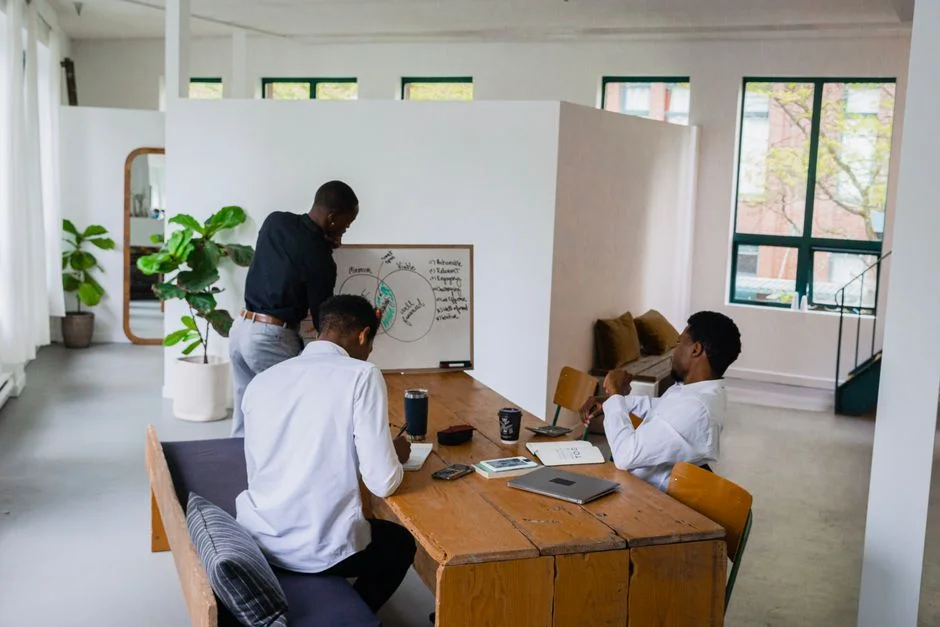
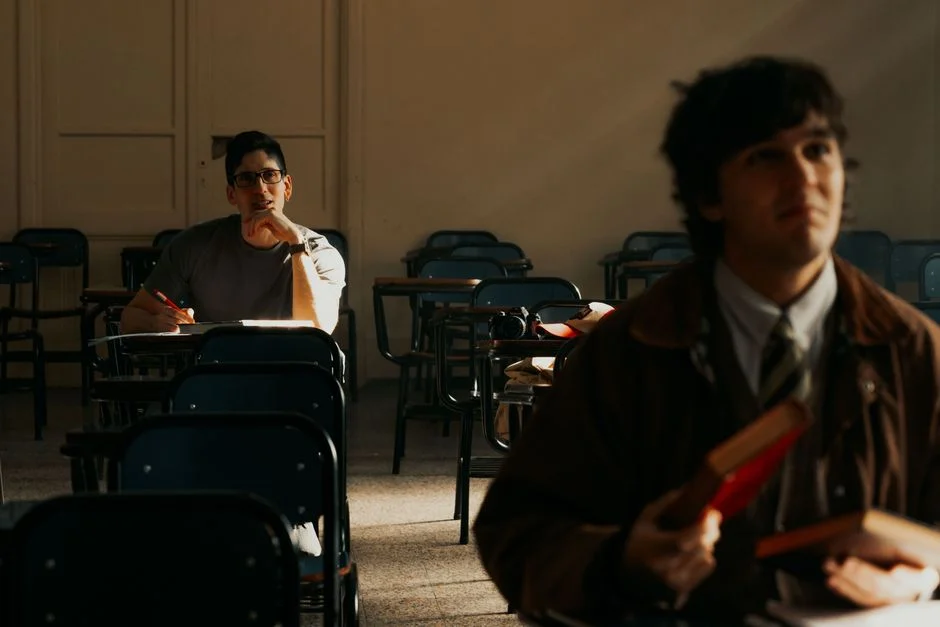
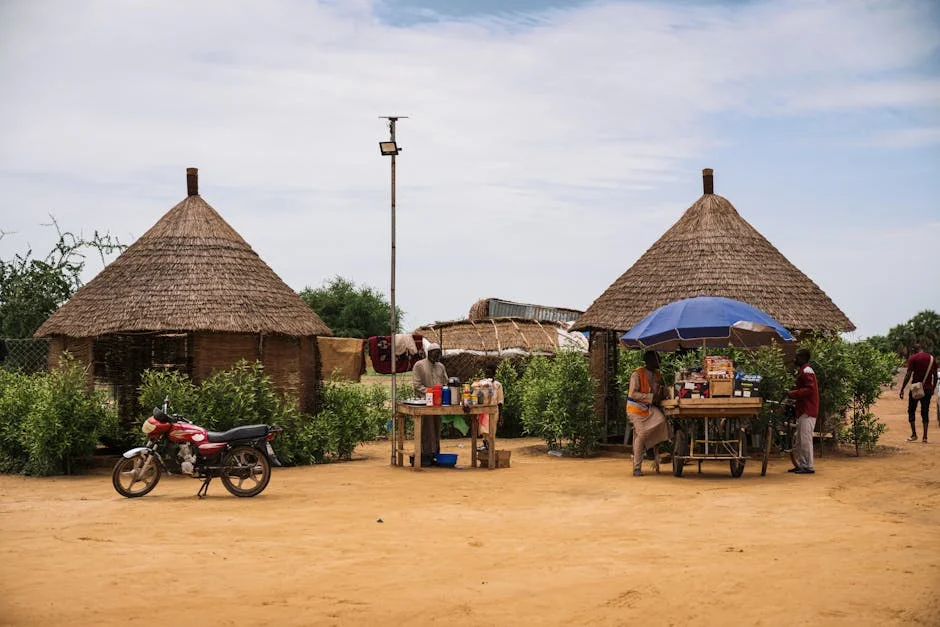
A new visual news format launched by The Citizen newspaper on 3 June 2026 is changing how South Africans consume daily headlines. Picture editors at the Johannesburg-based publication introduced a "24 hours in pictures" feature that compresses a full day of national and regional events into a curated image-based format.
Visual Journalism Takes Centre Stage
The Citizen, one of South Africa's longest-running daily newspapers, unveiled its new picture-led approach during June 2026. Picture editors spent weeks developing the format, which prioritises striking imagery over lengthy text reports. The feature appears both in the print edition and across the publication's digital platforms, giving readers a rapid-fire visual summary of events that shaped the past 24 hours.
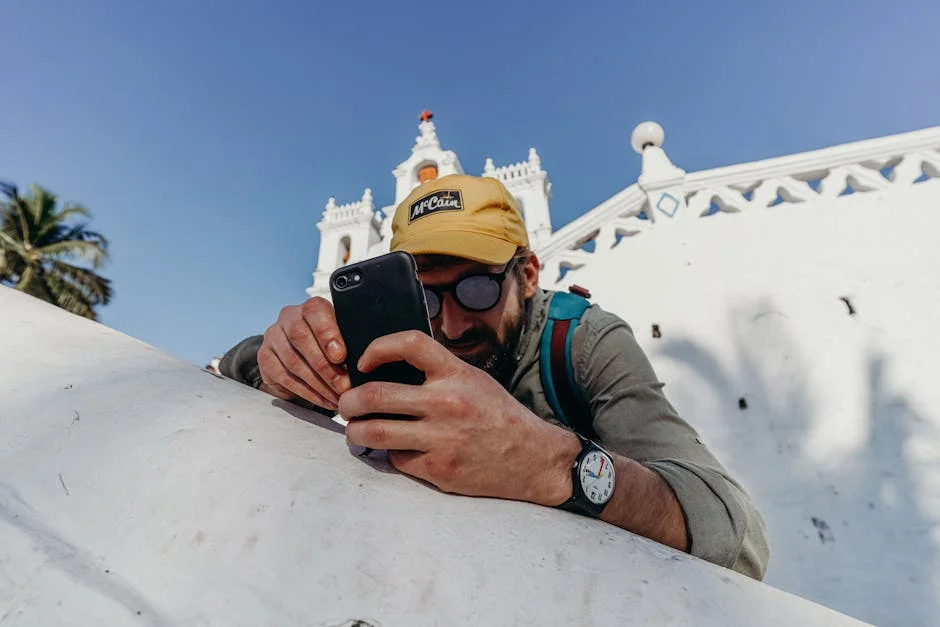
Newspaper executives confirmed the format targets readers who scroll through news feeds on mobile devices. Instead of reading five separate articles about different events, audiences now see a single image gallery accompanied by brief captions. Picture editors select each photograph based on composition, relevance, and emotional impact.
Why Nigerian Readers Should Take Notice
The shift toward visual news formats matters across the continent. Nigerian media consumers increasingly encounter South African content through social media shares and regional news aggregators. When a major Johannesburg publication changes how it presents information, the ripple effects reach audiences in Lagos, Abuja, and Port Harcourt.
South Africa and Nigeria share deep economic ties. Trade agreements, cross-border investments, and diplomatic exchanges mean that events in Johannesburg often have direct consequences for Nigerian businesses and workers. A faster, more visual news format means citizens in both countries can track regional developments with greater speed.
Media Standards Across Borders
The Citizen's move also signals a broader trend in African journalism. Publications across the continent are competing for younger readers who prefer video clips and image galleries over traditional text-heavy articles. This pressure forces editors to rethink layouts, shorten copy, and invest in photography teams. Nigerian newsrooms face the same dilemma. The decisions made by picture editors in Johannesburg today may influence how editors in Lagos and Kano structure their pages tomorrow.
Community Response and Reader Habits
Early feedback from South African readers shows divided opinions. Some praised the format for fitting more stories into their morning commute. Others worried that brief captions sacrifice the context needed to understand complex issues. The debate mirrors conversations happening in Nigerian newsrooms, where editors balance depth against accessibility.
Community journalists in Cape Town noted that picture-led formats work well for local government stories. A single photograph of a pothole or a protest march communicates the issue faster than a 500-word report. In Nigeria, similar dynamics play out in regional coverage, where readers in rural areas often rely on photographs to understand national policy changes.
What Gets Left Out of the Frame
Critics argue that visual-first journalism risks oversimplifying stories that deserve careful analysis. Economic policy shifts, court rulings, and diplomatic negotiations rarely fit into a single photograph. Picture editors must make difficult choices about which events deserve screen space, and those choices shape public understanding.
The Citizen's editorial team acknowledged this concern. In a statement published alongside the launch, the paper said the picture format supplements rather than replaces traditional reporting. Readers who want full coverage can still access in-depth articles by clicking through the image gallery. The question remains whether most readers will take that extra step.
Economic Pressures Driving the Change
Newspaper advertising revenue has declined across Southern Africa over the past decade. Publications face mounting pressure to reduce costs while maintaining audience engagement. Visual formats require fewer journalists to produce. A small team of picture editors can curate a day's worth of events faster than a full reporting desk writing individual articles.
This economic reality affects Nigerian media too. Publications in Lagos and Abuja have experimented with shorter articles, more photographs, and social-media-first strategies. The Citizen's experiment provides a case study in whether visual formats can sustain readership without eroding journalistic standards.
Looking Ahead: What to Watch
Industry observers will track The Citizen's readership data over the coming months. If the picture format boosts online traffic and subscription renewals, other South African publications will likely follow. Nigerian media companies are watching closely. The outcome could reshape how millions of readers across both countries receive their daily news.
Readers should monitor whether The Citizen expands the feature, adds video components, or returns to text-heavy layouts. The decision will signal whether visual journalism represents a lasting shift or a temporary experiment. For citizens in Johannesburg and Lagos alike, the answer affects the kind of information they receive and how quickly they receive it.
See Also
- Southwest Airlines Delayed By 70-Pound Robot Bebop
- South Africa Faces Escalating Ransomware Wave — What Nigeria Must Watch