South Africa's national football team, Bafana Bafana, is building its 2026 FIFA World Cup squad around players who have come through the domestic league, with head coach Hugo Broos signalling a clear preference for homegrown talent over foreign-based players.
Broos Backs Local League Products
The Belgian coach has repeatedly stated his belief that South African Premier Division players deserve first consideration for World Cup qualification matches. Broos took charge in 2021 and has since championed the development of local talent, arguing that players competing in the domestic league offer tactical familiarity and hunger that overseas-based stars sometimes lack.
The 2026 World Cup, co-hosted by the United States, Canada, and Mexico, represents the biggest stage in international football. For South African players, it is quite simply the ultimate global shop window. Clubs across Europe, the Middle East, and Asia routinely scout World Cup tournaments for emerging talent.
What the 2026 World Cup Means for South African Football
South Africa qualified for the World Cup only once before, in 2010, when the nation hosted the tournament. That campaign generated significant revenue for local businesses, filled hotels across Johannesburg, Cape Town, and Durban, and left a lasting cultural imprint on the country. Communities that hosted matches reported sustained economic benefits for years afterward.
The 2026 qualification campaign puts Bafana Bafana in direct competition with African nations for a limited number of spots. CAF has allocated nine automatic qualification places for Africa at the expanded 48-team tournament. Every point earned in qualification matches matters enormously for the squad's trajectory.
Domestic League as a Development Platform
South Africa's top clubs, including Mamelodi Sundowns, Orlando Pirates, and Kaizer Chiefs, have long served as nurseries for national team talent. Sundowns in particular has developed players who have subsequently moved to clubs abroad, demonstrating the league's capacity to produce competitive footballers.
Broos has attended numerous Premier Division matches personally, scouting players in their natural environment rather than relying solely on match footage. This hands-on approach reflects his conviction that domestic league players can perform at the highest level when given proper opportunity.
Economic Stakes for Local Communities
Should Bafana Bafana qualify for the 2026 World Cup, the ripple effects would extend far beyond the pitch. Hospitality businesses, transport operators, and informal traders in host cities stand to benefit substantially. The 2010 experience showed how World Cup qualification can galvanise entire communities, creating temporary employment surges and long-term infrastructure improvements.
Players Eyeing the Global Stage
Several domestic-based players have publicly expressed their ambition to force their way into Broos's plans. For these footballers, the World Cup represents not just national pride but a potential career-defining opportunity. A strong performance against international opponents could attract attention from clubs overseas, fundamentally altering a player's earning potential and professional trajectory.
The domestic league's reputation also hangs in the balance. Success at the World Cup by homegrown players would validate South Africa's football development system and could attract foreign investment into the Premier Division.
Challenges and Competition
South Africa faces stiff competition from nations like Ghana, Egypt, and Cameroon for those precious CAF qualification spots. Broos must balance experience with fresh energy, selecting a squad capable of competing against established football powers while maintaining the tactical discipline that domestic players typically demonstrate.
The qualification schedule will demand intense physical and mental preparation over the coming months. Domestic clubs will need to manage player workloads carefully to ensure their stars arrive at national team duty in peak condition.
What Comes Next for Bafana Bafana
FIFA will announce the official qualification match dates and format for the African region in the coming months. Broos is expected to name an extended training camp squad ahead of the qualification window, giving domestic players a chance to prove their credentials.
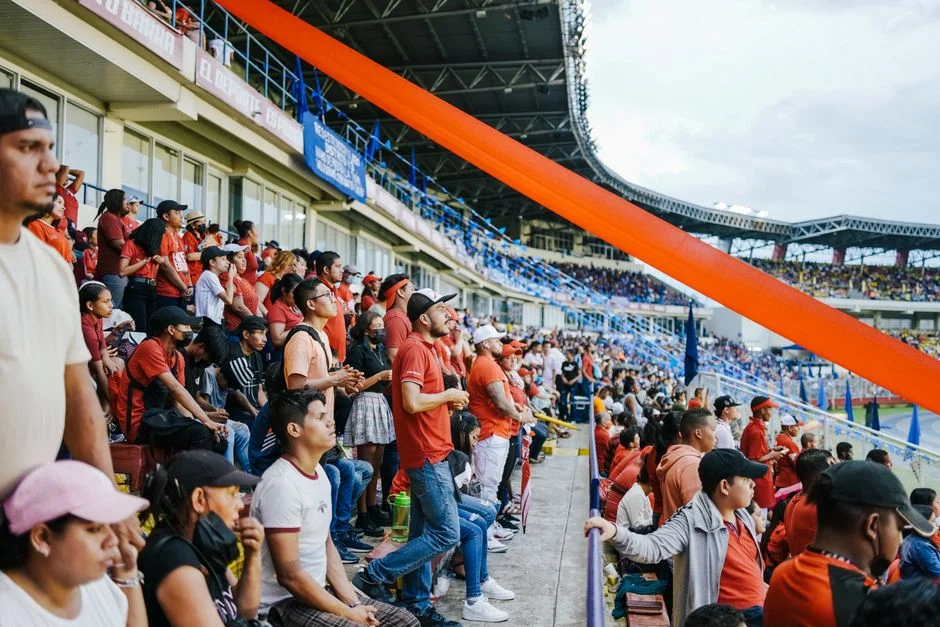
South African football fans will be watching closely. For many supporters, the prospect of watching homegrown talent perform on the world stage carries a particular emotional weight that overseas-based stars simply cannot match. The domestic core represents something genuinely South African, a team built from the local game rather than imported from abroad.
Qualification matches are expected to begin later this year. Should South Africa secure their place, matches would be held across North American venues, bringing South African football to an entirely new continental audience. The window for Bafana Bafana to make their case starts now.
See Also
- Paulos Sello Mahlangu Exposes R4.77bn Industrialist Legacy Dispute in South Africa
- IOM Rescues 67,000 Stranded Nigerian Migrants Amid Ongoing Crisis
The domestic core represents something genuinely South African, a team built from the local game rather than imported from abroad. Economic Stakes for Local Communities Should Bafana Bafana qualify for the 2026 World Cup, the ripple effects would extend far beyond the pitch.