South Africa's wildlife tourism landscape is evolving as the 'Little Five' animals—elephant shrew, ant lion, buffalo weaver, rhinoceros beetle, and leopard tortoise—gain recognition. This shift, announced by the South African Ministry of Environment, Forestry and Fisheries, seeks to diversify tourist interest and boost local economies in regions reliant on wildlife tourism.
Understanding the 'Little Five'
The 'Little Five' serves as a complementary attraction to the more famous 'Big Five'—lion, leopard, elephant, buffalo, and rhinoceros. According to the South African Tourism Department, the Little Five initiative aims to encourage visitors to appreciate all forms of wildlife, potentially increasing the time tourists spend in various regions, including Kruger National Park and Addo Elephant Park.
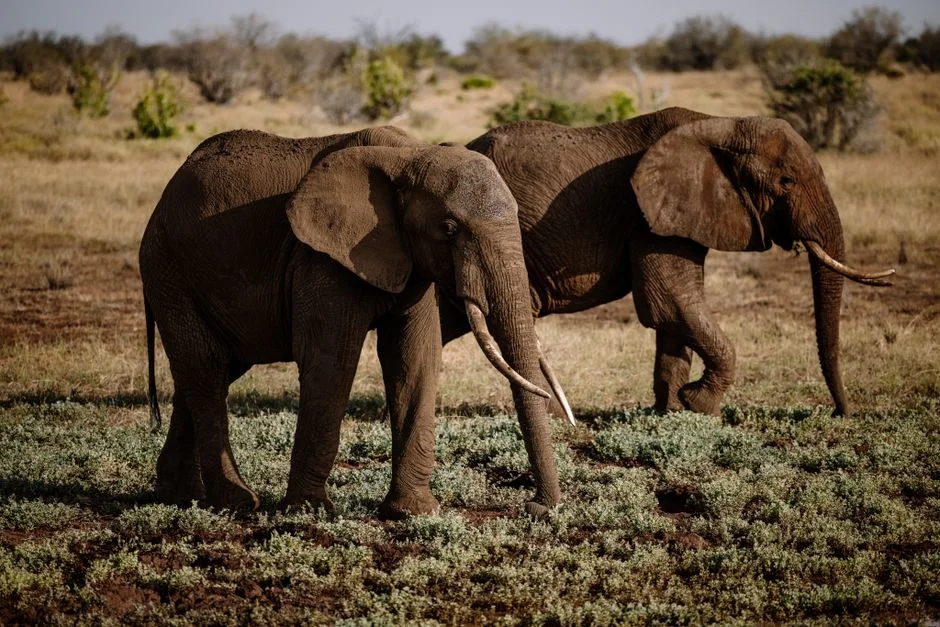
This newly promoted group of animals not only sparks interest among tourists, but it also aims to educate visitors about the ecosystem's complexity and the importance of smaller creatures. These lessons can resonate with tourists and local communities alike, fostering a greater appreciation for biodiversity.
Benefits for Local Communities
Tourism is a significant part of South Africa's economy, generating billions annually. In 2021, the country saw a 25% increase in wildlife tourism from the previous year, demonstrating a growing interest in safari experiences. The Little Five initiative is expected to build on this trend, providing economic opportunities for communities surrounding wildlife parks.
Local businesses, including lodges, tour operators, and craft markets, stand to benefit from increased visitor numbers. Communities are encouraged to engage in conservation efforts, which can lead to job creation and sustainable practices. For instance, the Elephant Shrew Conservation Project in Mpumalanga has provided training and employment for locals, showcasing the potential for economic growth linked to wildlife preservation.
Challenges Ahead for Conservation Efforts
Despite the optimism surrounding the Little Five, conservationists warn of potential challenges. Habitat loss and human-wildlife conflict remain significant threats. A study conducted by the World Wildlife Fund (WWF) revealed that up to 60% of South African wildlife habitats are under threat from urbanisation and agriculture.
Implementing conservation measures and ensuring local communities benefit from wildlife tourism will be essential in mitigating these issues. The South African government, alongside various NGOs, is working on strategies to balance economic growth and environmental sustainability.
Regional Impact and Response
Nigeria, as one of South Africa's key tourism markets, could see ripple effects from the Little Five phenomena. Nigerian tourists, eager for unique experiences, may be attracted to destinations that promote diverse wildlife. Increased awareness and interest could lead to partnerships between South African parks and Nigerian travel agencies to create tailored packages.
Additionally, understanding the Little Five can encourage Nigerian conservationists to advocate for local wildlife protection efforts, exploring the potential of promoting its own lesser-known species to boost tourism and conservation awareness.
Future Prospects for Wildlife Tourism
As the Little Five gains traction, South African authorities are planning educational campaigns and interactive experiences to engage tourists. Scheduled for late 2024, a nationwide wildlife festival will celebrate both the Little and Big Five, encouraging participation from local artisans and conservation groups.
This initiative not only aims to elevate tourism but also strengthens community ties, bringing together locals and visitors in a shared appreciation for wildlife. With the right strategies and community involvement, the Little Five could become a transformative aspect of South Africa's wildlife tourism narrative, with implications reaching beyond its borders.
See Also
- African Risk Capacity Partners with TrustAfrica to Transform Disaster Relief
- Ninety One Reveals How It Plans to Defend Portfolios Against Market Volatility
The South African government, alongside various NGOs, is working on strategies to balance economic growth and environmental sustainability.Regional Impact and ResponseNigeria, as one of South Africa's key tourism markets, could see ripple effects from the Little Five phenomena. A study conducted by the World Wildlife Fund (WWF) revealed that up to 60% of South African wildlife habitats are under threat from urbanisation and agriculture.Implementing conservation measures and ensuring local communities benefit from wildlife tourism will be essential in mitigating these issues.
What is the latest news about south africa unveils little five how it shifts wildlife tourism focus?
Why does this matter for agriculture-food?
What are the key facts about south africa unveils little five how it shifts wildlife tourism focus?