Nigeria's governors announced a proposal to establish a new national minimum wage of ₦100,000, which could significantly impact the daily lives of citizens across the country. This decision, confirmed during the Nigeria Governors' Forum meeting in Abuja on Tuesday, aims to address the rising cost of living and improve the economic conditions for workers.
Details of the Proposal
The proposed minimum wage would replace the current amount of ₦30,000, a figure established in 2019. With inflation rates soaring and basic goods becoming increasingly expensive, the governors believe this revision is timely and necessary. The new minimum wage aims to provide workers with a living wage that reflects the current economic climate.
Economic Context
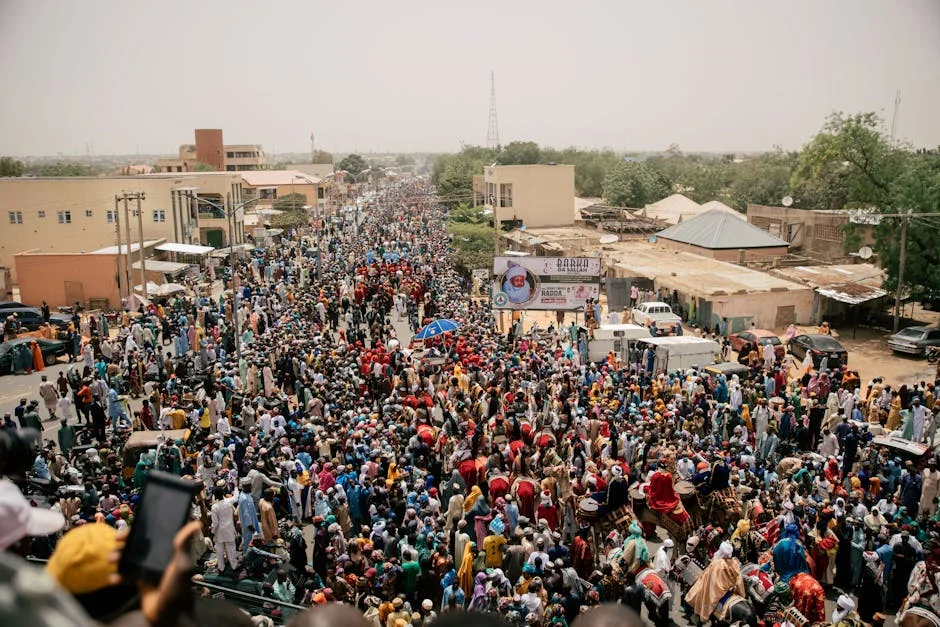
Nigeria is grappling with severe economic issues, including a high inflation rate of 22.79% as reported by the National Bureau of Statistics in September 2023. Prices for essential goods have surged, affecting the purchasing power of average citizens and leading to increased hardship in communities. The governors argue that updating the minimum wage will help workers cope with these economic pressures.
Community Reactions
The proposed wage increase has sparked mixed reactions from various sectors of society. Some community leaders and workers have welcomed the initiative, stating that it could provide necessary relief for families struggling to make ends meet. Others, however, have raised concerns about how this increase might affect businesses and the potential for job losses if companies struggle to meet the new wage requirements.
Support from Labour Unions
Labour unions across Nigeria have expressed support for the proposed increase, arguing that it is essential for ensuring fair compensation for workers. According to the Nigeria Labour Congress (NLC), many workers are currently unable to afford basic amenities, making this proposal a step in the right direction.
Opposition from Business Owners
Conversely, some business owners warn that a sudden rise in the minimum wage may force small and medium enterprises to cut jobs or reduce hours to cope with increased payroll costs. The Lagos Chamber of Commerce and Industry has already voiced concerns about the potential negative impacts on the local economy and employment rates.
The Role of the Federal Government
The proposal now awaits the Federal Government's approval, which is crucial in determining the wage's implementation. If approved, it could become a binding legal requirement, impacting millions of workers nationwide. The Federal Government's stance on this issue will significantly shape the discussions around economic stability and worker rights in Nigeria.
Future Implications
Should the ₦100,000 minimum wage be implemented, it will mark a fundamental shift in Nigeria's approach to workers' rights and economic policy. The upcoming weeks will be crucial as stakeholders, including the Federal Government, business organisations, and labour unions, engage in dialogue regarding this proposal. Observers will be watching closely for any developments that could affect the local economy and community welfare.
What to Watch Next
Nigeria's governors are expected to meet again in November 2023 to discuss further steps regarding the proposed minimum wage. As stakeholders prepare for these discussions, citizens are left wondering how this decision could reshape their communities and everyday lives. With the potential for both positive and negative consequences on the horizon, the path forward remains uncertain.
See Also
- My first impressions in Nigeria — British Deputy High Commissioner
- South Africa and Botswana Urged to Unite Against FMD Threat