Nigeria's decision to prevent foreign football players from participating in domestic leagues has sent shockwaves across the sports community, impacting clubs and fans alike. This ban, announced by the Nigerian Football Federation (NFF) on 1st October 2023, aims to promote local talent but raises concerns about the quality of the game and economic repercussions.
The Ban's Implications for Clubs and Players
The NFF stated that the ban would apply to all tiers of domestic football, including the Nigeria Professional Football League (NPFL) and women’s leagues. Clubs must now restructure their teams, an expensive and complex process, with many likely facing financial difficulties. For instance, the NPFL, which attracts significant advertising and sponsorship revenue, might witness a decline as teams struggle to draw in fans without star players.
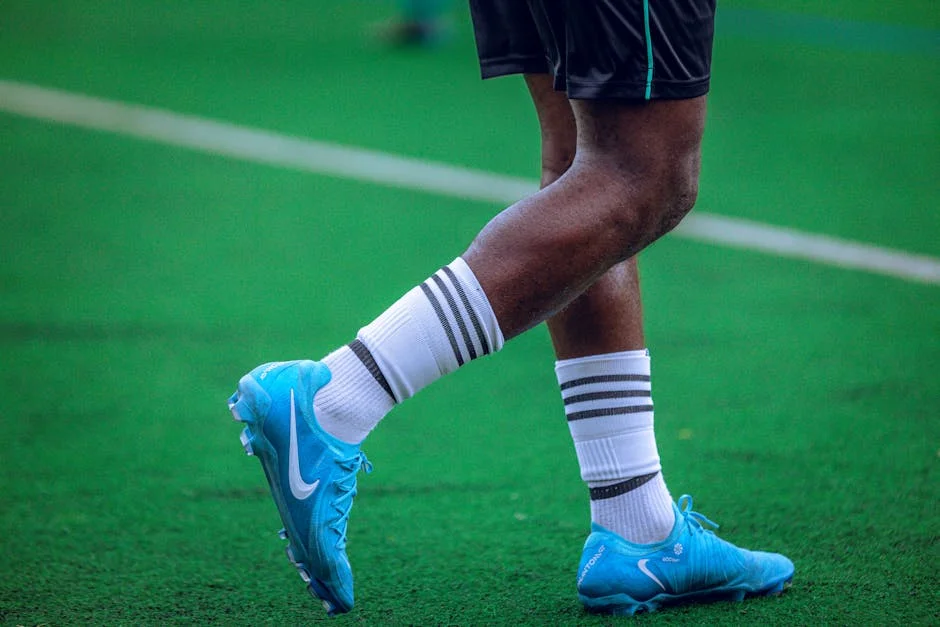
Local clubs in cities like Lagos and Port Harcourt are already feeling the pressure. For many, foreign players contribute to the commercial viability of the leagues. According to an NFF spokesperson, the aim is to bolster local talent development and ensure that Nigerians have leading roles in their national sport.
Local Fans and Communities React
Fans have expressed mixed feelings about the ban. While many support the idea of promoting homegrown talent, a significant portion fears that the decision could diminish the league's excitement and competitiveness. Local supporter groups, such as the Lagos Football Fans Coalition, have started petitions urging officials to reconsider the implications of this policy.
The economic impact on communities surrounding stadiums could also be profound. Local businesses, which rely on match-day sales, may suffer if the quality of football declines and attendance drops. A representative from a popular sports bar in Lagos mentioned, "We thrive on match days. If the games lose appeal, our business will crumble. We need a competitive league to survive."
The Economic Effects of Talent Restriction
The Nigerian economy could feel the pinch as well. With many international sponsors backing local teams, they may reconsider their investments if the league's visibility decreases. The NFF's decision to ban foreign players comes at a time when the country is already experiencing economic challenges, with youth unemployment exceeding 30%.
Analysts warn that the policy could have a long-term effect on Nigeria’s football development, as young players may miss out on learning from experienced internationals. The ban could also discourage foreign investment in youth academies and local clubs.
Future Prospects and Community Engagement
As the NFF pushes for this change, they are also planning initiatives to engage local communities in football development. The federation has announced a series of grassroots programmes aimed at nurturing young talent across Nigeria. These programmes will include training camps, workshops, and tournaments scheduled throughout 2024.
Community engagement in football could encourage greater participation from young players and bolster interest in local clubs. However, sceptics question whether these initiatives can compensate for the absence of experienced foreign players, who often serve as mentors.
What to Watch Next
As the ban takes effect, the focus will be on its impact on the upcoming NPFL season, set to begin in January 2024. Fans and analysts alike will be closely monitoring attendance figures and the overall quality of matches. There is also speculation about potential amendments to the policy if it fails to achieve its intended goals.
Further developments from the NFF will be crucial to understanding the future of Nigerian football. Expect open dialogues between the federation, clubs, and fans as they navigate these changes and their ramifications on the beautiful game.
See Also
- Tiwa Savage Empowers Africa's Future Musicians Through New Berklee Initiative
- Think Music Returns — Sippinpurpp Sparks Nigerian Music Revival
What is the latest news about nigeria bans foreign players from domestic football what fans need to know?
Why does this matter for culture-arts?
What are the key facts about nigeria bans foreign players from domestic football what fans need to know?