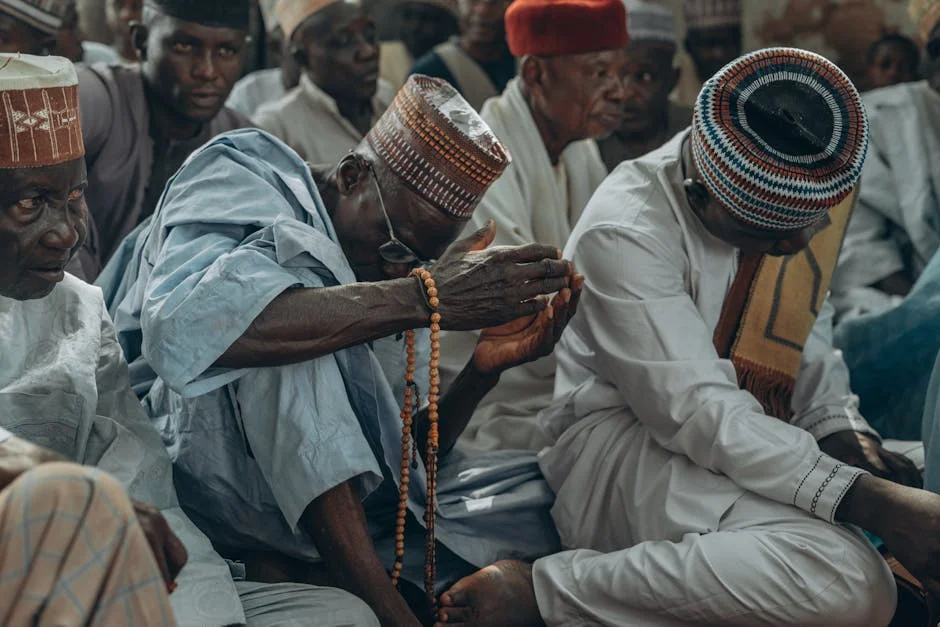
The Kwankwasiyya Movement has intensified efforts to garner support for candidates of the New Democratic Congress (NDC) as Kano State approaches its local elections on January 15, 2024. Leaders of the movement, including prominent figures like Rabiu Kwankwaso, gathered in Kano city to rally members and encourage a united front among their aspirants.
Kwankwasiyya Movement's Strategy for Local Elections
Kwankwasiyya's vocal support for the NDC candidates comes in response to recent political shifts within Kano. The movement aims to solidify its influence in the region by ensuring that its members collaborate effectively with nominated candidates in the upcoming elections. With the NDC poised to compete against established parties, the success of Kwankwasiyya candidates could significantly reshape the local political landscape.
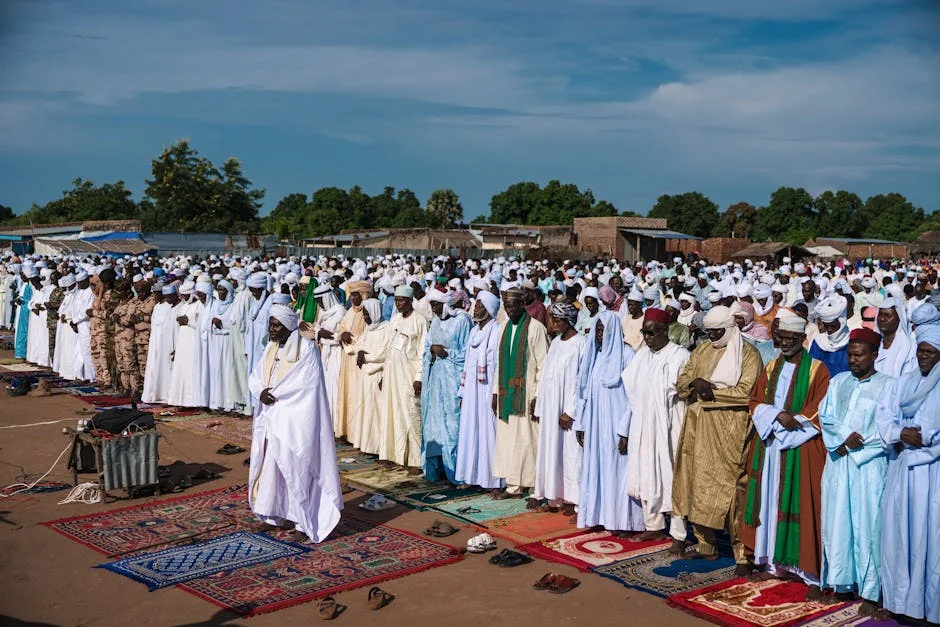
During the rally, Kwankwaso urged party members to focus on grassroots mobilization, stating, "Unity among our aspirants is essential for victory in the elections. We must work together to ensure that our candidates are well-supported in every community across Kano." This message reflects the movement's commitment to strengthening local governance and fostering community engagement.
Impact on Local Communities
The outcome of the January elections could have direct implications for residents of Kano State. If Kwankwasiyya candidates secure key positions, their policies and initiatives may lead to improved local services and development projects, addressing urgent community needs such as infrastructure and healthcare.
Feedback from residents indicates a growing discontent with previous administrations, with many citizens hopeful that new leadership could bring about significant improvements. According to a recent survey, 65% of Kano residents believe that local governance needs a fresh approach to effectively tackle existing issues.
The Kwankwasiyya Movement's Historical Context
The Kwankwasiyya Movement, founded by Rabiu Kwankwaso, has a long history of political activism in Kano. The movement emerged as a response to perceived governance failures and has since positioned itself as a voice for the people. Its commitment to social justice and economic development resonates with many citizens seeking change.
Since its inception, Kwankwasiyya has secured various local and state positions, influencing policy decisions that impact everyday life in Kano. This historical influence is part of what motivates current members to rally behind their candidates in the forthcoming elections.
Community Responses to Kwankwasiyya's Call
Local communities have begun to respond positively to the Kwankwasiyya Movement's rallying cry. Many citizens are participating in events to discuss the importance of local representation. Additionally, community leaders are echoing the call for unity among candidates, emphasizing the need for a concerted effort to address pressing issues.
The movement's outreach efforts have also included workshops and town hall meetings in various districts, allowing residents to voice their concerns and expectations for the upcoming election. Feedback received from these sessions indicates a strong desire for engagement and accountability from prospective leaders.
What to Watch Ahead of the Elections
As the January 2024 elections draw nearer, all eyes will be on the Kwankwasiyya Movement to see how effectively they can unify their candidates under the NDC banner. Analysts predict that the success of these efforts will significantly influence the election outcome and potentially alter the political balance in Kano.
Election monitoring groups are preparing to assess the transparency of the electoral process, ensuring that all votes are counted accurately. The political landscape in Kano is poised for change, and the role of Kwankwasiyya will be critical in shaping future governance.
With campaigns set to ramp up in the coming weeks, citizens will have opportunities to engage with candidates and discuss their visions. As the community prepares for this pivotal moment, the stakes could not be higher for both the Kwankwasiyya Movement and the people of Kano.
See Also
- Tony Elumelu’s Public Feud Triggers Business Anxiety in Nigeria
- South African Lawmaker Reddy Exposes Reforms Failing the Poor in Nigeria
Analysts predict that the success of these efforts will significantly influence the election outcome and potentially alter the political balance in Kano.Election monitoring groups are preparing to assess the transparency of the electoral process, ensuring that all votes are counted accurately. Its commitment to social justice and economic development resonates with many citizens seeking change.Since its inception, Kwankwasiyya has secured various local and state positions, influencing policy decisions that impact everyday life in Kano.