On Wednesday, the United States confirmed the expansion of its military airstrikes in Nigeria, aimed at combating the increasing threats posed by the Islamic State group. This decision comes as attacks by the group have surged, particularly in the northeastern region, where civilians are increasingly caught in the crossfire.
Escalating Islamic State Activity in Nigeria
According to local officials, incidents of violence linked to the Islamic State have risen by over 40% in the last year. The most affected areas include Borno State, where attacks on communities have left hundreds dead and displaced thousands more. The Nigerian military's struggle to contain this threat has prompted calls for international support, culminating in the recent US military decision.
The ongoing conflict has a direct impact on the daily lives of citizens. In Maiduguri, Borno's capital, residents face frequent power outages and shortages of basic necessities as security forces focus on addressing the insurgency. Local businesses report a significant decline in customers, further straining the economy.
US Military Strategy in Nigeria
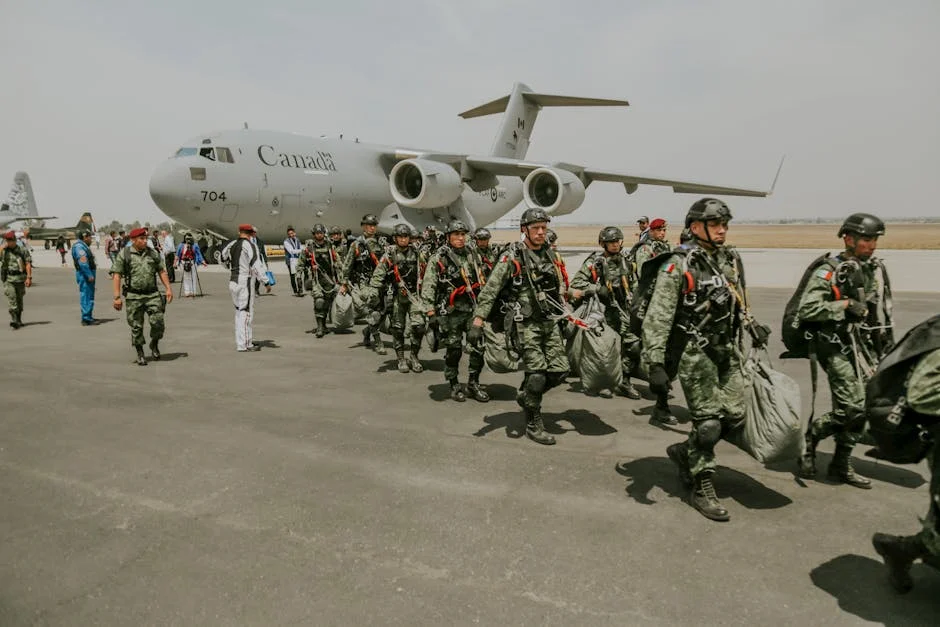
US military officials announced that airstrikes will specifically target Islamic State strongholds in northern Nigeria, where the group has been gaining ground. The US has been collaborating with the Nigerian government for several years, providing training and resources aimed at countering extremist threats.
Impact on Local Communities
The increase in US involvement raises concerns about potential civilian casualties. Local human rights groups, such as the Nigerian Human Rights Commission, have warned that airstrikes could lead to unintended damage to civilian structures and loss of innocent lives. This further complicates the already fragile situation for communities affected by the conflict.
An additional worry is the potential for displacement. Many residents in conflict zones like Borno have already fled their homes due to violence, and further military actions could exacerbate this crisis. At present, there are over 2 million internally displaced persons in Nigeria, according to the United Nations.
Community Response and Resilience
Civic groups in Nigeria are rallying for dialogue over military action. They argue that humanitarian assistance and development initiatives should take precedence, especially in regions devastated by conflict. Local leaders in Borno have called on the government to ensure that any military strategy is accompanied by plans for rebuilding and support for affected communities.
Despite the grim situation, some communities are exhibiting resilience. Local organisations are mobilising resources to provide aid to those displaced by violence. Initiatives focused on education and healthcare are underway, with many community members stepping in to help their neighbours in need.
What Lies Ahead for Nigeria?
The path forward for Nigeria remains fraught with challenges. As the US intensifies its military involvement, citizens will be closely monitoring the outcomes of these actions. The Nigerian government must balance military efforts with the urgent need for humanitarian assistance to prevent further deterioration of living conditions.
In the coming weeks, local and international observers will look for signs of change in the conflict's dynamics. The need for a comprehensive strategy that prioritises both security and community support is more crucial than ever.