A non-profit supported by billionaire Warren Buffett is making waves in the conservation landscape of South Africa. African Parks, which manages the world's largest population of white rhinos, is urging local communities to increase tourism as a means to protect this endangered species. The appeal comes as the organisation faces funding challenges, forcing them to rethink their strategies in conservation efforts.
Conservation and Community at the Forefront
In a declaration made this week, African Parks emphasised the interconnectedness of local tourism and wildlife protection. The organisation, which oversees 18 parks in Africa, has been pivotal in stabilising white rhino populations in places like the Addo Elephant National Park in Eastern Cape Province. According to recent figures, the white rhino population in Addo has surged to approximately 1,300, thanks to concerted conservation efforts.
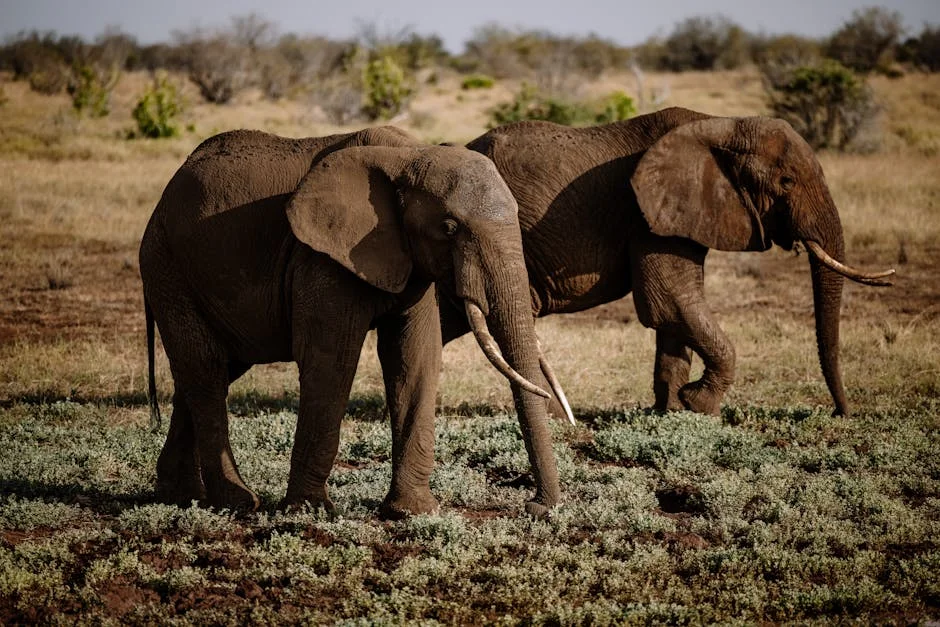
These conservation gains, however, are threatened by a lack of local tourism. African Parks argues that increased tourism would not only provide financial resources for ongoing protection efforts but also enhance community engagement. Communities near conservation areas, including local businesses, could significantly benefit from increased footfall.
The Economic Impact of Local Tourism
Local tourism is increasingly viewed as a crucial pillar for sustainable conservation. African Parks reported that parks managing local tourism generated a significant revenue jump of 30% last year. This financial influx has proven essential for local economies and the livelihoods of residents in regions where wildlife and conservation intersect.
Residents in towns bordering national parks have expressed keen interest in capitalising on the tourism potential. Many hope that, with better infrastructure and support from African Parks, they can create a vibrant tourism sector that thrives alongside wildlife conservation. This could lead to the establishment of guesthouses, restaurants, and guided tours, all designed to attract visitors.
Addressing Challenges in the Tourism Sector
Despite the opportunities, several challenges hinder local tourism growth. Infrastructure gaps, such as poor road conditions and inadequate facilities, have been consistently flagged as barriers. African Parks is calling on local governments to address these issues to unlock tourism potential and boost conservation financing.
Moreover, the organisation plans to initiate a series of workshops aimed at educating local residents about sustainable practices and the importance of wildlife protection. With the right tools and knowledge, communities can not only attract visitors but also foster a sense of stewardship over their natural resources.
The Role of Local Governments and Stakeholders
Local stakeholders have a critical role to play in supporting African Parks' vision. Recently, the Eastern Cape Parks and Tourism Agency announced a plan to partner with African Parks to promote sustainable tourism initiatives. This collaboration aims to enhance the visibility of the Addo Elephant National Park and its rhino population.
As part of the initiative, several local leaders are set to join African Parks personnel in a summit next month. This meeting will focus on the challenges facing conservation efforts and how to effectively mobilise local communities to invest in their tourism offerings.
Looking Ahead: What’s Next for Conservation Efforts?
As African Parks pushes for increased local tourism, the eyes of conservationists and local residents alike will be on the outcomes of upcoming initiatives. Community workshops and local government support could prove pivotal in shaping the future of wildlife conservation in South Africa.
With a summit scheduled for next month, stakeholders are expected to outline actionable steps to increase wildlife tourism. The success of these initiatives could set a precedent for similar conservation efforts across the continent.
See Also
- NUPRC Vows Steady Oil Output as Strike Enters Second Week
- Pick n Pay Triggers Wage War With SACCAWU Over Staff Cuts