Tourism stakeholders gathered in Lagos this week to present a hard-hitting case for immediate investment in Africa's travel sector. The group argues that without structural reforms and fresh capital, the continent will continue to leave billions of dollars on the table. This discussion comes at a critical juncture for Nigeria, where the travel industry holds the potential to stabilize foreign exchange earnings.
Why Lagos Is the New Center of Gravity
The choice of Lagos as the host city is not accidental. As the commercial heartbeat of West Africa, the city offers a microcosm of the opportunities and challenges facing the broader regional market. Organizers brought together ministers, private investors, and community leaders to map out a concrete strategy for growth. The focus shifted from vague promises to actionable economic indicators.
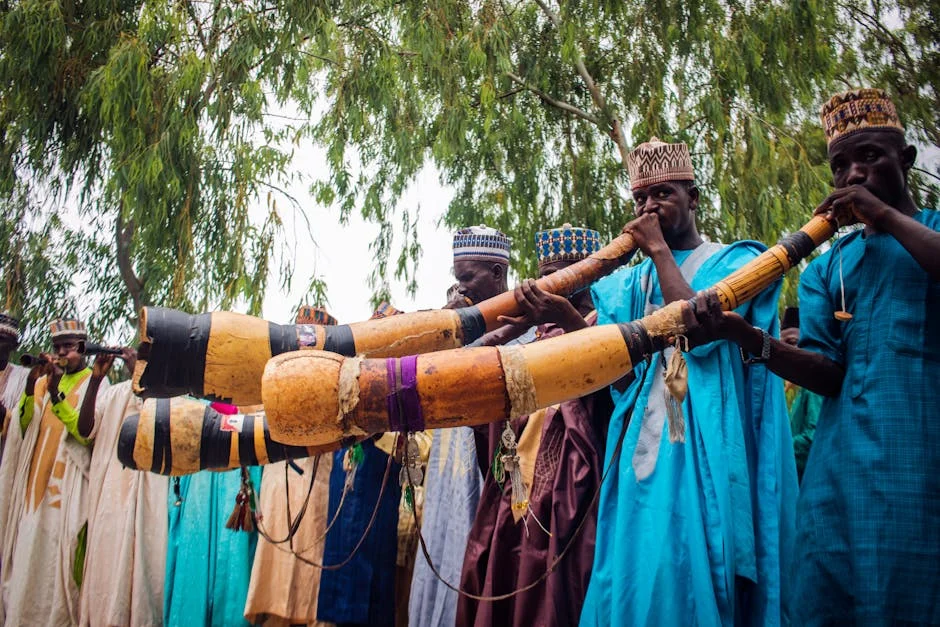
Attendees highlighted that Lagos alone generates more than 30 percent of the country’s Gross Domestic Product. This economic weight makes the city a perfect testing ground for new tourism policies. If the strategies work here, they can be replicated in other key hubs like Accra and Nairobi. The energy in the room reflected a growing urgency to capitalize on this potential.
Local business owners shared their experiences with the fluctuating nature of tourist footfall. They noted that while infrastructure is improving, inconsistency remains a major barrier to entry for international visitors. The dialogue emphasized that local economies thrive when tourism dollars trickles down to small enterprises. This direct impact on daily life was a central theme of the opening sessions.
The Financial Stakes for Nigerian Households
The financial implications for the average Nigerian citizen are profound. Tourism is one of the few sectors that creates jobs across multiple skill levels. From hotel staff to local artisans, the value chain extends deep into local communities. A robust tourism sector means more steady incomes for families in both urban and rural areas.
Forum participants revealed that the sector could contribute up to 6 percent of Nigeria’s GDP if fully optimized. This figure represents a significant boost to the national economy. It also translates into better tax revenues for state governments. These funds can then be reinvested into public services such as healthcare and education. The link between a thriving hotel in Lagos and a better school in a nearby village is direct and measurable.
Investors are looking for stability and clear returns on their capital. The current economic climate demands that every naira spent generates tangible results. Stakeholders argued that government incentives need to be more targeted to attract quality foreign direct investment. This approach ensures that the benefits are not just fleeting but sustainable over time.
Community Level Economic Impact
At the grassroots level, tourism drives demand for local goods and services. Restaurants source produce from nearby farms, reducing the cost of transportation and increasing farmers' profits. Handicrafts produced in communities like those in Enugu or Kano find ready markets in major hotels and souvenir shops. This creates a circular economy that strengthens local resilience.
Employment in the sector is also more inclusive than in many other industries. Women and young people often find entry-level positions in hospitality and tour guiding. These roles provide a pathway to upward mobility and financial independence. The Forum emphasized that empowering these groups leads to stronger, more cohesive communities. This social benefit is just as important as the economic gain.
Infrastructure Gaps That Must Be Bridged
Despite the optimism, the road to success is paved with infrastructural challenges. Poor road networks and unreliable power supply continue to deter potential investors and visitors. Stakeholders called for a coordinated effort between federal and state governments to address these bottlenecks. Without reliable electricity, for instance, the cost of running a hotel skyrockets due to generator expenses.
The airport experience remains a critical touchpoint for first impressions. Delays and congestion at major airports like Murtala Mohammed International Airport can sour a visitor's experience before they even reach their destination. Upgrading terminal facilities and streamlining immigration processes are seen as immediate priorities. These improvements would signal to the world that Nigeria is ready for business.
Transportation within cities also needs modernization. Many tourists struggle with the reliability of public transport options. Introducing more structured shuttle services and improving ride-hailing infrastructure could enhance mobility. This would make it easier for visitors to explore beyond the city centers. A seamless travel experience encourages longer stays and higher spending.
Collaboration Between Public and Private Sectors
No single entity can solve these complex issues alone. The Forum stressed the need for deeper collaboration between government agencies and private companies. Public-private partnerships (PPPs) have shown promise in other sectors and could work similarly in tourism. By sharing risks and rewards, both sides can drive faster implementation of projects.
Ministries of Tourism in various states often operate in silos, leading to fragmented strategies. Harmonizing policies across regions would create a more cohesive national brand. For example, a unified visa policy or a single digital passport for tourists could simplify travel. This level of coordination requires political will and sustained dialogue among stakeholders.
Private sector players bring efficiency and innovation to the table. Hotels, airlines, and tour operators often move faster than bureaucratic structures. Leveraging their expertise can help streamline operations and improve customer service standards. The key is to create an enabling environment where private enterprise can flourish without excessive red tape.
Policy Recommendations for Immediate Action
Stakeholders proposed several specific policy changes to accelerate growth. One key suggestion was the introduction of tax holidays for new tourism investments in rural areas. This would encourage developers to look beyond the major cities and unlock hidden gems. Such incentives could revitalize towns that have historically been overlooked by the travel industry.
Another recommendation focused on digitalization. Creating a unified digital platform for bookings, payments, and reviews would modernize the sector. This would make it easier for international tourists to plan and execute their trips. A seamless digital experience is now a baseline expectation for global travelers. Nigeria must catch up to remain competitive.
The Role of Digital Marketing and Branding
In an age where discovery happens online, digital marketing is no longer optional. Nigeria has a rich cultural heritage but often struggles to tell its story effectively to a global audience. The Forum highlighted the need for a robust digital campaign that showcases the diversity of experiences available. From the beaches of Calabar to the mountains of Shaga, there is plenty to offer.
Social media platforms play a crucial role in shaping traveler perceptions. Influencers and content creators can amplify the reach of tourism campaigns at a fraction of traditional advertising costs. Collaborating with local digital natives can help craft authentic narratives that resonate with younger demographics. This approach ensures that the branding feels genuine rather than forced.
Data analytics also offer valuable insights into tourist behavior. By tracking search trends and booking patterns, operators can tailor their offerings to meet demand. This data-driven approach reduces waste and increases conversion rates. It allows businesses to make smarter decisions about where to invest their marketing budgets. Precision marketing is becoming a key differentiator in the crowded travel market.
Challenges Facing Rural Tourism Development
While urban centers attract the majority of visitors, rural areas hold immense potential. These regions often possess unique cultural assets and natural beauty. However, they suffer from poor accessibility and limited accommodation options. Developing rural tourism requires targeted infrastructure investment and community engagement. It is not enough to build a hotel; the surrounding ecosystem must support it.
Local communities must be involved in the planning process to ensure buy-in. When residents feel ownership over tourism projects, they are more likely to welcome visitors and preserve local traditions. This involvement can range from participating in decision-making committees to offering guided tours. It transforms tourists from outsiders to guests, enhancing the overall experience.
Conservation efforts are also critical in rural tourism. Overdevelopment can degrade the very attractions that draw visitors. Balancing economic growth with environmental sustainability is a delicate task. Stakeholders emphasized the need for strict zoning laws and eco-friendly building standards. Protecting natural resources ensures that the sector remains viable for future generations.
Looking Ahead: The Road to 2025
The momentum from this Forum will carry into the coming year. Stakeholders have set a target to increase foreign tourist arrivals by 15 percent within the next 18 months. This goal will require sustained effort from all levels of government and the private sector. Regular progress reviews will help keep the initiative on track and accountable.
Investors are expected to announce new projects in the second quarter. These developments will likely focus on mid-range accommodations and experience-based tourism. Such offerings cater to a growing segment of travelers seeking value and authenticity. The market is shifting away from luxury-only models to more diverse product portfolios.
Readers should watch for the release of the National Tourism Master Plan next month. This document will outline specific targets and funding allocations for the sector. Its implementation will be a key indicator of the government’s commitment to the industry. The coming months will be critical in determining whether Nigeria can truly unlock its tourism potential.
See Also
- European Commission Warns of Migration and Terrorism Threats — What It Means for Africa
- Sikh Student Brutally Assaulted in Pakistan, Turban Removed
One key suggestion was the introduction of tax holidays for new tourism investments in rural areas. Its implementation will be a key indicator of the government’s commitment to the industry.