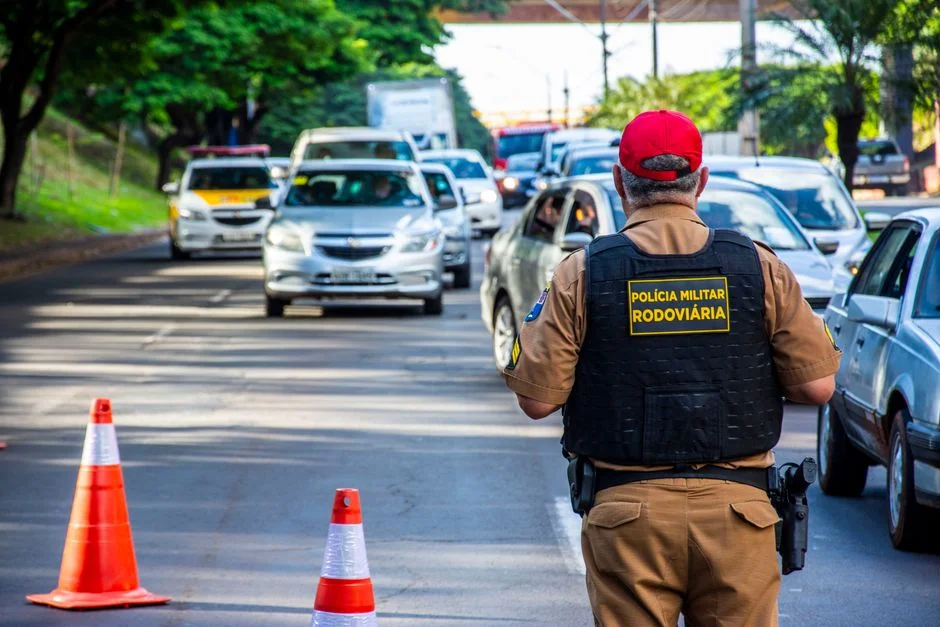
Lagos State police have released new data showing a surge in criminal activity across the city, with over 35,000 cases currently moving through the court system. The Lagos Criminal Information System identifies Lekki and Lagos Island as the two most critical hotspots for these offenses. This development directly impacts daily life for millions of residents who face increased uncertainty in their neighborhoods.
The data exposes a growing tension between rapid urban expansion and the capacity of local law enforcement. Citizens in these affluent areas are no longer immune to the security challenges that have long plagued other parts of the metropolis. Understanding this shift is essential for anyone living or doing business in Nigeria's economic hub.
Lekki Emerges as Primary Crime Hotspot

Lekki has transformed from a quiet residential extension into a bustling commercial and residential district. This rapid growth has attracted diverse populations, including expatriates, young professionals, and large corporate headquarters. The influx has created a new dynamic for local security forces who must adapt to a changing demographic landscape.
The police report indicates that property crimes and burglary rates have climbed significantly in this area. Residents describe a shift in the nature of theft, moving from opportunistic snatches to more organized break-ins. This trend forces homeowners to invest heavily in private security services and physical infrastructure upgrades.
Impact on Local Real Estate and Daily Life
The perception of safety directly influences property values and rental agreements in Lekki. Landlords are increasingly including security costs in rental prices, passing the burden to tenants. This financial pressure affects middle-class families who chose the area for its relative calm compared to mainland Lagos.
Community associations in Lekki have begun holding more frequent town hall meetings to address these concerns. They are demanding quicker response times from the Lagos State Police Command. The dialogue between residents and officials highlights a growing impatience with the pace of security improvements.
Lagos Island Faces Renewed Security Pressures
Lagos Island remains the financial heartbeat of the state, hosting major banks, hotels, and historic landmarks. The concentration of wealth and traffic makes it a prime target for various criminal elements. The new data confirms that crime rates here are rising at a pace that outstrips the increase in police patrols.
Commuters using the Third Mainland Bridge and the Eko Bridge report higher instances of roadside incidents. These areas serve as critical arteries for the daily movement of goods and people across the lagoon. Any disruption in these corridors causes immediate economic ripples throughout the wider region.
Business owners on Lagos Island are adjusting their operating hours to mitigate risk. Many shops now close earlier in the evening than they did five years ago. This change affects the nightlife and retail sectors, which rely on extended trading hours to maximize revenue.
35,000 Cases Overwhelm the Judicial System
The figure of 35,000 active cases represents a significant burden on the Lagos State judicial machinery. Courts are struggling to process these files efficiently, leading to extended waits for verdicts. This backlog affects both the accused and the victims who seek justice for their troubles.
Lawyers in Lagos report that scheduling trials has become increasingly difficult due to the volume of new filings. The Lagos Criminal Information System tracks these cases, providing a digital footprint of the judicial load. However, the technology alone cannot resolve the human resource constraints within the courts.
The delay in justice delivery creates a sense of impunity among some offenders. When cases take months or even years to resolve, the deterrent effect of the law diminishes. This reality forces citizens to rely more on personal vigilance than on institutional protection.
How This Affects Ordinary Citizens
For the average Lagosian, these statistics translate into tangible changes in daily routines. People are altering their travel patterns, often choosing to drive rather than use public transport. This shift increases traffic congestion, which in turn raises fuel costs and commute times for the entire city.
Families in Lekki and Lagos Island are spending more on security gadgets and services. The cost of living rises as these security expenditures become a fixed monthly expense. This financial drain reduces disposable income, affecting spending in local markets and restaurants.
Small business owners feel the pressure as they adjust their inventory management. They keep less stock on the floor to minimize losses from potential break-ins. This adaptation slows down sales velocity and impacts the local micro-economy in these high-traffic areas.
Community Response and Local Initiatives
Residents are not waiting passively for the state to act. Community watch groups have formed in several estates across Lekki and Lagos Island. These groups coordinate with local police officers to create a more responsive neighborhood defense network.
Local Area Committees (LACs) are holding regular meetings to discuss security strategies. They are using social media platforms to share real-time updates on crime incidents. This digital connectivity helps residents stay informed and alert, reducing the element of surprise for criminals.
Some estates have begun hiring former military personnel as night watchmen. This investment shows the level of commitment residents are willing to make to protect their properties. It also highlights the gap between public provision and private need in the city.
Government Action and Future Outlook
The Lagos State Government has announced plans to increase the number of patrols in these identified hotspots. The commissioner for police affairs stated that additional resources would be deployed within the next quarter. This commitment aims to restore confidence in the security apparatus.
Officials are also looking at upgrading the Lagos Criminal Information System to include predictive analytics. This technology could help police anticipate crime spikes before they happen. The implementation of these tools requires both funding and training for frontline officers.
The success of these measures will depend on sustained political will and budgetary allocation. Residents are watching closely to see if the promises translate into visible changes on the streets. The next few months will be critical in determining the effectiveness of the new strategies.
Readers should monitor the quarterly crime reports released by the Lagos State Police Command. These documents will provide updated figures on the effectiveness of the new patrols and court reforms. Keeping an eye on these data points will help citizens make informed decisions about their security preparations.
See Also
- Kano Commission Opens Inquiry On Assets Recovery, Vows To Resist Primordial Interest
- Asian Stocks Tumble as Iran Conflict Escalates — What It Means for Africa