Germany has pledged £1bn to Sudan as the country's humanitarian crisis worsens, with the funding announced during a high-level meeting in Berlin on Wednesday. The donation comes amid growing concerns over food insecurity, displacement, and the collapse of public services in the war-torn region. The funds are intended to support emergency aid, including food, water, and medical supplies, for millions of people affected by the ongoing conflict.
Germany Steps Up Aid Amid Escalating Crisis
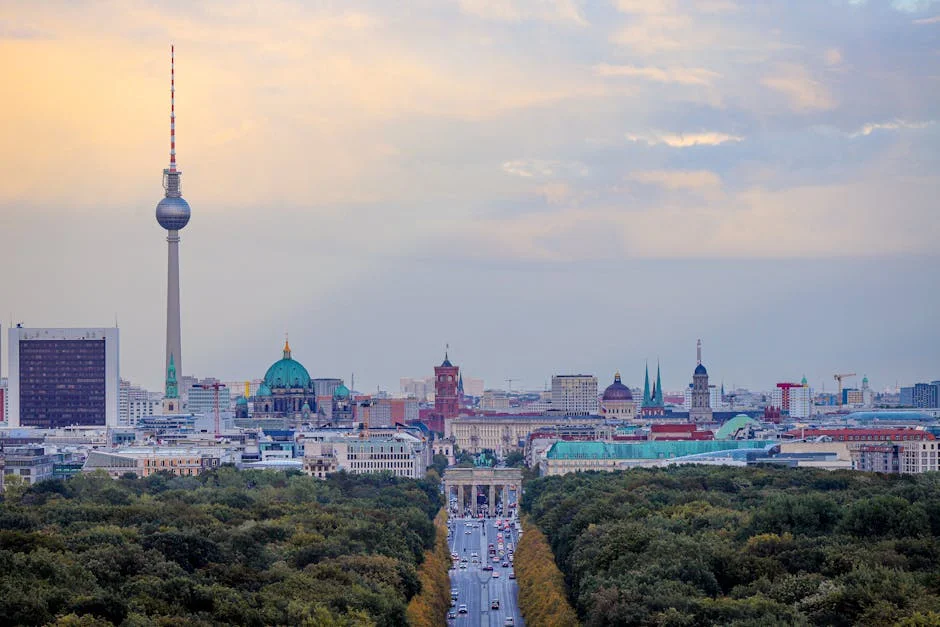
The £1bn pledge was announced by German Foreign Minister Annalena Baerbock during a donors' conference in Berlin, where representatives from over 30 countries and international organisations gathered to address the deepening crisis in Sudan. The funding will be distributed through the United Nations and local aid agencies, with a focus on the capital, Khartoum, and surrounding areas where the conflict has displaced over 7 million people.
“Sudan is facing one of the worst humanitarian crises of our time,” Baerbock said in a statement. “This funding will help provide immediate relief to those in need, but we must also push for a lasting political solution.” The German government has also called for a ceasefire and increased access for aid workers, who have faced significant obstacles in reaching vulnerable populations.
Impact on Daily Life in Sudan
The humanitarian crisis has had a devastating effect on everyday life in Sudan, with food prices soaring and access to clean water becoming increasingly scarce. In Khartoum, families are struggling to afford basic necessities, and many have been forced to rely on humanitarian aid to survive. The situation is particularly dire in areas affected by the ongoing conflict between the Sudanese Armed Forces and the Rapid Support Forces.
According to the World Food Programme, over 18 million people in Sudan are in need of urgent food assistance. In the city of Port Sudan, where many displaced families have relocated, local charities report that food rations have been reduced by up to 50% due to funding shortfalls. “We are seeing people go days without eating,” said Amina Musa, a local aid worker with the Sudanese Red Crescent.
Regional and International Response
The crisis in Sudan has drawn attention from regional and international actors, with the African Union and the United Nations calling for urgent action. The African Union has deployed a special envoy to mediate between the warring parties, while the UN has warned that the situation could lead to a full-scale famine if aid is not scaled up quickly.
“The international community cannot stand by while millions face starvation and violence,” said UN Secretary-General António Guterres in a recent statement. “Sudan’s crisis is a global issue, and we need coordinated action to prevent further suffering.” The German pledge has been welcomed as a positive step, but many experts argue that more funding and political will are needed to address the root causes of the conflict.
What to Watch Next
The next major development to watch is the planned UN Security Council meeting on Thursday, where diplomats will discuss a potential arms embargo on Sudan. The resolution, backed by the US and the UK, aims to pressure both the Sudanese Armed Forces and the Rapid Support Forces to halt hostilities. Meanwhile, aid agencies are urging donors to match the German commitment and ensure that humanitarian operations are not disrupted by the ongoing violence.
For citizens in Sudan, the coming weeks will determine whether the emergency aid can reach those in need before the situation deteriorates further. With the rainy season approaching, the risk of disease outbreaks and infrastructure collapse is increasing. The international community’s response will be critical in shaping the future of the region.
See Also
- Manufacturers fear shutdowns as diesel price hits N950/litre
- Police Declare Briton, Nigerian Wanted For Attempting To Overthrow Tinubu