Sierra Leone has officially become the latest West African nation to absorb a new wave of deportees from the United States under President Donald Trump’s aggressive immigration overhaul. Freetown received nine citizens on a recent flight, marking a tangible shift in how the US handles undocumented immigrants from the region. This development sends shockwaves through communities across West Africa, raising urgent questions about family reunification and local economic strain.
Freetown Faces Immediate Integration Challenges
The arrival of these nine individuals in Freetown highlights the logistical burden placed on capital cities that are often already stretching their resources. Local officials in Sierra Leone have had to act quickly to process the deportees, many of whom may have lived in the US for decades. The sudden return disrupts family structures and creates an immediate need for housing, healthcare, and social services. Communities in the capital are now grappling with the reality that these returning citizens are not just statistics but neighbors needing support.
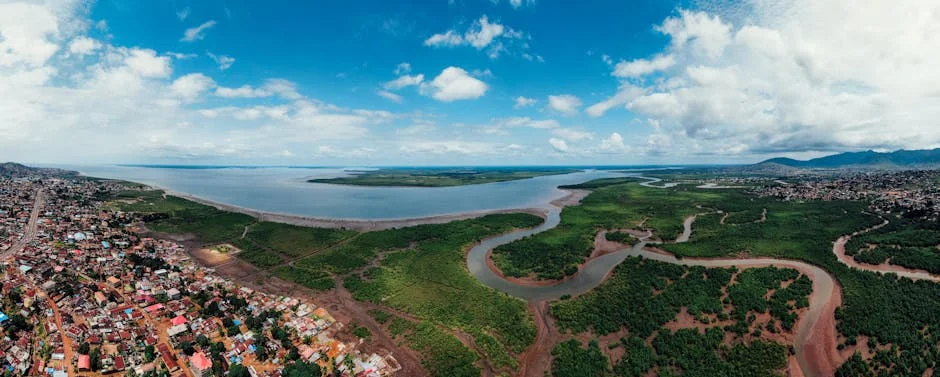
Local leaders in Freetown have expressed concern over the lack of prior coordination with the US government. Many of the deportees arrived with minimal luggage and limited information about their legal status upon return. This lack of preparation places an immediate financial and administrative burden on the Ministry of Social Welfare. Citizens in surrounding neighborhoods are watching closely to see how their government handles this influx, fearing that poor integration could lead to social friction.
The economic impact is also becoming apparent. With many deportees having worked in the US service or construction sectors, their sudden return means a loss of remittances for their extended families back home. These families, who relied on monthly cash transfers to pay for school fees and medical bills, now face a financial vacuum. The local economy, which depends heavily on remittances from the diaspora, feels this loss acutely in markets and local businesses.
Trump’s Immigration Policy Reshapes West Africa
Donald Trump’s immigration strategy has moved beyond rhetoric to create concrete changes in daily life for West African citizens. The administration’s focus on speed and volume in deportations has caught many countries off guard. Sierra Leone is not alone in this experience, but it is one of the most recent examples of how US policy directly impacts local communities. The political decision in Washington has immediate social consequences in Freetown, Accra, and Lagos.
The scale of these deportations is changing how families plan their futures. Many young professionals and skilled workers who migrated to the US are now facing uncertainty. The fear of deportation looms large, affecting work performance and social engagement in the US. Back home, families are preparing for potential returns, buying property or starting small businesses as a safety net. This shift in mindset is altering migration patterns across the region.
Community Response and Social Tension
Local communities in Sierra Leone are responding with a mix of compassion and anxiety. Neighborhood associations are organizing support groups to help the new arrivals adjust to life back home. However, there is also a growing sense of resentment among locals who feel that returning citizens have an unfair advantage. Some locals argue that those who left years ago should have returned earlier or saved more for their eventual homecoming. This tension is visible in local town hall meetings and community gatherings.
The social fabric of these communities is being tested. Children of the deportees, many of whom grew up in the US, are struggling to reintegrate into the local school system. Language barriers and cultural differences make this transition difficult for both the children and their peers. Teachers in Freetown report that these students often feel out of place, leading to social isolation and academic challenges. This generational impact could have long-term effects on the social cohesion of these neighborhoods.
Economic Ripples Across the Region
The economic implications of these deportations extend beyond individual families. The local labor market in Sierra Leone is absorbing these returnees, but the impact is uneven. Some skilled workers are finding jobs in the growing tech and service sectors in Freetown. Others, particularly those with specialized US certifications, are facing underemployment. This mismatch between skills and available jobs creates frustration and economic instability for the returnees.
Businesses in the region are also feeling the effects. The loss of remittances means less spending power in local markets. Shops that relied on the monthly influx of dollars from the diaspora are seeing a decline in sales. This economic slowdown affects not just the direct recipients of remittances but also the local suppliers and service providers. The ripple effect is noticeable in the bustling markets of Freetown, where prices and customer traffic are shifting.
Financial institutions in Sierra Leone are adapting to this new reality. Banks are seeing a decrease in foreign currency inflows from the US, affecting the exchange rate and local inflation. This financial pressure is forcing families to cut back on non-essential spending, further slowing the local economy. The central bank is monitoring these trends closely, anticipating potential shifts in monetary policy to stabilize the local currency.
Political Reactions and Diplomatic Tensions
The political reaction in Sierra Leone has been swift and somewhat critical. Local politicians are using the deportation issue to question the effectiveness of diplomatic relations with the US. There are calls for stronger bilateral agreements to ensure better coordination and support for deportees. The Ministry of Foreign Affairs is working to establish a clearer framework for future deportations, aiming to reduce the shock to local systems.
However, the political discourse is also revealing deeper divisions within the country. Some political factions argue that the government should have done more to prepare for this influx. Others blame the US for its abrupt policy changes. This political debate is influencing local elections and community leadership, with candidates using the issue to rally support or criticize their opponents. The deportation issue has become a key topic in local political campaigns.
Diplomatic tensions are also rising between West African nations and the US. Countries like Nigeria and Ghana are watching Sierra Leone’s experience closely, preparing for their own potential influx of deportees. There is a growing demand for regional cooperation to handle this shared challenge. West African leaders are calling for a unified approach to negotiate with the US, aiming to secure better terms and support for their citizens.
What Citizens Should Watch Next
As the situation evolves, citizens in Sierra Leone and across West Africa should pay close attention to several key developments. The next few months will be critical in determining how well the local systems can absorb the returning deportees. Local governments will need to announce specific integration plans, including housing subsidies and job training programs. These plans will directly impact the quality of life for both the returnees and the local communities.
Political leaders in Freetown are expected to hold a special session in the coming weeks to address the deportation crisis. This session will likely feature announcements about new funding for social services and diplomatic efforts to coordinate with the US. Citizens should watch for these announcements, as they will signal the government’s commitment to managing the situation effectively. The outcome of these political moves will shape the future of community relations and economic stability.
Furthermore, the US government is likely to announce additional deportation flights in the near future. This means that more families will be affected, and the pressure on local resources will continue to grow. Citizens should stay informed about these developments and prepare for potential changes in their local communities. The coming year will be a test of resilience and adaptability for West African nations facing this new immigration reality.
See Also
- Honor Unveils Revolutionary Smartphone at MWC Barcelona — What This Means for Nigeria
- Terem Moffi Opens Scoring But Poland Snatches Late Equaliser In Abuja Friendly
The central bank is monitoring these trends closely, anticipating potential shifts in monetary policy to stabilize the local currency. Political Reactions and Diplomatic Tensions The political reaction in Sierra Leone has been swift and somewhat critical.