The political landscape in Nigeria’s Southeast is heating up as prominent figures debate the future of regional leadership. Onoh has publicly urged former President Goodluck Jonathan to reconsider his potential bid for the presidential race in 2027. This intervention highlights deep-seated concerns about the stability and direction of the region under current and future leadership structures. Citizens in the Southeast are watching these developments closely, knowing that political decisions at the top directly impact their daily lives. The debate is not just about personal ambition but about the broader implications for national unity and economic progress.
The Political Weight of the Southeast
The Southeast region holds a unique position in Nigerian politics. It is often seen as a voting bloc that can swing elections and influence national policy. Onoh’s comments reflect a growing anxiety among local leaders and citizens. They fear that a divisive political campaign could destabilize the region further. The area has faced various challenges, from infrastructure deficits to security concerns. A presidential race involving a major figure like Jonathan could exacerbate these issues. Local communities are already feeling the pressure of economic hardships.

Onoh’s Strategic Warning to Jonathan
Onoh’s appeal is rooted in a desire to protect Jonathan’s legacy. He argues that entering the 2027 race might dilute the former president’s achievements. This perspective is gaining traction among some political analysts. They believe that a well-timed exit or a strategic alliance would be more beneficial. However, Jonathan has yet to make a definitive announcement. His supporters remain confident in his ability to win. The tension between legacy preservation and political ambition is palpable.
Legacy vs. Ambition
The concept of political legacy is complex. For many leaders, leaving office is the end of their influence. Others see it as a new beginning. Onoh seems to advocate for the former approach. He suggests that Jonathan’s impact has been substantial enough to warrant a graceful exit. This view contrasts with the belief that political momentum is key. Jonathan’s team might argue that his experience is still needed. The debate highlights the differing views on what constitutes success in Nigerian politics.
Impact on Local Communities
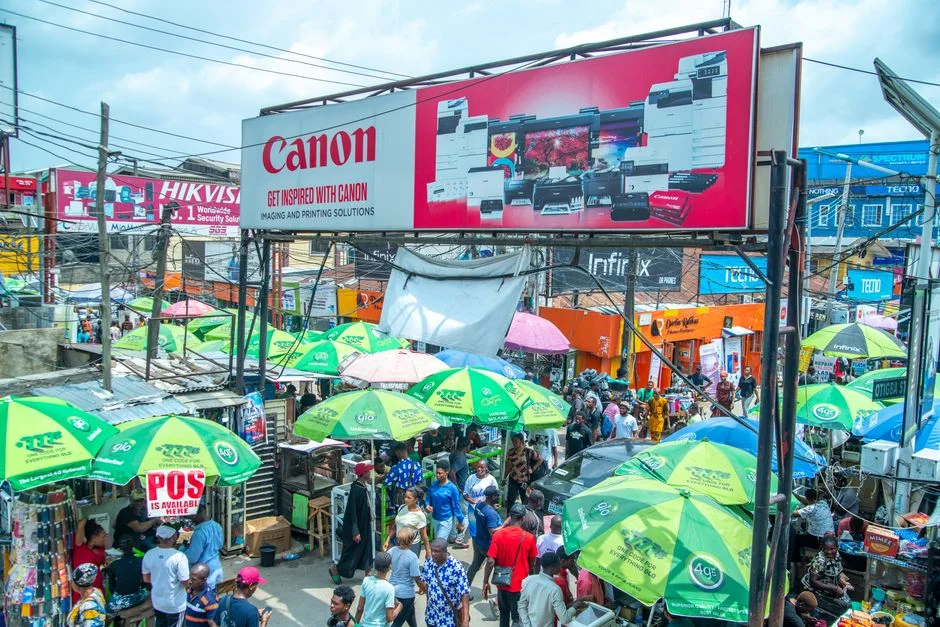
The potential 2027 race has immediate implications for citizens. Political campaigns are expensive and often drain local resources. Communities may face increased spending on rallies and events. This can divert attention from pressing issues like healthcare and education. In cities like Enugu and Aba, the cost of living is already high. A prolonged political battle could lead to inflation and economic uncertainty. Small business owners are particularly vulnerable to these fluctuations. They rely on stability to plan and grow their enterprises.
Security is another major concern. Political rallies can sometimes turn into flashpoints for tension. In the Southeast, ethnic and political identities are closely linked. A high-stakes race could reignite old rivalries. Local governments are tasked with maintaining order. They may struggle to manage the influx of politicians and supporters. This could lead to a temporary decline in public safety. Residents would need to be more vigilant during the campaign period.
The Role of Media in Shaping Narratives
Media outlets play a crucial role in framing the political debate. Reports from various sources help shape public opinion. The coverage of Onoh’s statement is an example of this influence. Different outlets may emphasize different aspects of the story. Some might focus on the personal relationship between Onoh and Jonathan. Others might highlight the broader political implications. This diversity of coverage helps citizens form their own views. It also holds political leaders accountable for their actions.
The speed of information dissemination is also important. Social media platforms allow for rapid sharing of news. This can accelerate political reactions and responses. Politicians must be quick to address emerging narratives. A delay can lead to a loss of momentum. The digital landscape has changed how campaigns are conducted. Leaders need to engage with voters directly through online channels. This direct engagement can help build trust and transparency.
Economic Concerns for the Region
The economy of the Southeast is diverse but faces challenges. Manufacturing, trade, and agriculture are key sectors. Political instability can disrupt these industries. Investors look for stability before committing capital. A contentious election could make the region less attractive. This could lead to job losses and reduced income. The average citizen feels the pinch of economic slowdowns. Prices of essential goods may rise due to supply chain disruptions.
Infrastructure development is another area affected by politics. Projects often stall during election years. Governments may delay decisions to avoid political backlash. This can lead to a backlog of needed improvements. Roads, power, and water supply are critical for daily life. Citizens in the Southeast have long called for better infrastructure. A stable political environment is essential for progress. Leaders must prioritize development over political maneuvering.
Looking Ahead to 2027
The 2027 election is still some time away. However, the groundwork is being laid now. Political parties are already positioning their candidates. Alliances are being formed and tested. The Southeast will be a key battleground. Local leaders are preparing for the influx of political activity. They are also working to address local grievances. This proactive approach can help mitigate potential conflicts.
Citizens are encouraged to stay informed. Understanding the political landscape helps in making informed decisions. Voting is a powerful tool for change. Engaging with local representatives can also drive progress. The outcome of the 2027 race will shape Nigeria’s future. It will determine the direction of national policy. The Southeast’s voice must be heard clearly.
Community Response and Engagement
Local communities are responding to the political news. Town hall meetings are being organized to discuss the issues. These forums allow citizens to voice their concerns. They also provide a platform for leaders to explain their positions. This direct engagement helps build a sense of ownership. Citizens feel more involved in the political process. This can lead to higher voter turnout in the future.
Civil society organizations are also active. They are monitoring the political climate and advocating for transparency. These groups play a vital role in holding leaders accountable. They provide independent analysis and commentary. This helps to counter political propaganda. The diversity of voices ensures a more balanced view. Citizens benefit from this multi-faceted approach to information.
The Path Forward
The political journey towards 2027 is just beginning. There will be many twists and turns. Leaders must navigate these challenges with care. The Southeast’s stability is crucial for national unity. Citizens have a stake in the outcome. Their voices matter in shaping the future. The coming months will be critical. Political decisions made now will have long-lasting effects.
As the debate continues, the focus must remain on the people. Their needs and aspirations should guide political strategy. Stability, development, and unity are key goals. Achieving these requires cooperation and compromise. The Southeast has the potential to lead the way. With the right leadership, the region can thrive. The 2027 election will be a test of this potential. All eyes will be on the region.
Watch for official statements from Jonathan’s campaign team in the coming weeks. Local government announcements regarding infrastructure projects will also indicate the political climate. Keep an eye on voter registration drives in the Southeast. These early indicators will provide insight into the 2027 race.
See Also
- Johnny Depp Jokes About Assassinating Trump, Then Apologizes
- FCC Chair Threatens to Revoke Licenses Over Iran War Coverage - What Does It Mean for Nigeria?