The Federal Government has officially paused the scheduled closure of the Eko Atlantic Bridge, a move that offers immediate relief to thousands of Lagosians who rely on the structure for daily transit. This decision, confirmed by the Ministry of Works and Housing, halts a plan that would have forced heavy traffic onto the Ikorodu Road and Third Mainland Bridge. The suspension comes after intense pressure from commuters and state officials who warned of severe gridlock in the commercial hub.
Immediate Relief for Daily Commuters
Lagos is often described as the commercial nerve centre of Nigeria, but its traffic congestion is legendary. The Eko Bridge serves as a critical artery connecting the mainland to the emerging island communities. For the average worker, the bridge is not just a structure; it is a time-saving lifeline that can shave thirty minutes off a morning commute. The threat of closure loomed large over the past few weeks, causing anxiety among residents in areas like Victoria Island and Ikoyi.
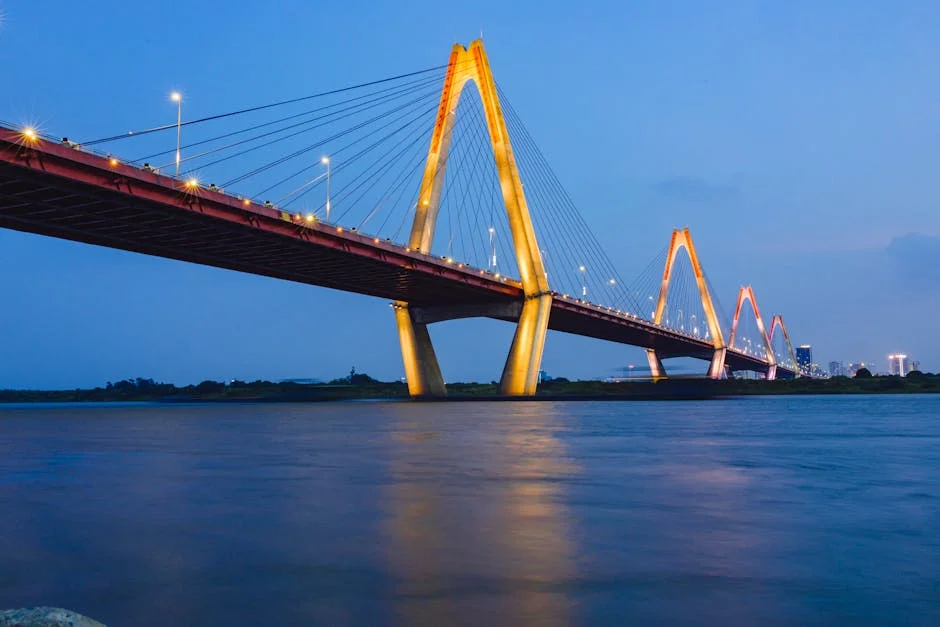
The suspension means that buses, private cars, and the increasingly popular BRT services can continue to flow without the bottleneck that a closure would create. Commuters who had begun to plan alternative routes, often involving longer drives through the Third Mainland Bridge, can now revert to their usual schedules. This reduces fuel consumption and minimizes the daily stress that defines life in the city. The Federal Government’s intervention directly impacts the daily routine of over two million people who cross the bridge weekly.
Local business owners have also breathed a sigh of relief. Shops along the Ikoyi axis depend on the steady stream of customers who cross the bridge. A closure would have diverted traffic away from these storefronts, leading to a temporary dip in sales. The continuity of traffic ensures that the local economy in these specific zones remains vibrant. Small traders and logistics companies, which rely on predictable transit times, can continue operations with minimal disruption.
Why the Closure Was Planned
The original plan to close the bridge was driven by the need for urgent maintenance and structural reinforcement. The bridge, which has seen heavy usage since its completion, requires regular servicing to ensure longevity and safety. Engineers had identified specific areas where the asphalt and supporting structures needed attention. Without this maintenance, the risk of minor accidents or structural fatigue increases over time.
Engineering Challenges and Timelines
The Ministry of Works had initially projected a two-week closure window. This period was deemed necessary to carry out deep-seated repairs that are difficult to execute while traffic is flowing. The engineering team wanted to minimize the risk of accidents that could occur if workers had to navigate around moving vehicles. However, the logistical challenge of managing traffic flow during such a short but intense period proved difficult to coordinate with the Lagos State Government.
The decision to suspend the closure was not taken lightly. It involved a careful assessment of the bridge’s current structural integrity versus the economic cost of the closure. Officials determined that the bridge could withstand the current traffic load for a few more months while a more comprehensive plan is developed. This allows for better coordination with local authorities to implement effective traffic management strategies when the closure does eventually happen.
Economic Impact on Lagos Businesses
The economic implications of the bridge closure would have been severe for the Lagos State economy. Lagos contributes significantly to the national GDP, and the flow of goods and services is crucial for this contribution. The bridge is a key route for logistics companies transporting goods from the ports to the mainland distribution centres. Any disruption in this flow leads to increased delivery times and higher costs for consumers.
Logistics firms had already begun to adjust their pricing models in anticipation of the closure. Drivers were facing longer routes, which meant higher fuel expenses and increased wear and tear on vehicles. These costs were likely to be passed on to the end consumer, leading to a slight inflation in the price of goods in Lagos. The suspension of the closure helps to stabilize these prices for the immediate future.
Real estate values in the areas surrounding the bridge have also been influenced by the transit convenience. Properties in Ikoyi and Victoria Island are prized for their accessibility. A prolonged closure could have negatively impacted rental yields and property values in these prime locations. The continuity of access helps to maintain the confidence of investors and tenants in these real estate markets.
Community Response and Public Opinion
The reaction from the Lagosian public has been overwhelmingly positive towards the suspension. Social media platforms were flooded with messages of gratitude from commuters who had been dreading the prospect of the closure. Many residents had shared their personal experiences of the usual Lagos traffic, highlighting how an additional bottleneck would have been devastating. This public sentiment played a crucial role in prompting the Federal Government to reconsider the timeline.
Community leaders in Lagos have also welcomed the decision. They had organized town hall meetings to discuss the potential impact of the closure on local communities. These meetings revealed deep-seated concerns about the lack of alternative routes and the inadequacy of the current traffic management systems. The Federal Government’s responsiveness to these concerns has helped to rebuild trust between the citizens and the authorities.
However, some critics argue that the suspension is merely a temporary fix. They point out that the underlying issues of infrastructure maintenance and traffic management in Lagos remain unresolved. These critics believe that a more holistic approach is needed to address the root causes of congestion. They urge the government to use this reprieve to develop a long-term strategy that includes better public transportation options and improved road networks.
Coordination Between Federal and State Governments
The decision to suspend the closure highlights the importance of coordination between the Federal Government and the Lagos State Government. Infrastructure projects that span both jurisdictions require seamless communication and joint planning. The initial plan for the bridge closure was developed by the Federal Ministry of Works, but its execution required the active involvement of the Lagos State Traffic Management Authority (LAMATA).
LAMATA had raised concerns about the readiness of alternative routes to handle the diverted traffic. They pointed out that the Ikorodu Road and the Third Mainland Bridge were already operating at near-capacity during peak hours. Adding the volume of traffic from the Eko Bridge would have overwhelmed these routes, leading to gridlock that could have lasted for days. The Federal Government took these concerns into account when making the decision to pause the closure.
This collaboration is a model for future infrastructure projects in Nigeria. It demonstrates the need for a data-driven approach to decision-making, where the opinions of local authorities and the experiences of commuters are valued. The Federal Government’s willingness to listen and adjust plans shows a level of flexibility that is often lacking in large-scale public projects.
What Happens Next for the Bridge
While the closure is suspended, it is not indefinitely postponed. The Federal Government has indicated that the maintenance work will begin in the coming months. A new timeline is being developed in consultation with the Lagos State Government to ensure minimal disruption. This new plan will likely involve a phased approach to the maintenance, allowing for traffic to flow during off-peak hours.
Commuters should prepare for the eventual closure, even if it is delayed. The key is to stay informed about the updated schedule and to plan alternative routes in advance. The Federal Government and LAMATA will likely release detailed traffic management plans as the closure date approaches. These plans will include information about detours, bus routes, and expected peak hours.
The suspension of the Eko Bridge closure is a win for Lagosians, but it is also a reminder of the challenges of urban infrastructure management. As Lagos continues to grow, the need for efficient and well-maintained transport networks will only increase. The Federal Government’s decision to pause the closure is a step in the right direction, but sustained effort is needed to ensure that the bridge remains a reliable asset for the city. Watch for official announcements from the Ministry of Works in the next quarter for the revised maintenance schedule.
See Also
- Western Cape Bends to Bentley Systems for Road Safety
- Birmingham Voters Face Historic Election Amid Deepening Frustration