Robert F. Kennedy Jr. has elevated the work of Danish researchers Christine Stabell Benn and Peter Benn to the centre of global vaccine debate. Their long-standing analysis of immunisation schedules now directly influences US policy. For Nigerian citizens, this shift threatens to disrupt supply chains and delay critical doses. The stakes for local health outcomes are rising rapidly.
US Policy Shift Targets Global Standards
The new administration in Washington is moving quickly to rewrite health rules. Robert F. Kennedy Jr. leads a push to simplify vaccine schedules. He cites the Danish couple’s research as key evidence. This research questions the optimal timing for childhood shots. The move challenges decades of consensus among global health bodies. It signals a major departure from previous US health strategies.
Nigeria watches this development with growing anxiety. The country relies heavily on US funding for health programmes. Any change in US priorities could affect local budgets. Health officials in Lagos are already monitoring the situation. They fear that political shifts in Washington will trickle down to clinics. The uncertainty creates a ripple effect across West Africa.
What the Danish Research Actually Says
Christine Stabell Benn and her husband have studied vaccines for years. They argue that the current schedule may be crowded. Their data suggests some children might need fewer shots. Or perhaps the timing between doses needs adjustment. This view differs from the World Health Organization’s standard. The WHO recommends a specific sequence for maximum protection.
Their work is not entirely new but has gained fresh eyes. RFK Jr. uses their findings to support his policy goals. He believes this approach reduces side effects. Critics argue the data is selective. The debate is now moving from academic journals to boardrooms. This transition speeds up the decision-making process. It leaves less time for peer review.
Implications for Clinical Trials
If the US adopts the Danish model, trials may change. New studies might focus on spacing rather than quantity. This could alter how vaccines are tested in Africa. Nigerian researchers must adapt their protocols quickly. Failure to align with US standards could mean lost funding. The pressure to conform is mounting daily.
Direct Impact on Nigerian Communities
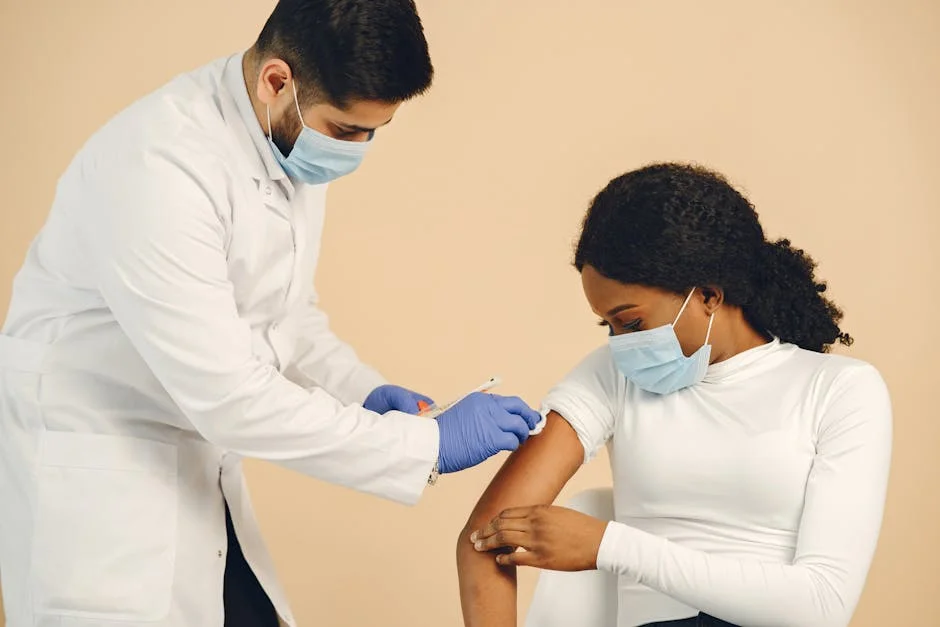
Nigerian parents face immediate confusion over vaccination advice. Health workers in rural areas rely on clear guidelines. Sudden changes disrupt their routine visits to villages. In Kano state, mothers worry about their children’s immunity. They have trusted the national schedule for years. Now, conflicting messages create doubt and hesitation. This hesitation can lead to lower uptake rates.
Local clinics are already feeling the strain. Supplies of certain vaccines depend on global procurement. If US demand shifts, prices may fluctuate. This affects the cost of the Polio and Measles campaigns. The National Primary Health Care Development Agency must act fast. They need to secure stocks before prices surge. Delays could open windows for outbreaks.
Economic Risks for Local Health Sector
The Nigerian health economy is fragile. It depends on steady inflows of foreign aid. The US is a top donor for immunisation programmes. A policy pivot in Washington could reduce this aid. This reduction would hit state-level health budgets hard. States like Ogun and Enugu may see cuts in their health spending. These cuts directly affect the quality of care.
Pharmaceutical companies are also adjusting strategies. They look to the US market for signals. If the US reduces vaccine usage, global production may slow. This slowdown could lead to shortages in Africa. Nigeria imports a large portion of its vaccines. A global dip in production means longer wait times. This impacts the daily operations of hospitals.
Social Response and Public Trust
Trust in vaccines is hard-won in Nigeria. Years of campaigns have built confidence among citizens. Conflicting international messages threaten this trust. Social media is already buzzing with mixed opinions. Some Nigerians see the US shift as validation. Others view it as political interference in science. This division can weaken community health efforts.
Community leaders are stepping up to clarify facts. In Abuja, local chiefs are holding town hall meetings. They explain the difference between US policy and local needs. They urge parents to stick to the national schedule. These efforts are crucial for maintaining stability. Without clear communication, rumours can spread quickly. Rumours often lead to vaccine hesitancy.
Regional Health Bodies React
The African Union is monitoring the situation closely. Health ministers from across the continent are convening. They seek to present a unified front. Africa cannot afford to be reactive to US politics. The goal is to maintain consistent standards. The World Health Organization Africa Region is also involved. They are reviewing the Danish data for applicability.
West African nations are coordinating their response. The Economic Community of West African States (ECOWAS) is key. They share health data and resources. A coordinated approach strengthens their bargaining power. It also ensures that no single country is left behind. This regional solidarity is vital for health security. It helps mitigate the impact of external shifts.
What Nigerian Citizens Should Watch
Citizens should monitor announcements from the Federal Ministry of Health. The ministry will likely issue new guidance soon. Parents should check with local clinics for updates. Do not pause vaccinations without professional advice. The risk of waiting is higher than the risk of shifting. Staying informed is the best defence against confusion.
Health workers need to prepare for potential changes. Training sessions may update protocols in the coming months. Clinics should review their inventory levels now. Early preparation can prevent last-minute shortages. The next quarterly health report will reveal trends. This data will show if the US shift has tangible effects. Watch for changes in vaccine prices and availability.
The next six months are critical for policy alignment. Nigeria must decide whether to follow the US lead or stick to WHO. This decision will shape health outcomes for years. Stakeholders are calling for a national health summit. The summit will bring together experts and policymakers. The outcome will determine the direction of Nigerian immunisation. Keep an eye on official statements from Abuja.
See Also
- South Africa's Government Halts Plans for Vape Regulation Amid Health Crisis
- Dapo Abiodun Seals Ogun East APC Ticket, Igniting Local Political Rivalries
Direct Impact on Nigerian Communities Nigerian parents face immediate confusion over vaccination advice. Implications for Clinical Trials If the US adopts the Danish model, trials may change.
What is the latest news about rfk jr backs danish couples vaccine study nigeria faces dose delays?
Why does this matter for health-medicine?
What are the key facts about rfk jr backs danish couples vaccine study nigeria faces dose delays?