Nigeria holds vast mineral wealth, yet the communities living on top of these resources remain largely in the dark about who owns them. The Federal Ministry of Solid Mineral Development has digitized thousands of mining leases, but the data is buried in digital folders that many locals cannot reach. This disconnect creates a fertile ground for conflict, economic disparity, and frustration in key mining hubs.
The promise of transparency through digitalization has not fully translated into empowerment for the average citizen. While the government touts modernization, the ground reality in states like Enugu, Plateau, and Zamfara tells a different story. Residents often discover a new mining concession only after bulldozers arrive or dust chokes their farms.
The Digital Divide in Nigerian Mining
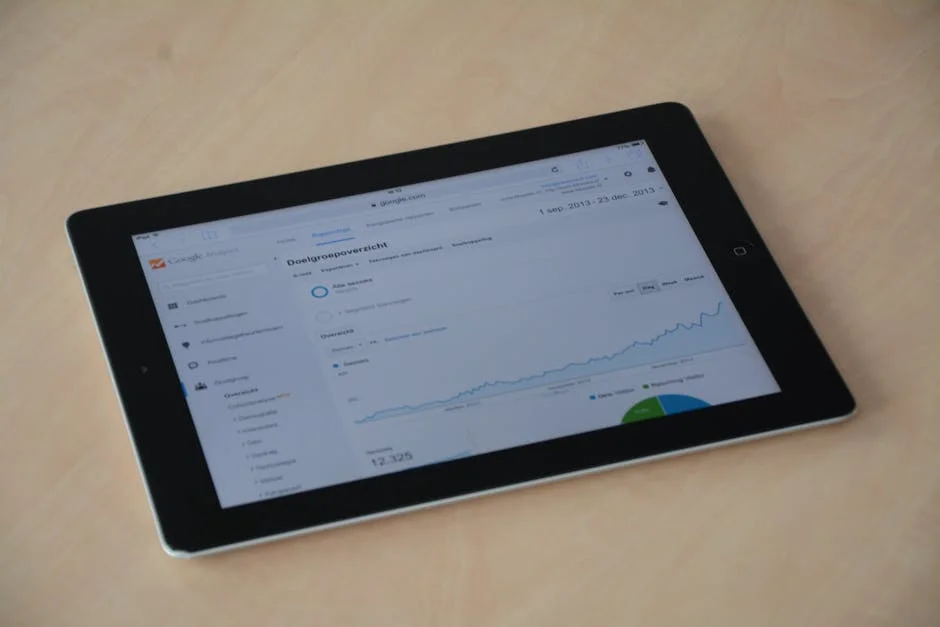
The Federal Ministry of Solid Mineral Development launched an ambitious digitization project to streamline how mining rights are tracked and displayed. This system was designed to replace dusty paper files with searchable digital records, making it easier to see who holds the rights to tin, coal, gold, and lithium. The initiative aims to attract foreign investors by proving that the land tenure is clear and the data is accessible.
However, the platform is largely built for urban professionals with reliable internet and laptops. In rural mining communities, access to a stable broadband connection remains a luxury rather than a necessity. Many village heads and local council chairmen rely on word of mouth or handwritten notices posted on a church wall. The digital dashboard means little to them if they cannot physically access the screen where the data lives.
This technological gap creates an information asymmetry that favors large corporate miners over small-scale artisanal miners. Large firms can hire data analysts to monitor lease expirations and new concessions. In contrast, the local artisanal miner, often referred to as a "small-scale holder," operates on intuition and local gossip. When the data is online but not localized, the little man loses his competitive edge.
Community Displacement and Economic Loss
The lack of accessible data has direct financial consequences for citizens in mining regions. In Enugu State, for example, coal mining has resumed with vigor, yet many local residents claim they were not properly consulted before the leases were awarded. When the data is not transparent to the locals, they struggle to negotiate better terms or demand a fair share of the royalties.
Without clear, accessible records of who owns what, land disputes escalate quickly. Farmers in Plateau State have seen their cassava fields destroyed by tin miners who presented valid but obscure lease documents. The farmers often learn about the lease only after the damage is done, making legal recourse expensive and time-consuming. This uncertainty discourages long-term investment in local agriculture and infrastructure.
Artisanal miners, who contribute significantly to the national gold and tin output, suffer the most. They often pay informal dues to local chiefs and council heads, but without clear digital records accessible to them, they fear being labeled as "intruders" at any moment. This fear drives them to work harder but save less, keeping many families in a cycle of precarious prosperity.
The Role of Media and Civil Society
Organizations like Premium Times have played a crucial role in bridging this information gap. By reporting on mining developments and explaining complex regulatory changes, the media helps bring attention to the disparity between policy and practice. Journalists often translate the dense legal language of mining leases into stories that resonate with the average reader in Lagos, Abuja, and the mining belts.
Civil society organizations are also stepping in to organize town hall meetings where they project the digital mining maps for community viewing. These sessions allow residents to see exactly where the lease boundaries fall and who the current holders are. Such grassroots efforts are essential because they bring the data from the cloud down to the village square, making it tangible and understandable.
The media’s scrutiny forces the ministry to be more accountable. When a story breaks about a specific community being sidelined despite clear digital records, the pressure mounts for the government to improve its outreach. This dynamic shows that while the data exists, its power is only realized when it is actively communicated to the stakeholders.
Policy Gaps and Administrative Hurdles
The current regulatory framework assumes a level of digital literacy and infrastructure that is not uniformly present across Nigeria. The Mining Cadastre Office (MCO) manages the data, but its engagement with local communities is often periodic rather than continuous. There is a need for a more robust communication strategy that goes beyond posting PDFs on a website.
One major issue is the update frequency of the data. Mining leases change hands, expire, or are extended, but the online portal does not always reflect these changes in real-time. By the time a community member checks the site, the information might already be two months old. This lag creates confusion and leads to disputes over who has the right to mine or farm a specific plot of land.
Additionally, the data is often presented in technical jargon that is alien to the average citizen. Terms like "Exclusive Right of Way" or "Special Leases" are not explained in local languages. For the data to be truly useful, it must be translated not just linguistically but conceptually, making the rights and obligations clear to non-experts.
Pathways to True Transparency
To address these challenges, the government must invest in community-level digital infrastructure. This could include setting up kiosks in local government secretaries where residents can access the mining data with the help of a clerk. Mobile applications that allow users to view mining maps on their phones, even with slow data connections, would also be a significant step forward.
Public awareness campaigns are equally important. The ministry needs to launch educational programs that explain how to use the digital platform and what the data means for local economies. Training local leaders to interpret mining data can empower them to negotiate better deals for their communities. This bottom-up approach ensures that the benefits of mining trickle down to the people who live with the noise and dust.
Collaboration with media outlets and civil society groups can amplify these efforts. By partnering with trusted local voices, the government can ensure that the message reaches the right people. This collaborative model leverages the strengths of each stakeholder, creating a more transparent and inclusive mining sector.
The Economic Stakes for Nigeria
Nigeria’s mining sector has the potential to contribute significantly to the national GDP, but this potential is locked behind the door of transparency. If communities cannot access data, they cannot plan their economic activities effectively. This uncertainty deters investment, as investors prefer stability and clear property rights.
The social cost of this opacity is also high. When communities feel excluded from the mining process, tensions rise. This can lead to strikes, protests, and even conflicts between miners and residents. Such instability increases the risk premium for investors, making Nigerian minerals less attractive compared to those in neighboring countries with more transparent systems.
For Nigeria to unlock the full value of its mineral wealth, it must treat data accessibility as a public good. This means ensuring that the data is not just available online, but also understandable and actionable for the people who are most affected by mining activities. It is a critical step toward social justice and economic growth in the mining regions.
What Comes Next for Mining Communities
The Federal Ministry of Solid Mineral Development is expected to announce new guidelines for community engagement in the coming quarter. These guidelines will likely focus on improving the accessibility of mining data and establishing clearer channels for community feedback. Citizens in mining hubs should watch for these announcements and prepare to engage with the new processes.
Local governments are also being urged to set up dedicated mining information desks. These desks will serve as physical touchpoints where residents can access digital records and seek clarification on lease statuses. The success of this initiative will depend on the consistency of updates and the quality of staff training.
As the mining sector continues to grow, the pressure for transparency will only increase. Communities are becoming more vocal about their rights, and the government must respond with concrete actions. The next few months will be crucial in determining whether the digital mining data will remain a bureaucratic exercise or become a powerful tool for local empowerment.
See Also
- Karnataka Unveils 2026 Budget: New Renewable Energy Scheme Set to Transform Infrastructure
- On stemming sexual harassment in sports
Mining leases change hands, expire, or are extended, but the online portal does not always reflect these changes in real-time. For the data to be truly useful, it must be translated not just linguistically but conceptually, making the rights and obligations clear to non-experts.
What is the latest news about nigerias mining data is online but local communities are left in the dark?
Why does this matter for politics-governance?
What are the key facts about nigerias mining data is online but local communities are left in the dark?