Dr Zakari Mumuni, the First Deputy Governor of the Bank of Ghana, has issued a stark warning to African nations: without stronger cross-border financial cooperation, the continent’s economic future remains fragile. Speaking at a recent economic forum, Mumuni argued that fragmented markets are the primary obstacle preventing Africa from leveraging its vast natural resources and growing population for sustained prosperity.
For citizens in West Africa and beyond, this is not merely a theoretical debate. The lack of seamless financial integration directly impacts the cost of goods, the ease of doing business, and the stability of local currencies. As inflation pressures mount across the region, the need for coordinated monetary and fiscal policies has never been more urgent.
The Cost of Fragmented Markets

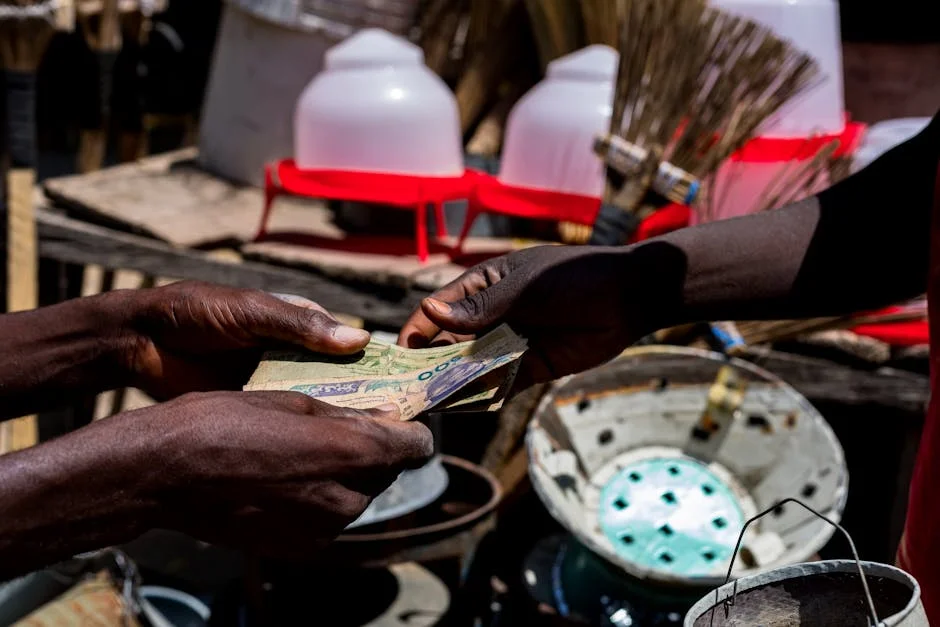
Africa’s trade dynamics remain heavily skewed towards external partners, with a significant portion of intra-African trade still relying on cumbersome cash transactions and disparate banking systems. Dr Mumuni highlighted that when businesses in Accra trade with partners in Lagos or Abidjan, they often face higher transaction costs and slower settlement times compared to their European or Asian counterparts.
These inefficiencies trickle down to the everyday consumer. Importers pay more for logistics and financial clearing, which increases the shelf price of essential goods. For the average household in Accra or Kumasi, this means that basic commodities like rice, fuel, and building materials remain more expensive than they would be in a fully integrated regional market.
The economic implication is profound. When capital moves freely, investment follows. However, current barriers discourage foreign direct investment that could otherwise create jobs and stimulate local industries. Mumuni’s comments underscore the urgency of addressing these structural weaknesses before they become entrenched features of the African economic landscape.
Impact on Nigerian and West African Economies
The relevance of Mumuni’s warning extends well beyond Ghana’s borders. Nigeria, as the continent’s largest economy, is deeply intertwined with its West African neighbors. Any progress in regional financial integration in Ghana will have immediate spillover effects on the Nigerian economy. Conversely, stagnation in Accra’s financial reforms can create bottlenecks that affect trade flows into Lagos.
For Nigerian businesses operating in Ghana, or Ghanaian firms investing in Nigeria, the current lack of harmonized banking regulations creates unnecessary friction. Cross-border payments often require multiple conversions and approvals, increasing the cost of doing business. This directly affects the competitiveness of West African products in the global market.
The Bank of Ghana’s push for stronger cooperation aligns with broader regional efforts, such as the African Continental Free Trade Area (AfCFTA). However, without concrete financial mechanisms to support trade, the AfCFTA risks becoming a paper tiger. Nigerian policymakers and business leaders are watching Ghana’s progress closely, viewing it as a potential model for accelerating regional integration.
Challenges in Monetary Harmonization
One of the biggest hurdles is the disparity in monetary policies across the region. While some countries are adopting inflation-targeting regimes, others are still grappling with exchange rate volatility. Dr Mumuni explained that achieving true financial integration requires a degree of policy coordination that many central banks have been reluctant to cede.
For instance, if Ghana decides to raise interest rates to curb inflation, while Nigeria keeps rates steady to boost growth, the divergence can lead to capital flight from one country to another. This unpredictability makes it difficult for businesses to plan for the long term. It also complicates the lives of migrant workers who send remittances back home, as exchange rates can swing wildly.
Addressing these challenges requires political will and technical expertise. Central banks must be willing to share data, coordinate interventions, and possibly even harmonize key financial regulations. This is a complex task, but the cost of inaction is becoming increasingly clear to policymakers across the region.
Community and Social Implications
The social impact of financial fragmentation is often overlooked. When cross-border trade is efficient, it creates jobs not just in the formal sector, but also in logistics, retail, and services. In border towns like Aflao in Ghana and Accra’s major markets, traders rely on smooth financial flows to stock their shelves and pay their suppliers.
When these flows are disrupted, small businesses suffer. A trader in Accra who imports goods from Nigeria may find that delays in payment clearance force them to hold more inventory, tying up capital and reducing profit margins. These margins are often thin, meaning that even small inefficiencies can threaten the viability of small and medium-sized enterprises (SMEs).
Furthermore, financial integration can enhance financial inclusion. If mobile money platforms and banking apps can operate seamlessly across borders, more people in rural areas can access credit and savings accounts. This can empower women entrepreneurs and young startups, driving social mobility and reducing poverty. The potential benefits are significant, but they require sustained effort and investment.
Regional Responses and Policy Shifts
In response to these challenges, several West African nations have begun to explore deeper financial cooperation. The Economic Community of West African States (ECOWAS) has been working on a common monetary policy, although progress has been gradual. Dr Mumuni’s latest comments add weight to these efforts, suggesting that the window for action is narrowing.
Ghana itself has taken steps to modernize its financial sector. The introduction of the Ghana Cedi digital currency and the expansion of mobile banking networks are part of this broader strategy. These initiatives are designed to reduce transaction costs and increase transparency, making it easier for businesses and consumers to participate in the regional economy.
Other countries are also moving in the same direction. Nigeria has been reviewing its foreign exchange policies to make them more flexible, while Senegal has been investing in digital infrastructure to support cross-border payments. These individual efforts, when combined, can create a more cohesive and resilient regional financial system.
What Citizens Should Watch Next
For the average citizen, the path to greater financial integration is not without its challenges. In the short term, there may be adjustments in interest rates, exchange rates, and tax policies as countries align their economic strategies. These changes can affect borrowing costs, savings returns, and the price of imported goods.
However, the long-term outlook is promising. If African nations can overcome their differences and build a truly integrated financial market, the benefits will be substantial. Citizens can expect lower prices, more job opportunities, and greater economic stability. The key will be to maintain momentum and ensure that the benefits of integration are shared widely across society.
As the Bank of Ghana and other regional institutions continue to push for cooperation, the focus will likely shift to implementation. Policymakers will need to translate high-level agreements into concrete actions that affect daily life. This will require close monitoring of key economic indicators and a willingness to adapt to changing conditions.
The Road Ahead for African Finance
Dr Mumuni’s warning serves as a call to action for all stakeholders. Governments, central banks, businesses, and citizens all have a role to play in building a more integrated and prosperous Africa. The time for half-measures and incremental progress is passing. Bold and coordinated action is needed to secure the continent’s financial future.
The coming months will be critical. Key decisions on monetary policy, trade agreements, and financial regulations will be made. These decisions will shape the economic landscape for years to come. Citizens should stay informed and engaged, as their voices and choices will influence the direction of this vital transformation.
Looking forward, the next major milestone will be the review of the AfCFTA implementation plan, scheduled for later this year. This review will assess progress and identify areas for improvement. It will also provide an opportunity for countries like Ghana and Nigeria to showcase their leadership and drive the agenda forward. The outcome of this review will be a key indicator of whether Africa is truly on the path to financial unity.
See Also
- Capitec Unveils AI System to Expedite Customer Service — Here's What It Means
- BBC Slams Top Law Firms for Resisting South Africa’s Legal Transformation