South Africa’s southern coastline is currently witnessing an unprecedented surge in whale populations, a phenomenon driven by shifting ocean currents linked to the ongoing geopolitical tensions in the Persian Gulf. This ecological shift is not merely a scenic bonus for tourists; it poses immediate logistical and economic challenges for local fishing communities in the Western Cape. The direct impact on citizens ranges from disrupted daily fishing routines to a potential boom in eco-tourism revenue, fundamentally altering the local economy in regions like Hermanus and Gansbaai.
Geopolitical Ripples Reach Local Shores
The connection between the war in Iran and the whales off the coast of South Africa may seem tenuous, but marine biologists have drawn a clear line. The disruption of trade routes and increased naval activity in the Persian Gulf has altered deep-sea current patterns. These currents, which feed the rich nutrient upwelling along the South African coast, have intensified. This change has attracted massive pods of Southern Right Whales further north and east than usual, bringing them into direct contact with human activity.
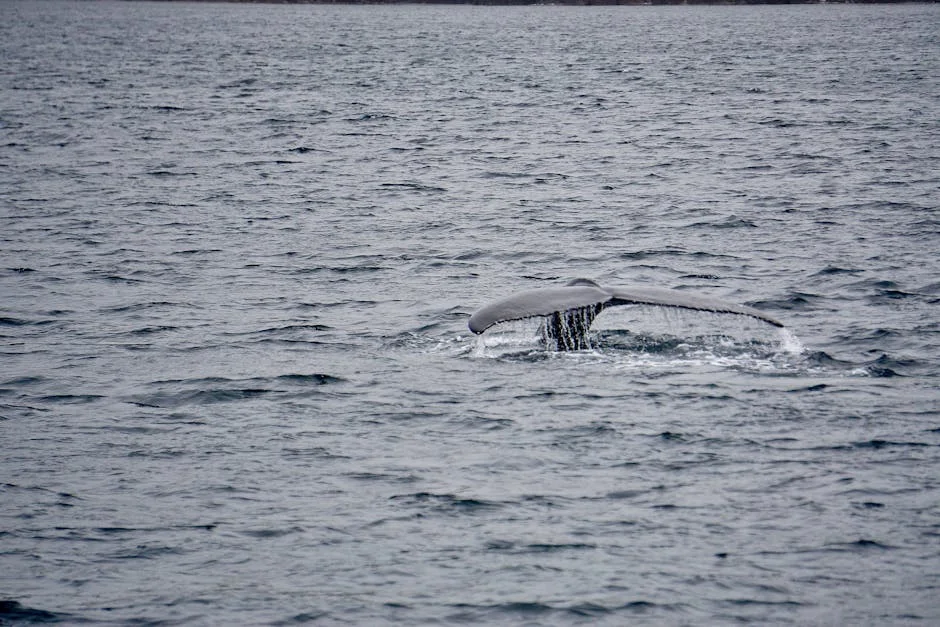
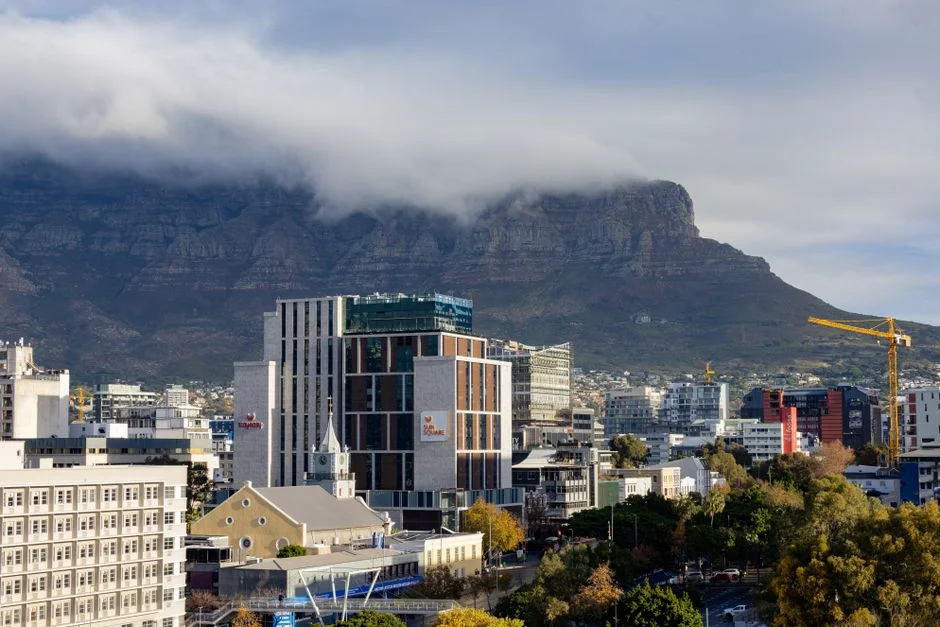
Local residents in towns like Cape Town and St. Francis Bay have reported seeing these giants closer to the shore than in any decade. For the average citizen, this means that the sea, often viewed as a distant resource, has suddenly become a shared space with one of the ocean’s largest mammals. The presence of these animals forces a re-evaluation of how coastal communities interact with their marine environment, turning a biological event into a socio-economic issue.
Marine scientists at the University of Cape Town have confirmed that the migration patterns are shifting due to these current changes. Dr. Sarah Jenkins, a lead marine ecologist, noted that the whales are following food sources that have moved closer to the continental shelf. This scientific confirmation provides a solid basis for the local government to implement new maritime guidelines, ensuring that the intersection of human and whale activity is managed effectively.
Disruption to the Local Fishing Industry
The immediate consequence of this whale surge is a significant disruption to the local fishing industry. Commercial trawlers and small-scale boat operators in the Western Cape have found their nets tangled with whale tails and their engines stalled by curious calves. The economic loss for these families is tangible. A single day lost to whale encounters can mean a week’s worth of income for a small-scale fisherman in places like Kalkbay.
Fishermen are forced to alter their routes, often venturing further out to sea to avoid the dense whale pods. This increases fuel costs and extends working hours, putting more pressure on already strained household budgets. The tension between preserving the whale population and maintaining a viable livelihood for local families is becoming a central topic of debate in community meetings.
Local unions have begun to demand compensation or subsidies for fuel and lost catch. The Western Cape Fisheries Department is under pressure to introduce a whale-sighting alert system for boats. This system would use radio broadcasts and mobile apps to inform fishermen of high-density whale areas, allowing them to plan their trips more efficiently. Such measures are critical for maintaining social stability in these coastal towns.
Community Response and Adaptation
Communities are responding with a mix of frustration and adaptation. Some fishermen have started offering "whale-watching" excursions during off-hours, diversifying their income streams. This grassroots innovation shows how local citizens are leveraging the situation to create new economic opportunities. However, not all fishermen have the capital or equipment to transition into tourism, leaving some behind in the shift.
Local councils in towns like Hermanus have organized workshops to help fishermen understand whale behavior. These sessions aim to reduce accidental collisions and net damage by teaching boat operators how to navigate around the pods. This educational approach is essential for reducing conflict and fostering a sense of shared ownership of the marine resource. It transforms the whales from an annoyance into a community asset.
Boom in Eco-Tourism Revenue
While fishing communities face challenges, the tourism sector is experiencing a windfall. The presence of Southern Right Whales is a major draw for international and domestic tourists. Hotels, B&Bs, and tour operators in coastal towns are reporting record bookings. This influx of cash provides a direct economic boost to local businesses, from restaurants to souvenir shops.
The revenue generated from whale watching tours is substantial. A single tour can cost between R500 and R1,000 per person, with groups often numbering in the dozens. This money circulates through the local economy, creating jobs for guides, boat captains, and hospitality staff. For towns that have struggled with seasonal unemployment, the extended whale season offers a much-needed financial cushion.
However, the benefit is not evenly distributed. Large tour operators often capture the majority of the profits, while smaller local businesses may see only a trickle-down effect. Local governments are now considering levying a "whale tax" on tourism revenue to fund community projects and support affected fishermen. This policy move aims to ensure that the economic gains from the whale surge are shared more equitably among residents.
Social Impact on Coastal Communities
The social fabric of coastal communities is being reshaped by this ecological event. The whales have become a source of local pride and identity. Schools have incorporated whale watching into their curriculums, teaching children about marine biology and conservation. This educational shift fosters a deeper connection between the younger generation and their environment, potentially leading to more sustainable practices in the future.
Community events centered around the whales, such as the annual Whale Festival in Hermanus, have grown in size and significance. These festivals bring together locals and visitors, fostering social cohesion and cultural exchange. They also provide a platform for local artists and craftsmen to showcase their work, further stimulating the local economy. The whales have effectively become a social glue, binding the community together through shared experience and celebration.
However, the increased tourist traffic also brings social challenges. Overcrowding and noise pollution can disturb both the whales and the residents. Locals are calling for better crowd management and stricter regulations on boat speeds and numbers. Balancing the needs of the whales, the tourists, and the residents is a delicate task that requires ongoing dialogue and cooperation among all stakeholders.
Economic Consequences for the Region
The broader economic impact of the whale surge extends beyond the immediate coastal towns. The increased tourism revenue contributes to the provincial and national economy through tax collections and job creation. This influx of capital can be reinvested in infrastructure, healthcare, and education, benefiting the wider region. The whales are thus acting as an economic catalyst, driving growth and development in the Western Cape.
However, there is a risk of over-reliance on whale tourism. If the whales return to their traditional routes due to changing currents or other factors, the local economy could face a sudden downturn. Diversification is key to ensuring long-term economic resilience. Local planners are encouraging the development of other tourism attractions, such as hiking trails and cultural heritage sites, to reduce dependence on the whales alone.
The fishing industry also faces long-term economic adjustments. As whale populations stabilize in the area, fishermen may need to adopt new technologies and techniques to coexist with the giants. This could include using whale-friendly nets and adjusting fishing seasons. These changes require investment and training, which could be supported by government grants and international aid. The goal is to create a sustainable fishing industry that can thrive alongside the whales.
What to Watch Next
Residents and investors should monitor the upcoming Western Cape Coastal Management Plan, which is set to be voted on by local councils in the next quarter. This plan will determine the regulatory framework for whale watching and fishing activities in the region. Key decisions will include the implementation of speed limits for boats, the establishment of no-fishing zones, and the allocation of tourism revenue to community funds.
Additionally, marine biologists will release a new report on whale migration patterns in the coming months. This data will be crucial for understanding the long-term impact of the Iran war on ocean currents and whale behavior. Communities should prepare for potential shifts in whale density, which could affect both tourism and fishing industries. Staying informed and engaged in local decision-making processes will be essential for navigating this evolving situation.
See Also
- ICPC Advocates For Proper Synergy Between Armed Forces And Para-Military Agencies In Nigeria
- Man Shot Dead While Attempting to Snatch Electoral Materials at Kogi Polling Unit
What is the latest news about iran war triggers whale crisis near south africa?
Why does this matter for politics-governance?
What are the key facts about iran war triggers whale crisis near south africa?