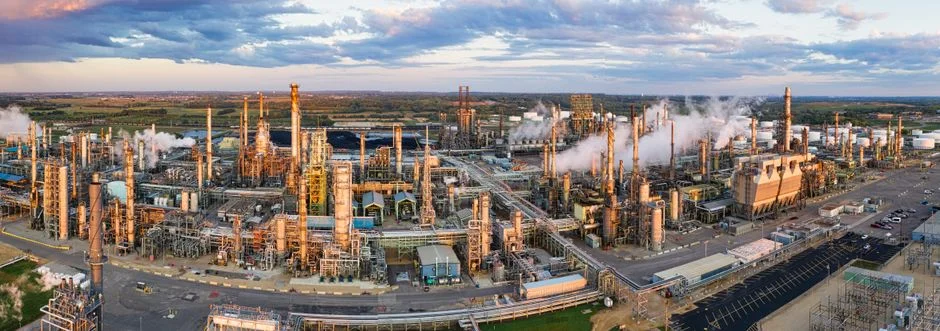
Residents of Ahoada West Local Government Area in Rivers State face renewed economic and environmental distress following the discovery of a fresh crude oil spill. The alert group responsible for monitoring local extraction activities confirmed that illegal tapping has resumed, threatening livelihoods in this historically volatile region. This development places immediate pressure on local communities who rely heavily on agriculture and fishing for daily sustenance.
The spill represents more than just an environmental blight; it is a direct assault on the local economy. Farmers in the area watch their crops wither under the weight of black gold, while fishermen find their nets entangled in debris. The situation underscores the persistent challenges faced by the Niger Delta region in balancing resource extraction with community welfare.
Immediate Environmental Damage in Ahoada West
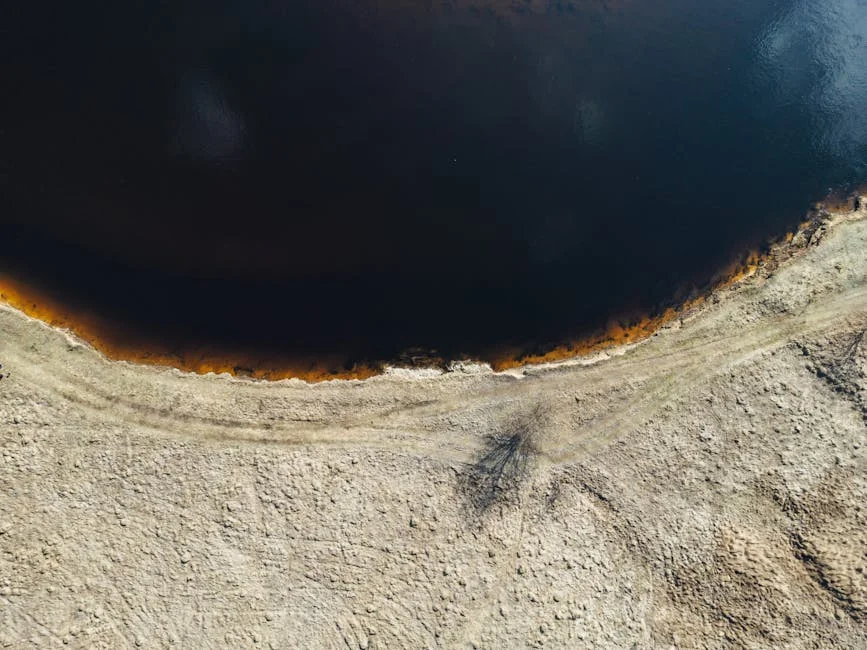
The discovery of the spill has sent shockwaves through the Ahoada West community. Local observers report that the crude oil has seeped into nearby farmlands, coating the soil and rendering it temporarily unusable for planting. This type of contamination is particularly devastating because it affects the primary source of income for many households in the area.
Fishermen are also feeling the immediate sting of the disaster. Rivers that usually teem with tilapia and catfish are now showing signs of oxygen depletion due to the oil layer. The water quality has deteriorated rapidly, forcing many families to switch to more expensive market-bought fish or rely on less nutritious alternatives. This shift directly impacts the dietary health of children and the elderly in the community.
The visual impact is stark. Shimmering patches of crude oil float on the surface of local waterways, creating an iridescent but deadly film. Birds and small aquatic animals are often the first casualties, struggling to breathe or move through the viscous liquid. This ecological disruption threatens the long-term biodiversity of the Ahoada West ecosystem, which has been recovering slowly from previous spills.
Economic Fallout for Local Households
The economic implications of the Ahoada West oil spill are profound and immediate. Agriculture remains the backbone of the local economy in Rivers State, particularly in areas like Ahoada West where oil infrastructure often overlaps with farming communities. When a spill occurs, the cost of cleaning up farmlands falls disproportionately on the farmers, who often lack the financial buffers to absorb the shock.
Market prices for local produce are likely to rise as supply chains are disrupted. Vegetables such as bitter leaf, ugu, and waterleaf, which are staples in the Rivers diet, may become scarcer and more expensive. This inflationary pressure hits the average household hard, reducing the purchasing power of wages earned in nearby towns or in the oil sector itself.
Small traders and market women are already adjusting their strategies. Some are traveling further to source fresh produce from less affected areas, incurring higher transportation costs. Others are reducing their stock levels to minimize losses, which can lead to a ripple effect of reduced income for the entire local trading community. The financial strain is evident in the changing dynamics of local markets in Ahoada.
Impact on Fishing Communities
Fishing communities in Ahoada West are facing a dual threat: reduced catch and contaminated stock. The oil spill reduces the number of fish available, forcing fishermen to cast their nets further out or spend more time on the water for the same yield. This increases their fuel costs and labor hours, squeezing their profit margins.
Contamination fears also loom large. Even if fish are caught, consumers are wary of buying seafood from the immediate vicinity of the spill. This perception of risk can last long after the visible oil has been cleared, affecting the market value of the catch for months. Fishermen report that buyers are haggling more aggressively, citing the potential for an oily taste or smell in the fish.
Community Response and Local Activism
Residents of Ahoada West are not waiting passively for relief. Community leaders have organized town hall meetings to discuss immediate mitigation strategies. There is a growing demand for transparency from both the oil companies operating in the area and the state government. Citizens want to know the exact source of the spill and the timeline for cleanup efforts.
Local vigilante groups and development associations have stepped up their patrols. They are documenting the extent of the damage through photographs and video, creating a visual record that can be used for future claims or negotiations. This grassroots activism is crucial in a region where official reports can sometimes lag behind the reality on the ground.
The community is also looking for solidarity from neighboring areas. By sharing resources and information, Ahoada West residents hope to amplify their voice. This collective action is a key part of the social fabric of Rivers State, where community bonds are often the first line of defense against external shocks.
Government and Corporate Accountability
The Rivers State government has a critical role to play in managing this crisis. Officials are under pressure to deploy cleanup crews and provide immediate relief to affected families. The state ministry of environment is expected to issue an official assessment of the spill, which will determine the scale of the financial compensation required.
Oil companies operating in Ahoada West face scrutiny over their maintenance and monitoring protocols. The discovery of the tapping suggests that existing infrastructure may have been vulnerable to leakage or that illegal tapping operations went undetected for too long. Companies must demonstrate that they are taking proactive measures to prevent recurrence, rather than just reacting to each spill.
Accountability extends to the regulatory bodies as well. The effectiveness of the Rivers State Ministry of Petroleum Resources in monitoring these operations will be tested. Residents want to see concrete actions, such as increased patrols and stricter penalties for negligence, to ensure that the cycle of spill and apology does not continue indefinitely.
Long-Term Social Consequences
Beyond the immediate economic and environmental damage, the spill has social consequences. Stress levels in the community are rising as families worry about their financial stability. This anxiety can lead to social friction, with tensions rising between neighbors competing for limited resources or blaming each other for the lack of effective action.
Education can also be disrupted. If the cleanup process requires the closure of local roads or the temporary evacuation of certain areas, students may miss school days. This interruption can have a compounding effect on academic performance, particularly for children who already face educational challenges in the Niger Delta region.
Health concerns are another long-term issue. Prolonged exposure to crude oil and its byproducts can lead to respiratory problems, skin irritations, and other health issues. The community health centers in Ahoada West may see an uptick in patients presenting with these symptoms, placing additional strain on the local healthcare system.
What to Watch Next
The coming weeks will be critical for Ahoada West. Residents should monitor official announcements from the Rivers State government regarding the deployment of cleanup crews and the initiation of compensation processes. The timeline for these actions will indicate the urgency with which the crisis is being treated.
Community leaders are expected to release a detailed report on the extent of the damage, which will serve as a baseline for future negotiations with oil companies. This report will likely include specific figures on the number of affected households, the volume of oil spilled, and the estimated financial loss to the local economy.
Watch for potential protests or rallies if the initial response is deemed inadequate. History shows that Rivers State communities are quick to mobilize when their grievances are not addressed promptly. The level of community engagement and the clarity of their demands will be key indicators of how this crisis will unfold in the short and long term.
See Also
- South Africa Police Launch Murder Hunt After Two Mozambican Men Killed in Mossel Bay
- Nigeria Halts Gold ETFs — Investors Face Sudden Blackout
The level of community engagement and the clarity of their demands will be key indicators of how this crisis will unfold in the short and long term. This collective action is a key part of the social fabric of Rivers State, where community bonds are often the first line of defense against external shocks.