The United States has formally accelerated its military footprint in Accra, transforming a modest logistical hub into a strategic stronghold. This expansion directly challenges Nigeria’s traditional dominance in West African security. Citizens across the region must understand how this shift impacts local economies and daily safety.
US Troops Move Into Ghana's Capital
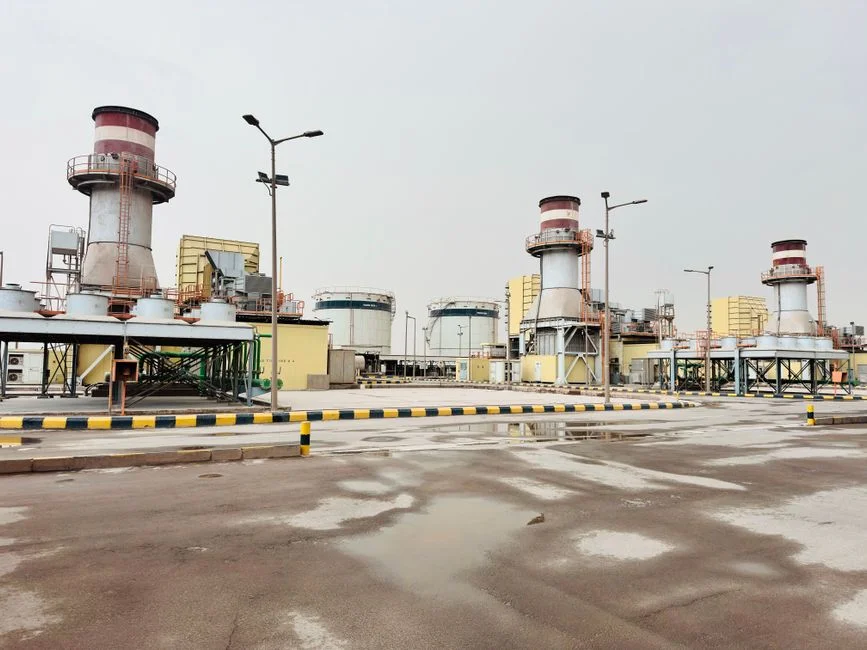
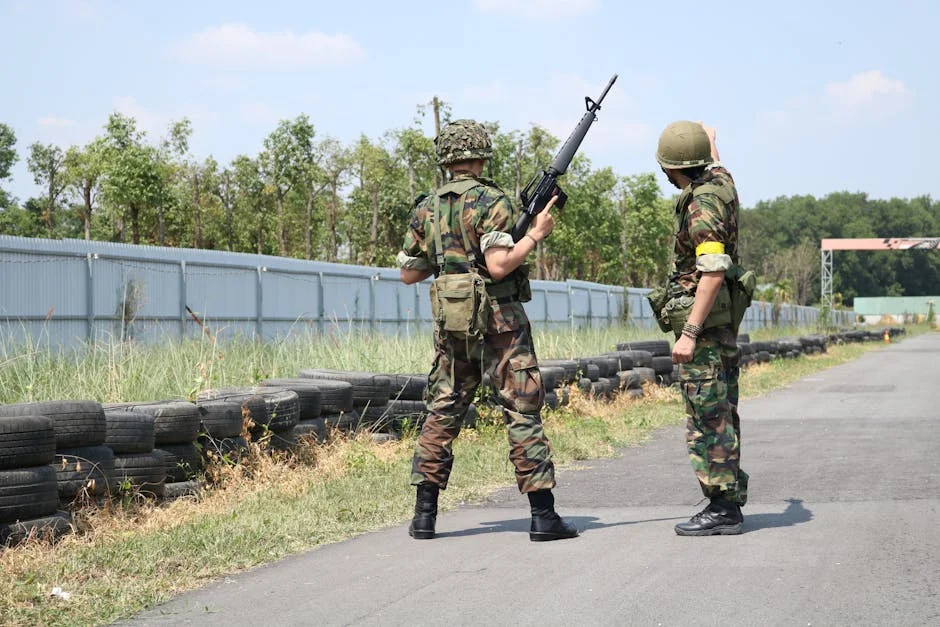
American forces have taken control of the Teshie Naval Base in Accra. This move marks a decisive step in Washington’s broader strategy to secure the Gulf of Guinea. The base will host over 200 military personnel and advanced surveillance equipment.
Nigerian observers note that this development alters the balance of power. For decades, Abuja has led the Economic Community of West African States (ECOWAS) security architecture. Now, Accra is becoming a primary node for US logistical support. This changes how regional threats are monitored and responded to.
Local communities in the Greater Accra Region are seeing immediate changes. Construction crews have been working around the clock. Roads leading to the base are frequently congested with military convoys. Residents report increased noise and traffic disruptions near the coastline.
Economic Ripples Across West Africa
The economic implications of this military expansion are profound. Local businesses near the Teshie base are experiencing a surge in demand. Restaurants, hotels, and transport services are seeing increased revenue from American personnel. However, inflation in the area has also risen.
Nigeria’s economy feels the pressure from this shift. As Ghana attracts more foreign military spending, Nigerian companies may lose out on contracts. This could affect the broader West African trade dynamics. The naira may face indirect pressure as investment flows towards Accra.
Small traders in Accra are adapting quickly. Many have started selling goods tailored to American tastes. This includes specific brands of coffee, snacks, and household items. The local currency, the cedi, benefits from the influx of dollars. This creates a micro-economy centered around the base.
Impact on Local Businesses
Local entrepreneurs are leveraging the presence of US troops. They are opening new shops and services within walking distance of the base. This creates jobs for young Ghanaians. However, it also raises concerns about gentrification in the Teshie area.
Property prices near the base have increased by 15 percent. This makes housing less affordable for local families. Some residents are being displaced to make room for military infrastructure. The community is divided over the economic benefits versus the social costs.
Security Dynamics in the Region
Security in the Gulf of Guinea has improved due to the US presence. Piracy rates have dropped significantly in recent years. American ships and aircraft provide constant surveillance of the waters. This benefits Nigerian fishermen and traders who rely on the sea.
However, Nigeria worries about its leadership role. If Ghana becomes the primary US ally, Nigeria may lose influence. This could weaken Nigeria’s ability to negotiate regional security deals. Abuja is working to maintain its diplomatic leverage.
Local communities in coastal areas feel safer. The presence of US warships deters pirates. This allows fishermen to venture further out to sea. It also boosts confidence in the local fishing industry. Safety is a tangible benefit for everyday citizens.
Community Reactions in Accra
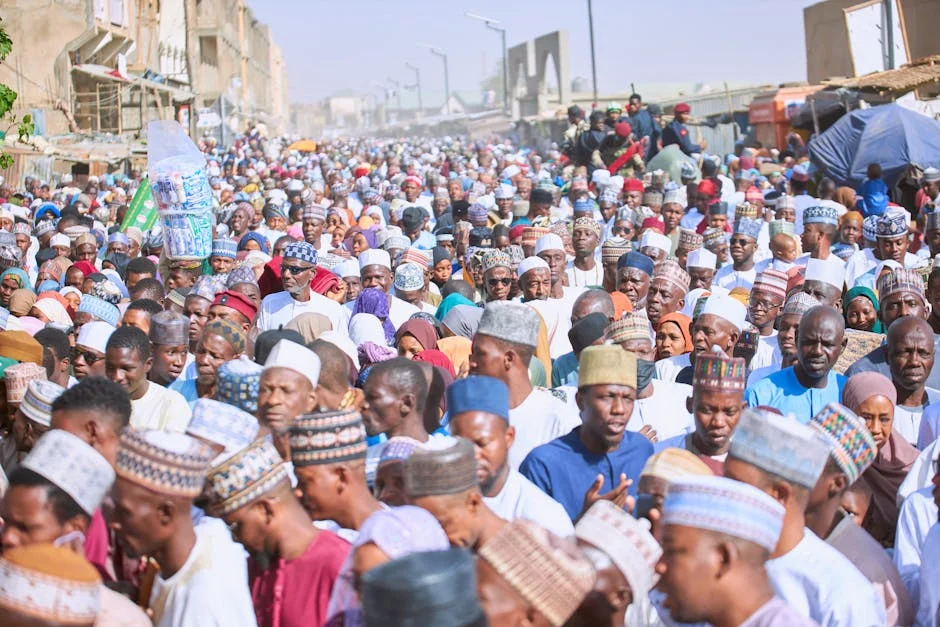
Residents in Accra have mixed feelings about the US military. Some welcome the economic opportunities. Others worry about cultural changes and land use. Protests have erupted in the Teshie neighborhood. Locals demand more transparency from the Ghanaian government.
Community leaders have called for better engagement. They want to know how long the US troops will stay. They also want assurances that local rights will be respected. The Ghanaian Ministry of Defence has held town hall meetings to address these concerns.
Youth groups are particularly active in the debate. They see the base as a source of employment. They also see it as a symbol of foreign influence. This duality creates a complex social dynamic. The community is navigating a new reality.
Nigeria’s Strategic Response
Nigeria is responding to the Ghana development with caution. Abuja is strengthening its own military infrastructure. It is also deepening ties with other regional partners. Nigeria wants to ensure it remains a key player in West African security.
The Nigerian government is reviewing its defence partnerships. It is looking at deals with France, the UK, and the US. This is to balance the growing influence of Ghana. Nigeria knows that strategic positioning is crucial for future influence.
Political analysts in Lagos are closely watching the situation. They believe Nigeria must adapt its approach. This includes investing in technology and training. Nigeria needs to show that it is a reliable partner. This will help maintain its regional leadership status.
Long-Term Regional Implications
The expansion of the US military footprint in Ghana is a long-term commitment. It will likely shape regional politics for decades. This affects how countries like Nigeria, Senegal, and Ivory Coast interact. The balance of power is shifting towards a more multipolar region.
Citizens in West Africa need to stay informed. These changes affect trade, security, and daily life. Understanding the strategic moves helps communities prepare. It also allows for better engagement with local governments. Informed citizens are better equipped to navigate change.
The region is at a crossroads. Ghana’s deal with the US is a catalyst. It forces other countries to rethink their strategies. This creates both opportunities and challenges. The next few years will be critical for West African integration.
What to Watch Next
Readers should monitor the upcoming defence agreements. Nigeria is expected to announce new partnerships soon. Watch for announcements from the Ghanaian Ministry of Defence. They will provide updates on the Teshie base expansion. These developments will shape the region’s future.
See Also
- South African Business Confidence Index Slides — What That Means for West Africa
- NCCE Boss Warns Nigeria's Teacher Training Crisis Threatens 50 Million Students
Impact on Local Businesses Local entrepreneurs are leveraging the presence of US troops. However, it also raises concerns about gentrification in the Teshie area.