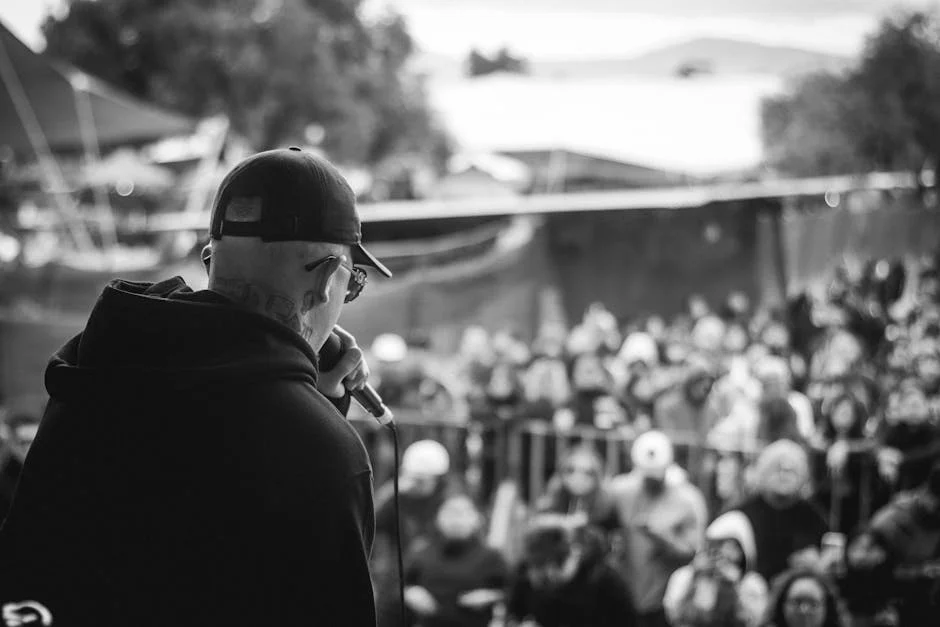
Portuguese artist Deus delivered a high-energy performance in Lagos that has sent shockwaves through the Nigerian music scene. The concert, held in the heart of the commercial capital, drew thousands of fans eager to witness the cross-Atlantic musical takeover. This event marks a significant moment for cultural exchange between West Africa and Southern Europe.
Deus Conquers the Lagos Stage
The performance in Lagos was not just a concert; it was a statement of intent for the Portuguese star. Deus brought a unique blend of hip-hop, funk, and traditional Portuguese rhythms that resonated deeply with the local audience. The energy in the venue was palpable as fans chanted along to hits that had previously been confined to Lisbon clubs.

Local organizers reported that ticket sales surged in the final week, indicating a growing appetite for international acts that offer more than just pop melodies. This trend suggests that Nigerian music consumers are increasingly diverse in their tastes, looking beyond the dominant Afrobeats wave. The success of this show in Lagos provides a blueprint for other European artists considering the African market.
Why This Cultural Shift Matters
This event is more than a one-off gig; it signals a deeper integration of European and African musical markets. For years, African artists have dominated European charts, but the reverse flow has been slower to gain momentum. Deus's success in Nigeria challenges the notion that the market is saturated with local talent alone. It opens doors for more cross-continental collaborations that could redefine the sound of modern Afro-pop.
The impact on local communities in Lagos is immediate and tangible. Local vendors, transport workers, and hospitality businesses saw a direct boost in revenue during the concert week. This economic ripple effect is crucial for the informal sector, which forms the backbone of the Lagos economy. When international stars visit, they bring not only fans but also spending power that circulates through the local economy.
Economic Impact on Local Vendors
Street vendors near the venue reported selling out of merchandise and snacks within hours of the show starting. This influx of cash provides a much-needed boost to small business owners who often struggle with fluctuating consumer demand. The concert also highlighted the importance of infrastructure, as traffic congestion and power supply issues were tested by the influx of attendees.
Local taxi drivers and ride-hailing services experienced a spike in bookings, with fares increasing by up to thirty percent during peak hours. This temporary surge in income helps many families cover weekly expenses, demonstrating how cultural events can have direct economic benefits. However, it also exposes the fragility of the local transport network, which often struggles to handle large-scale events.
The Role of Key Collaborators
The success of the Lagos show was not solely due to Deus; it was a collective effort involving several key figures. Pascal, a prominent local producer, played a crucial role in bridging the gap between the Portuguese artist and the Nigerian audience. His understanding of local music trends helped tailor the setlist to maximize engagement with the Lagos crowd.
Carolina Franco, a noted music critic, praised the production quality and the artist's ability to connect with the audience. Her analysis highlights the importance of local expertise in international tours, ensuring that cultural nuances are respected and leveraged. Numa, another key organizer, emphasized the logistical challenges of bringing a European act to Nigeria, from visa processing to equipment importation.
These collaborations underscore the interconnectedness of the modern music industry. No single artist can dominate a market without the support of local partners who understand the on-the-ground realities. This model of partnership is likely to become more common as more European artists look to expand their footprint in Africa.
Challenges and Opportunities for the Region
While the concert was a success, it also highlighted existing challenges in the Nigerian entertainment sector. Infrastructure deficits, such as inconsistent power supply and traffic congestion, remain significant hurdles for event organizers. These issues can affect the overall experience for attendees and increase the cost of production for international acts.
Despite these challenges, the opportunity for growth is immense. Nigeria's large population and growing middle class present a lucrative market for international artists. The success of Deus's show in Lagos proves that there is a ready audience for diverse musical offerings. This could encourage more investment in local venues and event infrastructure, creating a more robust ecosystem for live music.
Local musicians are also taking note of this trend. Many are looking for ways to collaborate with European artists to broaden their appeal. This cross-pollination of styles can lead to innovative new sounds that resonate with global audiences. It is a strategic move that could help Nigerian artists maintain their competitive edge in the international market.
What to Watch Next
The success of Deus in Lagos sets the stage for more international collaborations and concerts in the region. Fans should keep an eye on upcoming announcements from other European artists who may follow in his footsteps. The next six months will be critical in determining whether this is a fleeting trend or a lasting shift in the African music landscape.
Local organizers are already planning similar events, aiming to replicate the success seen in Lagos. These upcoming shows will test the sustainability of the model and the willingness of Nigerian audiences to embrace more international acts. The outcomes of these events will provide valuable insights into the future of cultural exchange between Nigeria and Europe.
Frequently Asked Questions
What is the latest news about portuguese star deus blasts lagos fans react to wild show?
Portuguese artist Deus delivered a high-energy performance in Lagos that has sent shockwaves through the Nigerian music scene.
Why does this matter for economy-business?
This event marks a significant moment for cultural exchange between West Africa and Southern Europe.
What are the key facts about portuguese star deus blasts lagos fans react to wild show?
Deus brought a unique blend of hip-hop, funk, and traditional Portuguese rhythms that resonated deeply with the local audience.
Her analysis highlights the importance of local expertise in international tours, ensuring that cultural nuances are respected and leveraged. Numa, another key organizer, emphasized the logistical challenges of bringing a European act to Nigeria, from visa processing to equipment importation.