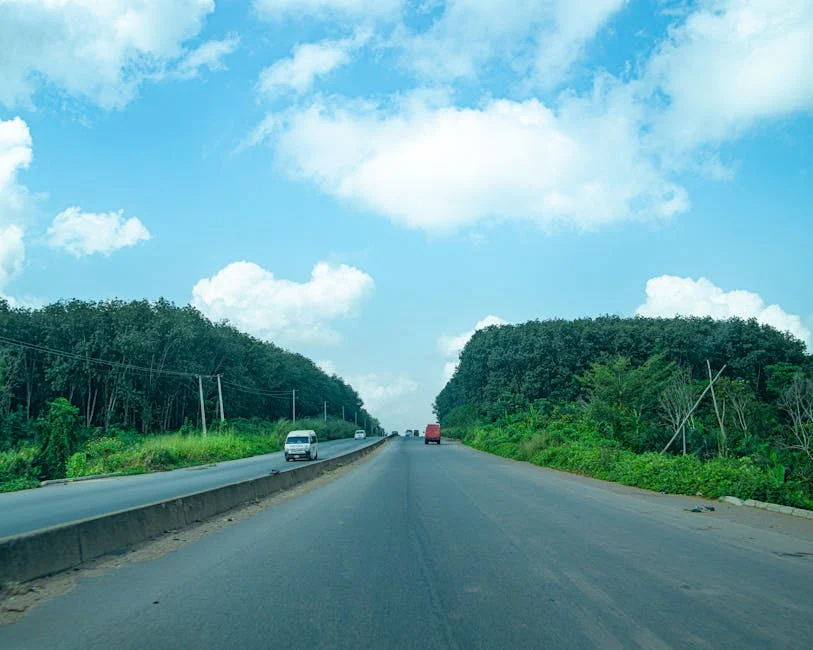
The recent decision by Nada to halt progress on a major highway project has left communities in Northern Nigeria grappling with the potential impact on daily life and local economies. The highway, which was set to connect several key regions, promised to boost economic connectivity and facilitate easier access to essential services.
Nada Halts Highway Project
Nada, a prominent infrastructure firm, announced on Monday that it would pause work indefinitely on the highway project due to unforeseen financial constraints. The decision was confirmed in a statement by Nada's CEO, Musa Bello, who cited increasing costs and funding shortfalls as primary reasons. The highway was expected to span 120 kilometers, linking Kano to Katsina, directly affecting over 2 million residents in these areas.
This development comes after the company initially projected a completion date of late 2024, which now seems uncertain. Local governments and citizens were hopeful that the project would stimulate local businesses by improving transportation logistics, but the delay has raised concerns about future economic prospects.
Economic Consequences for Local Communities
For communities along the planned route, the highway was more than just a road; it was a lifeline for economic development. Business owners in Kano, for instance, had anticipated reduced transportation costs and increased trade with neighbouring regions. The halt in construction has left many wondering if these economic benefits will ever materialize.
In Katsina, local markets rely heavily on the movement of goods, and the road was expected to significantly cut travel time. "We were looking forward to easier access to suppliers and customers," said Amina Ibrahim, a market trader. Without the road, many fear that growth opportunities will stagnate, leaving communities in a state of economic uncertainty.
Social Impact and Community Response
The social impact of the project's suspension is also a growing concern. Improved road networks were expected to facilitate better access to education and healthcare services for rural communities. With the project's delay, residents fear continued isolation and limited access to essential services.
Community leaders have called for government intervention to ensure the project's resumption. In response, the Ministry of Works and Housing has initiated discussions with Nada to explore alternative funding solutions. These talks are crucial, as government officials recognize the road's potential to drastically improve quality of life in the region.
Future Prospects
The government's involvement could offer a glimmer of hope. By exploring partnerships with international investors or reallocating existing infrastructure funds, there may be a path forward. However, residents remain skeptical, as previous promises have often failed to materialize.
Next Steps: What to Watch
As discussions between Nada and government officials continue, stakeholders are keenly watching for any updates regarding funding solutions or a revised project timeline. Citizens and local business owners are particularly interested in how quickly and effectively these negotiations can translate into tangible actions.
In the coming months, the focus will be on whether the project can be revived and how communities can adapt to this temporary setback. With the potential for significant economic and social benefits on the line, both Nada and the Nigerian government face mounting pressure to resolve these issues swiftly.
See Also
- Bayern Triumph Reveals Guerreiro's Impact on Nigeria's Football Development: Here's What It Means
- NASA Unveils New Telescope Led by Nancy Grace Roman to Explore Deeper Space
See AlsoBayern Triumph Reveals Guerreiro's Impact on Nigeria's Football Development: Here's What It MeansNASA Unveils New Telescope Led by Nancy Grace Roman to Explore Deeper Space With the potential for significant economic and social benefits on the line, both Nada and the Nigerian government face mounting pressure to resolve these issues swiftly.