Groundbreaking research conducted by scientists in Great Britain has unveiled a potential game-changer in the fight against cancer. Published on October 15, 2023, the study investigates 'light switches' in cells, promising to revolutionise treatment methods. This innovation could significantly impact global cancer care, including in Nigeria, where access to advanced treatments remains a challenge.
Understanding the Breakthrough: The Science Behind It
The study, led by the University of Cambridge, focused on cellular mechanisms that control growth and division. Researchers discovered specific proteins acting as 'light switches' to regulate these processes. By manipulating these switches, new therapies could directly target cancer cells, reducing side effects compared to traditional treatments.
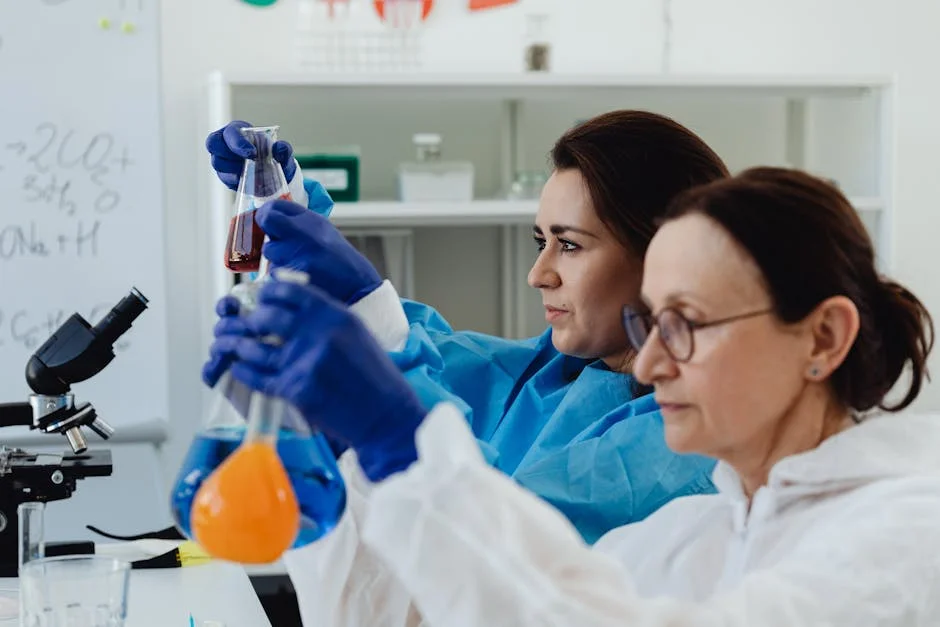
Dr. Emma Richards, the lead scientist, stated, "This represents a pivotal moment in cancer biology. Our findings could pave the way for more effective and personalised treatments." The study's publication in the journal 'Nature' has drawn considerable attention, marking a potential shift in cancer treatment strategies.
Potential Impact on Nigeria's Healthcare System
Nigeria's healthcare system faces numerous challenges, including limited access to advanced medical technologies. The findings from GB could influence treatment protocols, offering new hope to patients across the nation. Cancer is a leading cause of mortality in Nigeria, with over 100,000 new cases reported annually. Access to cutting-edge treatments could drastically improve patient outcomes.
Currently, many Nigerians seek treatment abroad due to insufficient local facilities. Integrating these new therapies could reduce the need for expensive overseas care. Furthermore, it could stimulate local healthcare innovation and investment, driving economic growth in the medical sector.
Community Response and Economic Implications
The Nigerian community has shown optimism regarding these developments. Patient advocacy groups, such as the Nigerian Cancer Society, have highlighted the potential benefits for early detection and treatment. "This breakthrough could transform how we approach cancer care in Nigeria," noted Oluwaseun Adeyemi, a spokesperson for the organisation.
Economically, the introduction of these therapies could decrease treatment costs over time, alleviating financial burdens on families. Additionally, it could attract foreign investment into Nigeria's healthcare industry, fostering job creation and infrastructure development.
Looking Ahead: Next Steps and What to Watch
The next phase involves clinical trials to test the efficacy and safety of these therapies in diverse populations, including those in Africa. Success in these trials could lead to widespread availability and integration into Nigeria's healthcare system.
Stakeholders will be closely monitoring the trial results, expected early next year, to assess potential impacts on national health policies. As the global community awaits further developments, Nigeria could play a pivotal role in shaping the future of cancer treatment in Africa.