The state of Colorado has decided to reject the proposed Anti-Repair Bill, a move that has significant implications for manufacturers and consumers alike. This decision, made by the Colorado legislature on October 15, 2023, comes after months of heated debate over consumer rights and the obligations of manufacturers.
The bill aimed to limit consumers' ability to repair their own electronic devices, pushing them towards authorised service providers. However, the rejection of this bill is seen as a victory for consumer rights advocates who argue that it allows for greater autonomy and reduced repair costs. This development is particularly relevant to tech users and businesses relying on electronic devices for daily operations.
Implications for Colorado Residents
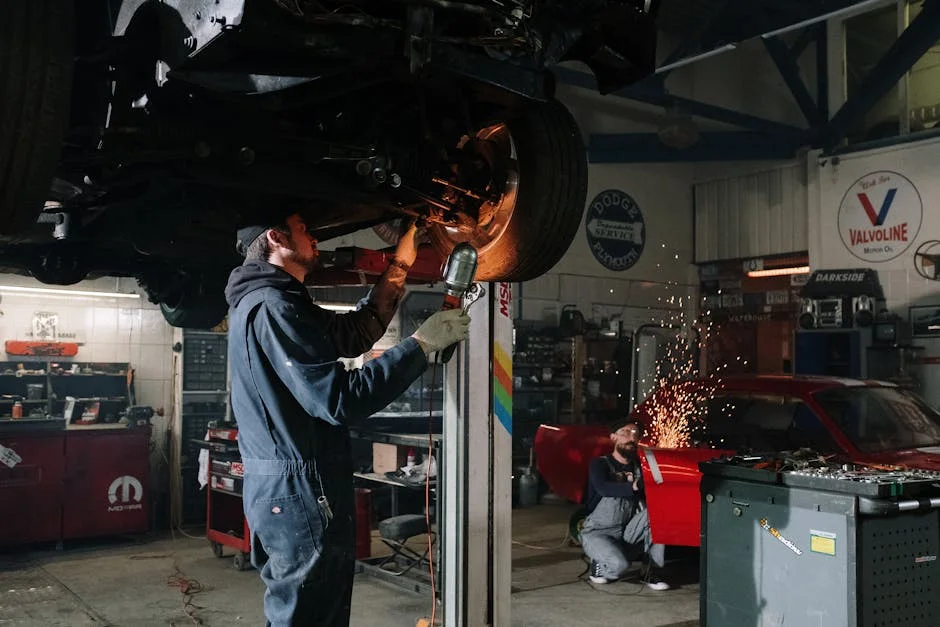
For the people of Colorado, the rejection of the Anti-Repair Bill means more freedom in how they manage and repair their personal electronic devices. Residents can now choose to repair their devices at independent shops, potentially saving money and time. This decision could also lead to a surge in local repair businesses, creating jobs and boosting the local economy.
John Smith, owner of a local electronics repair shop in Denver, stated, "This is a win for small businesses like mine. We can continue to provide affordable repair services without the constraints that big manufacturers wanted to impose." The rejection supports small businesses by preventing monopolisation of repair services by large tech companies.
Broader Impact on Consumer Rights
The rejection of the bill in Colorado is likely to resonate beyond the state's borders. It sets a precedent for other regions considering similar legislation, reinforcing consumer rights in an age where electronic devices are integral to daily life. This could spark a wider movement advocating for the right to repair, influencing policies in other states and even countries like Nigeria.
For Nigerian communities, the outcome in Colorado offers a model of successful advocacy against restrictive repair laws. As Nigeria continues to grow its tech industry, understanding and applying such consumer rights frameworks could empower local consumers and businesses.
Global Perspective: How This Affects Nigeria
While the immediate effects of Colorado's decision are local, the principles underlying the debate have global relevance. In Nigeria, where the tech industry is expanding rapidly, the rejection of the Anti-Repair Bill could encourage similar efforts to protect consumer rights. Nigerians can draw lessons from Colorado's experience in advocating for policies that favour consumer choice and economic growth.
The Nigerian tech market, projected to reach over $10 billion by 2025, faces its own challenges regarding repair rights and electronic waste. Colorado's stance could inspire Nigerian policymakers to consider laws that facilitate consumer access to repair services, potentially reducing electronic waste and fostering a more sustainable tech environment.
What to Watch Next
As the conversation around the right to repair continues, consumers and policymakers should keep an eye on similar legislative efforts in other US states and countries. The outcome in Colorado might influence future decisions in places that are grappling with similar issues. Moreover, the impact on local economies and small businesses is something to watch as they adapt to this new landscape.
Nigerian consumers and businesses should follow these developments closely, as they may offer insights into how to navigate the balance between consumer rights and corporate interests in the tech industry. As the global tech landscape evolves, ensuring accessible and affordable repair options remains a key consideration.
See Also
- Portuguese Judge Grants Pedro Delille Three-Month Reprieve Through Resignations - What It Means for African Legal Systems
- Ministro Lima Massano Reveals Key Insights at Radar África Conference: Here's What to Expect
See AlsoPortuguese Judge Grants Pedro Delille Three-Month Reprieve Through Resignations - What It Means for African Legal SystemsMinistro Lima Massano Reveals Key Insights at Radar África Conference: Here's What to Expect Moreover, the impact on local economies and small businesses is something to watch as they adapt to this new landscape.Nigerian consumers and businesses should follow these developments closely, as they may offer insights into how to navigate the balance between consumer rights and corporate interests in the tech industry.
What is the latest news about colorado rejects antirepair bill what it means for tech users?
Why does this matter for economy-business?
What are the key facts about colorado rejects antirepair bill what it means for tech users?