Singapore has embarked on a new initiative to explore the feasibility of geothermal energy to meet its power, heating, and cooling needs. This move, announced by the Energy Market Authority (EMA) on Monday, marks a shift towards sustainable energy sources as the city-state seeks to diversify its energy portfolio.
Singapore's Geothermal Ambitions
The Energy Market Authority has identified potential geothermal sites, such as the Sembawang Hot Spring Park, as part of its preliminary studies. The EMA aims to assess the viability of tapping into geothermal energy to reduce reliance on imported natural gas, which currently accounts for over 95% of Singapore's energy supply.
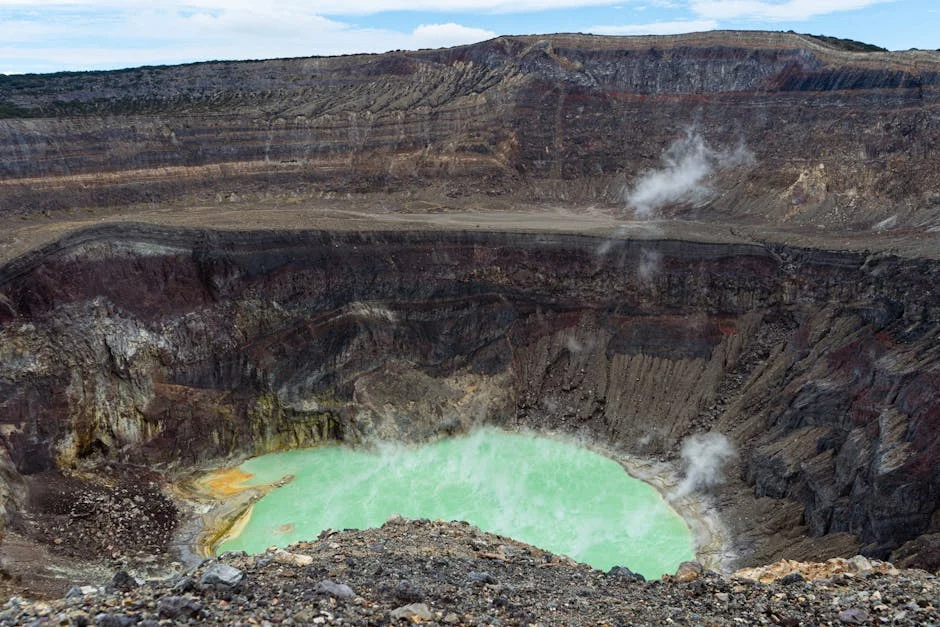
Geothermal energy, a renewable resource derived from the Earth's internal heat, offers a clean alternative that could significantly lower carbon emissions. The EMA's study is expected to take several months, with initial findings anticipated by mid-2024.
What Singapore's Move Means for Nigeria
Singapore's exploration into geothermal energy presents an opportunity for Nigeria to consider similar sustainable energy strategies. Both nations face the challenge of balancing economic growth with environmental sustainability. As Nigeria continues to grapple with its own energy demands, adopting innovative solutions like geothermal energy could pave the way for more sustainable development.
Moreover, Singapore's initiative may encourage Nigerian policymakers to explore partnerships or knowledge exchanges with Singapore. Such collaborations could expedite Nigeria's own transition to renewable energy sources, potentially attracting new investments in the energy sector.
Local and Regional Impact
For communities in Nigeria, the impact of adopting geothermal energy could be transformative. Reduced energy costs and increased energy security would directly benefit citizens, particularly in remote areas where energy access is limited. The potential for job creation in the renewable energy sector is another significant advantage.
Furthermore, as Nigeria observes Singapore's progress, there is an opportunity for local universities and research institutions to engage in studies and pilot projects that could lead to home-grown geothermal solutions tailored to Nigeria's geographical and climatic conditions.
What's Next?
As Singapore's geothermal study progresses, stakeholders in Nigeria should closely monitor the outcomes. The possibility of joint ventures or technology transfers could arise, enhancing Nigeria's own energy landscape. By mid-2024, when Singapore releases its initial findings, Nigerian energy authorities may consider initiating feasibility studies of their own.
Additionally, Nigeria might attend international forums or workshops where Singapore shares insights from its geothermal exploration. These events could provide valuable learning opportunities and help shape Nigeria's future energy policies.